
Reading the Signs of Thirst
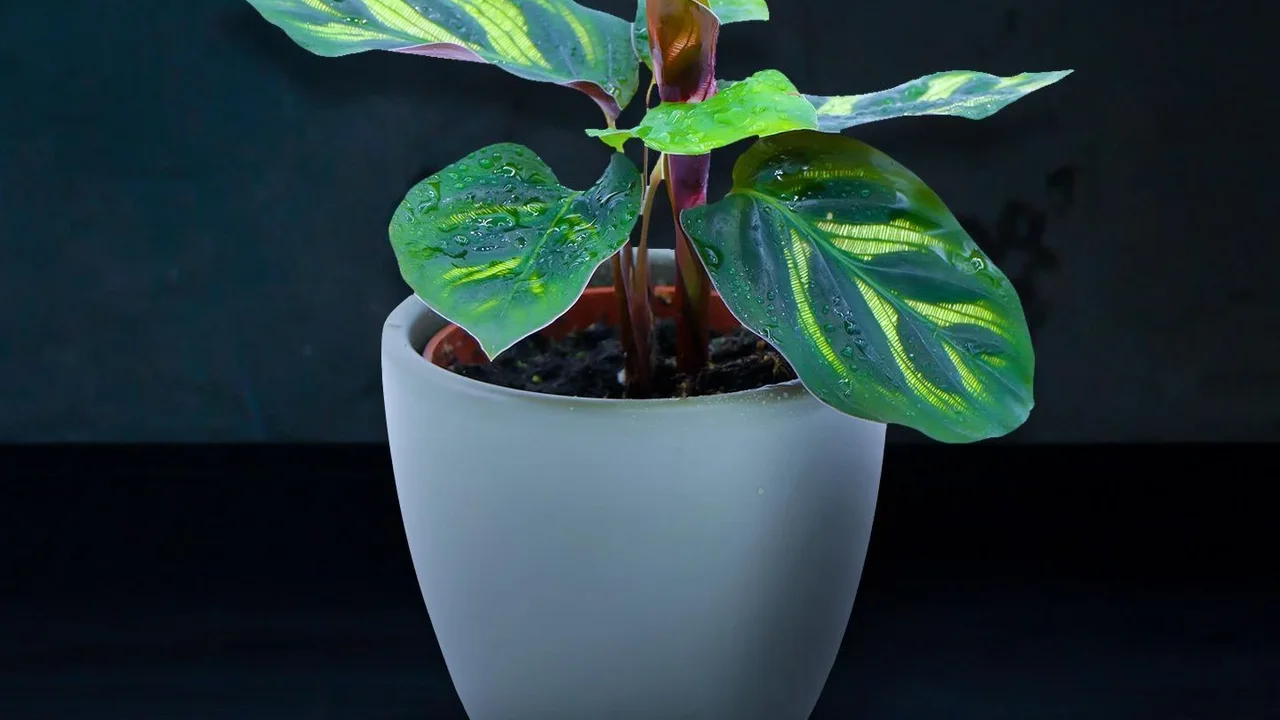
Overwatering is the number one killer of indoor plants during the monsoon. High humidity means soil dries out much more slowly, and roots can easily become waterlogged, leading to root rot. Don't stick to a rigid watering schedule. Instead, observe the soil.
The best method is the finger test: insert your finger about an inch into the soil. If it feels dry, it's time to water. If it's damp, wait a few more days. For many common houseplants, this might mean watering only once every 10 to 15 days during the peak of the rains. Yellowing leaves and a musty smell from the pot are classic signs of overwatering and potential root rot.
Solving the Low Light Problem
Weeks of overcast skies can take a toll on plants that need bright, indirect light. You might notice your plants looking pale, losing vibrant colours, or becoming 'leggy' as they stretch towards the nearest window. Observation is key. Notice how the light changes in your home during the day. You may need to move your plants to a new position to maximize the light they receive. Rotating them every few days also ensures all sides get some exposure. For darker homes or particularly light-hungry plants, a simple LED grow light can be a game-changer, providing the specific light spectrum plants need for photosynthesis. These are an affordable way to supplement natural light on especially gloomy days.
Fending Off Fungal Foes
High humidity and damp soil create a perfect breeding ground for fungal diseases like powdery mildew and grey mould. Look closely at leaves and stems for any unusual white, grey, or brown spots. Prevention starts with good air circulation. Avoid cramming plants together and, if possible, open a window for a while on drier days. Ensure your pots have good drainage holes and consider placing them on stands to allow air to flow underneath and prevent water from pooling. If you spot fungus, isolate the affected plant immediately. Remove infected leaves and consider a gentle spray of neem oil, a natural fungicide, every 7 to 10 days.
Monsoon Pest Patrol
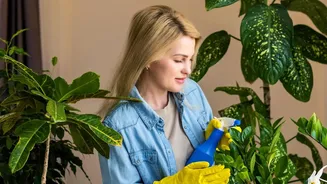
The damp conditions that fungi love are also attractive to pests. Fungus gnats, tiny flying insects that breed in moist topsoil, are a common nuisance during the monsoon. Mealybugs, which look like small cottony fluff, also thrive in humid environments. Weekly inspection is your best defence. Check under leaves and along stems, where pests often hide. To deter fungus gnats, allow the top layer of soil to dry out between waterings. If you find pests, often the first step is to physically remove them by wiping them off with a damp cloth or a cotton swab dipped in alcohol. For more persistent issues, insecticidal soap can be an effective, non-toxic treatment.
Rethinking Plant Nutrition
Plants generally grow more slowly during the low-light, high-humidity conditions of the monsoon. Because of this, their nutritional needs decrease. Fertilising too much can lead to a build-up of salts in the soil, which can burn the roots. Observe your plants for signs of active, new growth. If a plant isn't pushing out new leaves, it likely doesn't need to be fed. It's best to reduce or even pause your fertilising routine during the rainy season. When you do resume feeding as the weather brightens, do so with a diluted solution to avoid shocking the plant's system.