






Decoding the Rate Increase
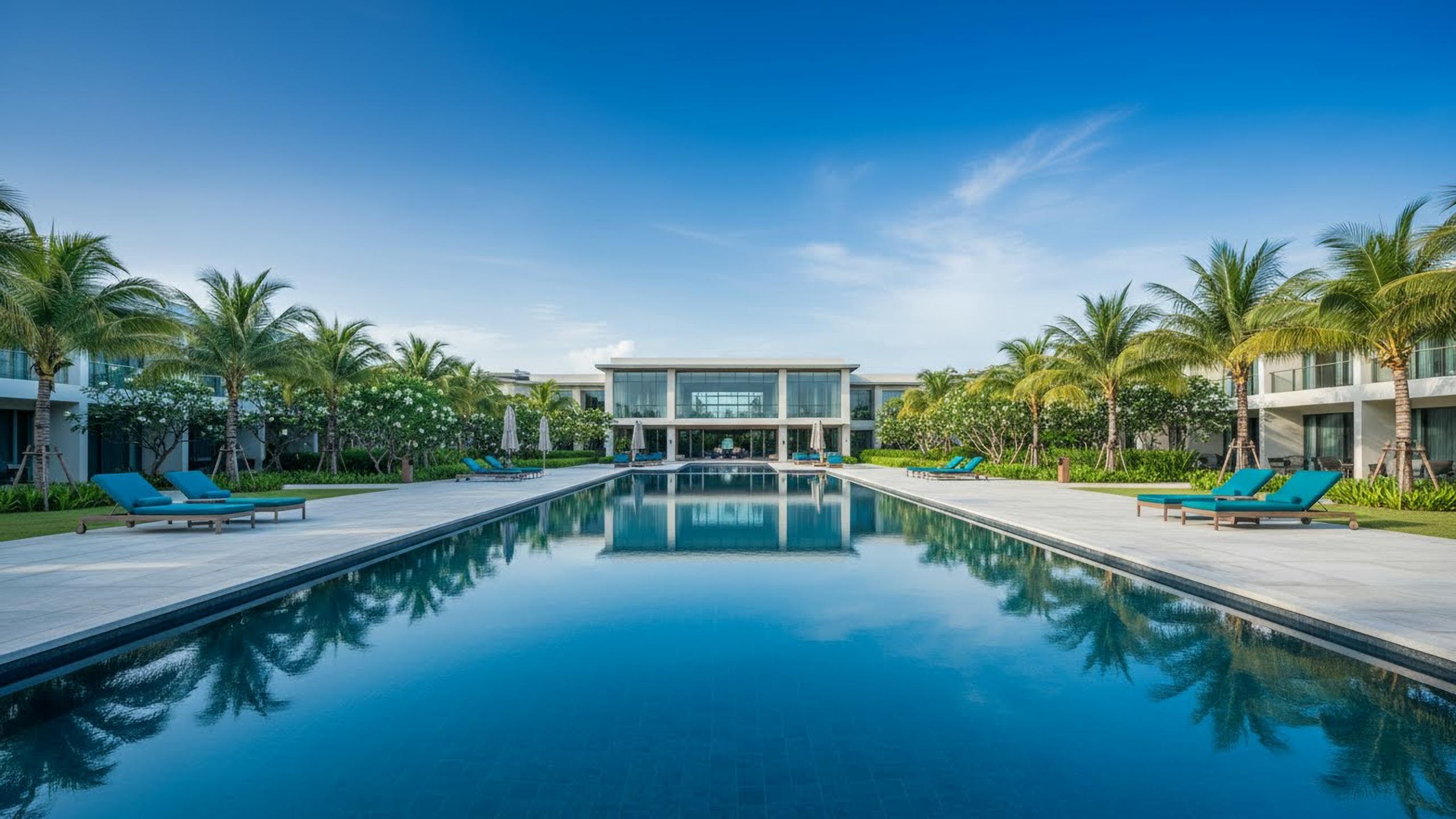
Hotels across key leisure destinations in India are reporting a significant 10-20% year-on-year increase in room rates for the upcoming Independence Day long weekend. Strong demand from both corporate professionals and regional tourists looking for a short
break is the primary driver behind this price surge. Destinations like Udaipur, Goa, Jim Corbett, and Mussoorie are seeing robust booking momentum, with some hotel chains reporting that a significant portion of their rooms are already reserved. This price hike is notable because it reflects sustained travel demand, continuing a trend of pricing power for the hospitality sector seen over the past couple of years. Hoteliers are capitalizing on this demand, which is expected to translate into higher revenue per available room (RevPAR), a key industry metric.
More Than Just Demand: The Role of GST
While seasonal demand explains the base rate increase, it doesn’t tell the whole story. The final price you pay is heavily influenced by the Goods and Services Tax (GST), and recent changes have altered the calculation. A GST reform that came into effect in September 2025 changed the tax structure for hotels. For rooms with a tariff between ₹1,001 and ₹7,500 per night, the GST rate was reduced from 12% to 5%. However, hotels can no longer claim Input Tax Credit (ITC) on this slab. Rooms with tariffs above ₹7,500 remain at 18% GST, with ITC available to hotels. Rooms priced under ₹1,000 are exempt from GST. This structure was intended to make mid-range travel more affordable and boost domestic tourism.
Why You Must Compare the Final Bill
The phrase 'taxes as applicable' has never been more important. With the current demand-driven rate hikes, many mid-range hotels could see their base tariffs push just below or above the ₹7,500 threshold, leading to a huge difference in the final price. For example, a room advertised at ₹7,400 will attract a 5% GST, making the total ₹7,770. However, a competitor’s room advertised at a seemingly higher ₹7,600 will attract 18% GST, bringing the final bill to ₹8,968. That’s a difference of over ₹1,100 per night, completely changing which option is truly cheaper. This means comparing headline rates is no longer enough. Travellers must now be vigilant and compare the total, all-inclusive price before making a booking decision.
A Smarter Way to Book Your Stay
Navigating this landscape requires a shift in booking strategy. First, always look for the 'total price' or 'price including taxes' option on online travel agencies (OTAs) and hotel websites. Don't commit to a booking until you've reached the final payment page where the complete breakdown of base rate and taxes is displayed. Second, consider booking directly with hotels. Sometimes they offer all-inclusive packages or special rates that might not be available elsewhere. Third, for business travel, the calculus is different. Companies can only claim ITC on hotel stays that are taxed at the 18% slab (rooms above ₹7,500). For stays in the 5% slab, no ITC can be claimed, impacting the overall cost of business travel.
The Outlook for Travellers
The combination of high demand for the mid-August weekend and the multi-layered GST structure creates a complex pricing environment for consumers. While the government’s move to lower GST on mid-range hotels was aimed at affordability, the current travel boom is testing its limits. The 10-20% rate increase is a blend of market dynamics and the underlying tax framework. For travellers, the key takeaway is that the sticker price is just a starting point. Being a savvy tourist in India now means paying as much attention to the tax column as to the room rate itself. Planning ahead and carefully comparing the final, all-in costs will be the best way to ensure your holiday budget remains intact.