


Batch cooking is a fantastic way to save time and eat well, but the process doesn't end when the stove is off. Proper cooling is one of the most critical, and often overlooked, steps for ensuring your delicious meals are also safe to eat.
The 'Temperature Danger Zone' Explained
The most important
concept in food safety is the 'temperature danger zone'. According to food safety authorities like the FSSAI, this is the range between 5°C and 60°C where bacteria can multiply rapidly. Some bacteria can even double their numbers in as little as 20 minutes within this range. Leaving freshly cooked food on the counter to cool down seems harmless, but it's an open invitation for microbial growth. The goal is to move your food through this zone as quickly as possible. Cooked food should not be left out for more than two hours before being refrigerated.
Master the Art of Quick Cooling
A large, deep pot of hot curry or dal can take hours to cool in the centre, even in a refrigerator. This extended time in the danger zone can render it unsafe. Instead of placing a large, hot container directly into the fridge—which can also raise the fridge's internal temperature and endanger other foods—use faster, safer methods. The most effective strategy is to divide and conquer. Separate large batches into smaller, shallow containers to increase the surface area and allow heat to escape more quickly. Metal containers will transfer heat faster than plastic ones. For soups and gravies, an ice bath is highly effective: place your smaller pot or container into a larger bowl or sink filled with ice and water, and stir the food periodically to cool it evenly.
Setting Your Refrigerator for Success
Your refrigerator is your primary tool for food safety, but only if it's at the correct temperature. For optimal food safety, your fridge should be set at or below 4°C. Your freezer should be at -18°C or below. Many Indian refrigerators have a dial with numbers rather than a temperature setting; these numbers usually indicate cooling power, not a specific degree. A higher number typically means stronger cooling, which is necessary during hot summer months. It's wise to invest in an inexpensive fridge thermometer to know the actual temperature inside. Also, avoid over-packing your fridge. Cold air needs to circulate to keep everything cool and safe.
Smart Storage for Your Prepped Meals
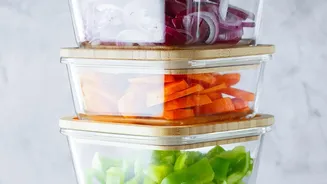
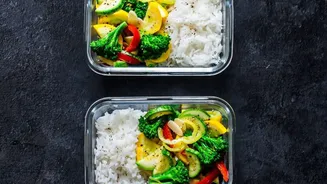
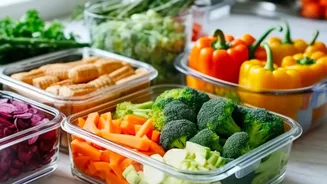
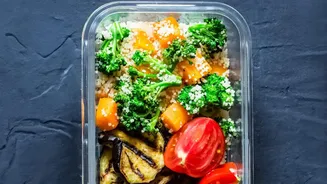
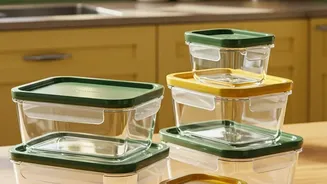
Once your food is properly cooled, storage becomes key. Use airtight containers to prevent cross-contamination and maintain freshness. Glass containers are an excellent choice as they don't absorb stains or odours, and can often go from the fridge to the microwave. When cooling, it's best to leave the lid slightly ajar or cover the container loosely to allow steam to escape. Once the food is fully chilled to 4°C, you can seal it tightly. Always label your containers with the contents and the date you cooked them. This simple habit eliminates guesswork and helps you use your oldest meals first.
How Long Can You Keep It?
A twice-weekly batch cooking schedule aligns perfectly with food safety guidelines. Most cooked leftovers, like stews, curries, and casseroles, can be safely stored in the refrigerator for 3 to 4 days. This means a Sunday cookup will last you until Wednesday, and a midweek session will carry you through the weekend. Items like cooked rice and grains should be consumed within a couple of days. By planning your cooking twice a week, you ensure that you are always eating food that is well within its safe storage window, minimising waste and risk.