







The Relentless Need for Speed
In India's bustling urban centres, time is the ultimate luxury. Long work hours, gruelling commutes, and the rise of dual-income households have squeezed the clock on domestic life. This has created a fertile ground for a food ecosystem built on one promise:
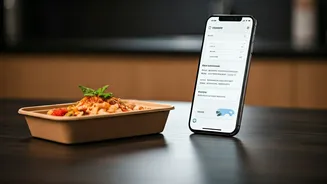
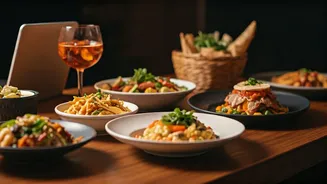
speed. The decision to order in is no longer reserved for special occasions; it has become a daily routine for many. A 2025 survey highlighted that convenience and time-saving are the top two reasons Indians use food delivery apps. This demand for instant gratification is driven by a generation that values efficiency and has grown up with digital solutions for every need. The result is a fundamental change where food is often seen less as a shared cultural experience and more as fuel to get through a busy day.
The Rise of the Ghost Kitchen
Powering this revolution are cloud kitchens—also known as ghost or virtual kitchens—production facilities built exclusively for delivery. With no need for dine-in space or prime locations, they offer a low-cost entry point for culinary entrepreneurs. The Indian cloud kitchen market, valued at over USD 1 billion in 2024, is projected to more than double by 2030. This model allows a single kitchen to host multiple virtual brands, offering everything from biryani to burgers and salads, all operating under the umbrellas of food delivery giants like Zomato and Swiggy. These platforms are no longer just intermediaries; they are shaping the very fabric of the food industry, influencing what restaurants cook and how consumers discover their next meal.
What's on the 10-Minute Menu?
The quick commerce boom has pushed the boundaries even further, with platforms like Blinkit and Zepto promising deliveries in 10 to 15 minutes. This has spurred a surge in demand for ready-to-eat (RTE) and ready-to-cook items, from frozen snacks to pre-mixed curries. These items are no longer just emergency solutions but have become primary ingredients in the modern urban kitchen. While convenience is king, there is also a parallel trend of conscious eating. Consumers, particularly Millennials and Gen Z, are increasingly seeking out healthier options, driving demand for protein-rich bowls, salads, and meals with 'clean labels'. This has led to a fascinating duality on delivery apps, where indulgent fast food coexists with a growing array of wellness-focused brands.
The Hidden Costs of Convenience
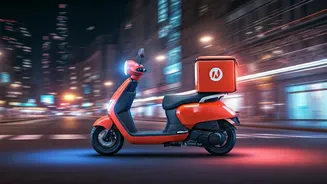
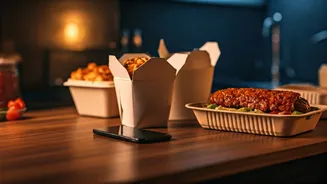
This unprecedented convenience, however, is not without its costs. Health experts voice concerns over the nutritional value of many quick meals, which are often high in sodium, preservatives, and unhealthy fats. Studies have shown correlations between frequent use of food delivery apps and higher caloric intake, potentially contributing to lifestyle diseases. Beyond personal health, there are environmental consequences. The explosion in food delivery has led to a mountain of single-use plastic packaging, contributing to pollution. Furthermore, the pressure of ultra-fast delivery timelines raises questions about the safety and well-being of delivery workers, who navigate city traffic under immense stress to meet the 10-minute promise.
A New Food Culture Emerges
The shift towards quick meals is redrawing the social and cultural contours of urban life. The tradition of the family cooking and eating together is being replaced by individualised, screen-timed meals. For younger generations, eating is becoming more flexible and mood-driven, a shift from routine to choice. This transformation has turned the food services industry into one of India's fastest-growing sectors. While a deep emotional connection to 'ghar ka khana' (home-cooked food) remains, the definition of a meal itself is evolving. Food has become a statement of identity, a reflection of a fast-paced lifestyle where convenience is not just a feature, but the foundation of a new urban food culture.