






The Price of a Little Extra Space
On India's busy domestic routes, the jump from a standard economy ticket to a premium economy or business class seat can be significant. A fare difference of ₹2,000 to ₹5,000 or more is common on popular sectors like Mumbai-Delhi or Bangalore-Chennai.
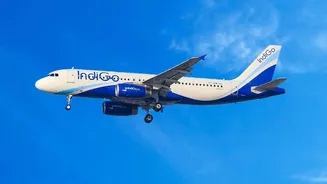
On some routes, this can mean paying up to 50% more for the upgraded experience. While full-service carriers like Air India and Vistara are the main players in this space, even low-cost carriers have introduced tiered pricing for front-row or extra-legroom seats. This pricing strategy forces travellers to calculate a very personal equation: what is the monetary value of a few extra inches of personal space for a couple of hours?
Decoding the Tangible Benefits
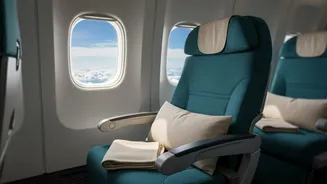
So, what does the extra money get you? In terms of the seat itself, the differences can be modest on domestic aircraft. Vistara's Premium Economy, for instance, is in the same 3-3 configuration as economy but offers a better seat pitch of around 33 inches, compared to 30 inches in the back. Air India's domestic Business Class on its narrow-body A320 family aircraft features a more distinct 2-2 layout, with seats that are 21 inches wide and have a 40-inch pitch. Beyond the seat, the premium package typically includes an enhanced meal, priority check-in, priority boarding, and a higher baggage allowance—often 35-40 kg for business class. These perks certainly streamline the airport experience, but the in-air benefits are what you'll live with for the duration of the flight.
The Crucial Factor: Flight Duration
The core of the debate rests on time. For a long-haul international flight of over eight hours, the value of a wider seat, greater recline, and more personal space is undeniable. But for a 90-minute hop from Delhi to Lucknow or a two-hour flight from Mumbai to Bangalore, the calculus changes dramatically. After factoring in the time taken for take-off and landing procedures, the actual cruising time where you can fully appreciate the enhanced comfort might be just over an hour. In that limited window, the slightly better meal and the extra few inches of legroom may feel less like a game-changing luxury and more like a marginal improvement that you've paid a hefty premium for.
Beyond the Seat: Ground Services and Status
A fair assessment must consider the entire journey, not just the time spent in the air. For many frequent business travellers, the real value of a premium ticket lies on the ground. Dedicated check-in counters, fast-track security (where available), priority boarding, and lounge access can save significant time and reduce stress at crowded airports. Your baggage also arrives first on the carousel. These benefits are consistent regardless of flight duration. If you are on a tight schedule, connecting between meetings in different cities, these time-savers might be worth the entire cost of the upgrade. For the leisure traveller, however, whose schedule is more relaxed, the value of skipping queues may not be as compelling.
When the Upgrade Does Make Sense
Despite the questionable value on short hops, there are situations where upgrading is a smart move. If the fare difference is unusually small—sometimes as low as ₹1,500-₹2,000—it can be an easy decision to opt for more comfort. For passengers with special travel needs or those who are taller and require more legroom, the upgrade is less of a luxury and more of a necessity. Another key scenario is connecting to or from a long-haul international flight; starting the journey in a more comfortable domestic seat can set a better tone for the entire trip. Finally, if you're using frequent flyer miles for an upgrade, it can be an excellent way to redeem them for tangible benefits without a direct cash outlay.