




The Air Quality Takes a Plunge
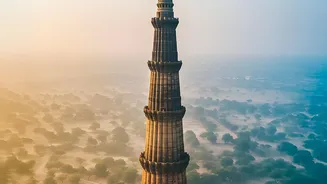
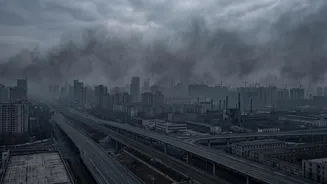
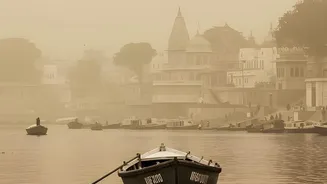
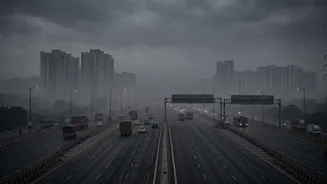
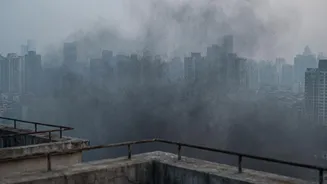
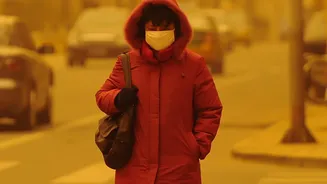
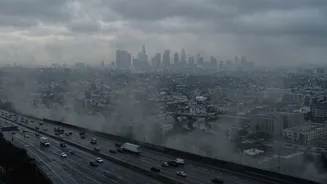
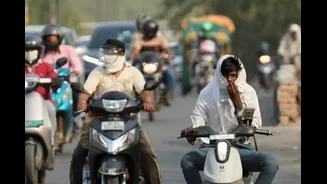
Delhi recorded its first 'poor' air quality day of the season on October 21, with the Air Quality Index (AQI) jumping to 245, the highest in 100 days. This sharp deterioration from previous 'moderate' levels has continued, with the AQI remaining in the 'poor' category
and even tipping into 'very poor' in hotspots like Jahangirpuri and Chandni Chowk. Forecasts from the Air Quality Early Warning System suggest this is not a fleeting episode, with 'poor' air quality expected to persist over the coming days. In response, authorities have invoked Stage I of the Graded Response Action Plan (GRAP) across the NCR, a series of anti-pollution measures to prevent further decline.
A Familiar Cocktail of Causes
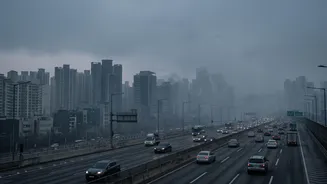
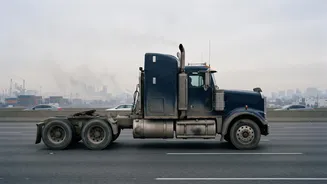
The return of smog is not a surprise but a result of a predictable, toxic mix of factors. The post-monsoon period sees a combination of falling temperatures and lower wind speeds, which traps pollutants close to the ground. This is compounded by a significant increase in emissions from various sources. The transport sector remains a major contributor to Delhi's pollution. Effigy burning during recent Dussehra celebrations also coincided with the spike in pollution. Furthermore, this period marks the beginning of the crop-burning season in neighbouring states like Punjab and Haryana, where farmers clear their fields by setting fire to paddy stubble. The smoke from these fires travels to the NCR, adding a heavy burden to the already polluted air.
Why Your Eyes Are Burning
Your eyes are on the frontline, directly exposed to this polluted air with no filter. The smog is a chemical soup containing fine particulate matter (PM2.5), dust, and harmful gases like nitrogen dioxide and carbon monoxide. These pollutants disrupt the protective tear film on the surface of your eyes. This destabilisation causes the moisture in your eyes to evaporate faster, leading to dryness, while the pollutants themselves dissolve into your tear film, causing direct irritation and inflammation. This is why so many people experience a burning sensation, redness, itchiness, constant watering, and a gritty feeling, as if sand is in their eyes. In peak pollution weeks, eye specialists in Delhi often report a surge of up to 40-60% in patients with these complaints.
Expert Tips for Immediate Relief
While systemic solutions are necessary, personal protection is crucial for immediate relief. Medical experts advise a multi-layered approach to safeguard your eyes. Start by limiting outdoor exposure, especially during early morning and evening hours when pollution levels are often at their highest. When you do step out, wear protective, wraparound sunglasses to create a physical barrier against pollutants. On high-AQI days, it is wise to switch from contact lenses to glasses, as contacts can trap pollutants against the eye's surface. To combat dryness, use preservative-free lubricating eye drops, often called artificial tears, to help wash out irritants and restore moisture. A simple but effective habit is to frequently rinse your eyes with clean, cold water. Crucially, avoid rubbing your eyes, as this can worsen the irritation and potentially cause more damage.
Beyond Personal Care
At home, using an air purifier can significantly improve indoor air quality. Staying well-hydrated by drinking plenty of water also helps the body, including the eyes, function better. While these measures help manage symptoms, it's important to recognise when professional medical help is needed. If you experience persistent pain, discharge from the eyes, severe swelling, or a sudden change in vision, you should consult an eye specialist immediately, as these could be signs of a more serious infection or allergic reaction. The implementation of GRAP Stage I, which includes measures like enhancing public transport by adding extra Metro train trips, aims to curb pollution at its source, but the effects will take time to materialise.