






Your Body’s Natural Air Conditioner
Your body is brilliant at regulating its temperature. When you start working out and your internal temperature rises, your brain sends a signal to your sweat glands. They release sweat onto your skin, and as this sweat evaporates, it takes heat with it,
effectively cooling you down. This process works wonderfully in dry conditions, allowing you to maintain a stable core temperature even during intense activity. Think of it as a highly efficient, built-in air conditioning system designed to keep you from overheating.
How Humidity Throws a Wrench in the Works
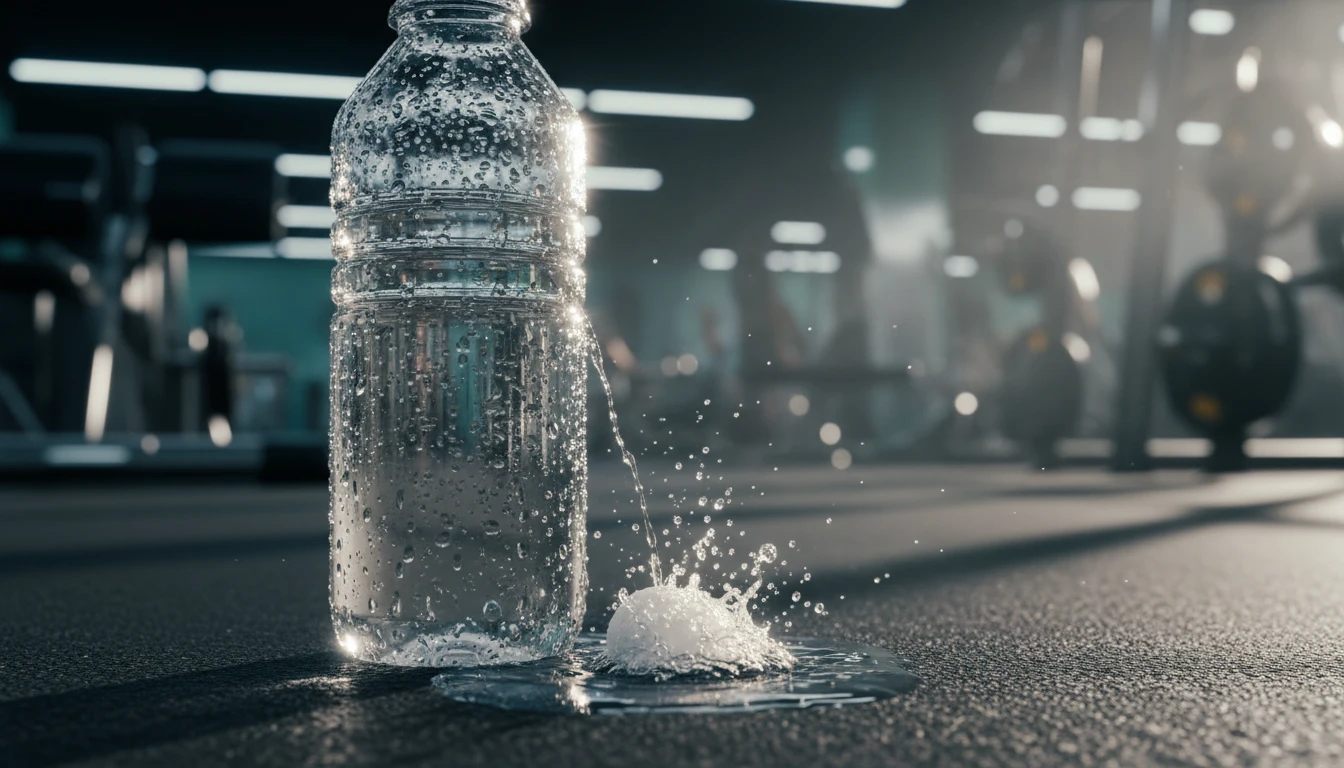
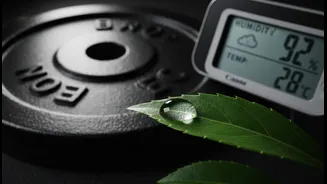
The problem during the monsoon is the high humidity. The air is already saturated with water vapour, which means there's very little room for the sweat on your skin to evaporate. Because the sweat can't turn into vapour and carry heat away, it just sits on your skin, leaving you feeling hot, sticky, and uncomfortable. Your body’s primary cooling mechanism is rendered almost useless, forcing it to work much harder to prevent overheating. This is why the 'feels like' temperature is often much higher than the actual temperature on humid days.
The Vicious Cycle of Inefficient Sweating
When your body senses that it isn't cooling down despite sweating, it doubles down on its efforts. Your system responds by producing even more sweat in a desperate attempt to lower your core temperature. This leads to a vicious cycle: you sweat profusely, but since the sweat isn't evaporating, you don't get the cooling benefit. All this extra sweating causes a massive loss of body fluid. And along with that water, you're also losing critical minerals known as electrolytes.
What Are Electrolytes and Why Do They Matter?
Electrolytes are essential minerals like sodium, potassium, calcium, and magnesium that carry an electric charge. They are vital for numerous bodily functions, including regulating fluid balance, enabling nerve signals, and controlling muscle contractions. When you exercise, electrolytes help your muscles fire correctly and keep your heart beating at a regular rhythm. Losing them too quickly through excessive sweating without replacement can disrupt these critical processes.
Signs of Electrolyte Depletion to Watch For
An electrolyte imbalance can manifest in several ways during or after a workout. The most common sign is muscle cramping, which occurs when low levels of sodium and potassium cause muscle signals to misfire. You might also experience unusual fatigue, dizziness, lightheadedness, nausea, or a persistent headache. These are all signals from your body that its fluid and mineral balance is off, and it’s struggling to function optimally.
Smarter Hydration for Monsoon Workouts
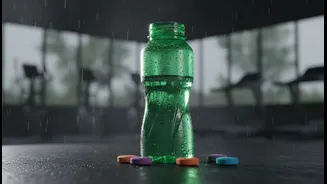
Training effectively during the monsoon requires a more strategic approach to hydration. Simply drinking large amounts of plain water isn't enough, and can sometimes worsen the imbalance by further diluting your body's sodium levels. For workouts lasting over an hour in high humidity, it's crucial to replenish lost electrolytes. Consider using an electrolyte drink, ORS, or even natural sources like coconut water, which is rich in potassium. It's also wise to pre-hydrate before your session and sip fluids consistently throughout, rather than waiting until you feel thirsty. Pay attention to your body; if you feel unusually tired or dizzy, it might be best to reduce the intensity or duration of your workout.