




Beyond the Traditional Wardrobe
For generations, handloom textiles were synonymous with occasion wear—beautiful, but often kept at a distance from daily life. That is no longer the case. The current revival is not just about appreciating the craft but fundamentally changing how it's
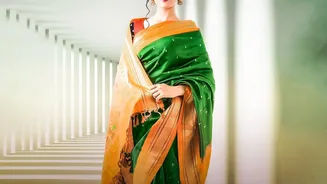
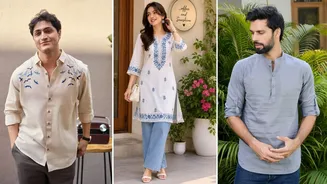
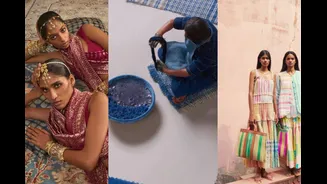
worn. Designers are transforming fabrics like Banarasi silk, Jamdani, and Khadi into structured blazers, sharp co-ord sets, tailored trousers, and midi dresses. This evolution moves heritage weaves from the festive trunk to the everyday closet, blending centuries-old skill with a contemporary design language that prioritizes versatility and wearability. The result is a wardrobe that feels both deeply rooted and effortlessly modern.
The Weaves Leading the Charge
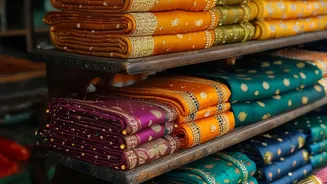
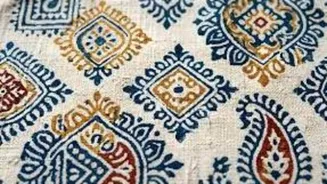
At the heart of this movement are the textiles themselves, each with a unique story. Banarasi silk, once seen mainly in bridal trousseaus, is now being styled with crisp shirts and blazers for a look that is more chic than ceremonial. Khadi, the fabric of India's freedom movement, is being used for minimalist, structural pieces that appeal to a global audience. Similarly, the delicate weaves of Chanderi from Madhya Pradesh are finding form in light, airy separates, while the graphic beauty of Ikat from Telangana and Odisha is appearing in everything from bold dresses to stylish jumpsuits. Designers are deliberately choosing these fabrics not just for their beauty, but for the history and human touch woven into every thread.
Designers Weaving a New Narrative
A new guard of Indian designers is championing this textile-first philosophy. Labels like Ekaya Banaras are making Banarasi silk relevant for a new generation with playful co-ords and sculptural jackets, proving the weave can be fashion-forward. Others, such as Akaaro by Gaurav Jai Gupta, take an architectural approach, using metallic yarns in handwoven fabrics to create a firmly contemporary look. Brands like 11.11/eleven eleven focus on re-engineering textiles like indigo-dyed Khadi for modern tailoring. These creators are not altering the ancient crafts; instead, they are changing the context and conversation around them, making handloom the hero of their collections.
A Generational Shift in Values
This revival is resonating deeply with Millennial and Gen Z consumers, who are increasingly turning away from mass-produced fast fashion. For these generations, handloom offers a compelling combination of authenticity, sustainability, and personal expression. There's a growing desire for clothing with a story, and handwoven textiles deliver that narrative. The production process itself is inherently sustainable, using minimal electricity and water, often relying on natural fibres and plant-based dyes. This eco-conscious aspect, coupled with a renewed interest in heritage, has made handloom a powerful choice for younger consumers seeking to make more intentional and meaningful fashion choices.
A Modern Identity on the Global Stage
The trend of pairing heritage textiles with modern cuts is more than a domestic phenomenon; it's India's contemporary design language making its mark globally. International labels are increasingly showcasing Indian weaves like Ikat and Jamdani in their collections, styled as coats, gowns, and structured separates. This reinvention places Indian handloom in the same conversation as Italian silks and Japanese denim. By demonstrating that handloom can meet global expectations of cut and finish without losing its handmade soul, Indian designers are presenting a new vision of luxury—one that is rooted in craft, culture, and conscious consumption.