

The Health-Conscious Choice
One of the biggest drivers behind this shift is a growing awareness of health. For years, plastic has been the go-to for convenient, cheap kitchenware. However, concerns are mounting over chemicals like BPA and phthalates, which can leach from plastic containers
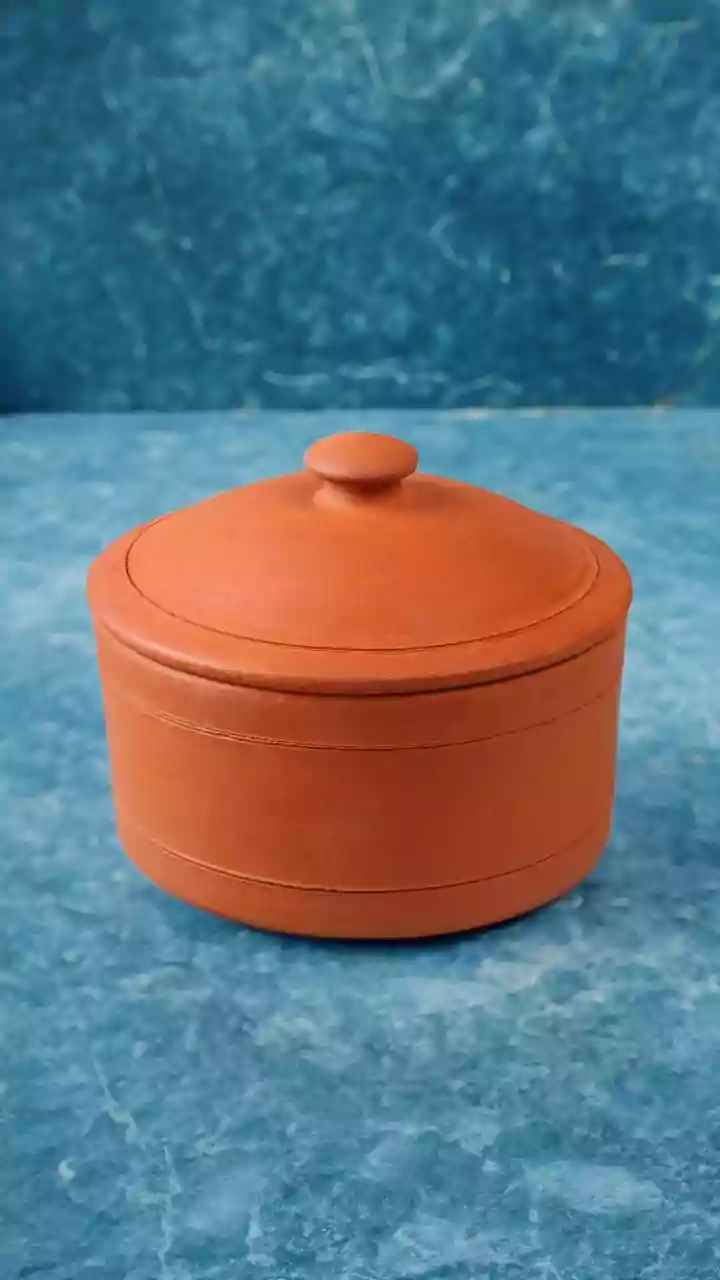
into food, especially when heated. Studies have linked these chemicals to a range of health issues, from hormonal disruption to other serious conditions. Furthermore, the issue of microplastics—tiny plastic particles that break off and can be ingested—has become a major concern, with research suggesting potential inflammation and organ damage. In contrast, unglazed earthen pots are seen as a pure, non-toxic alternative. Made from natural clay, they don't release harmful substances, making them a safer choice for cooking and storing food.
Sustainability as a Statement
For a generation deeply concerned about the environment, choosing clay over plastic is a powerful statement. The problem of plastic pollution is well-documented, with single-use items clogging landfills and oceans. Young consumers are actively seeking sustainable alternatives in all aspects of their lives, and the kitchen is no exception. Earthenware, being made from natural, biodegradable materials, fits this ethos perfectly. Unlike plastic, which can take centuries to decompose, a broken clay pot simply returns to the earth. This move towards eco-friendly materials is a key trend, reflecting a desire to reduce one's carbon footprint and promote a healthier planet.
The Allure of Aesthetics
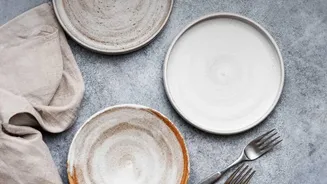
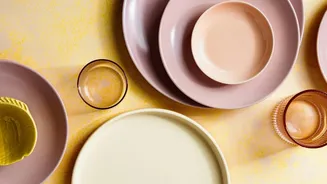
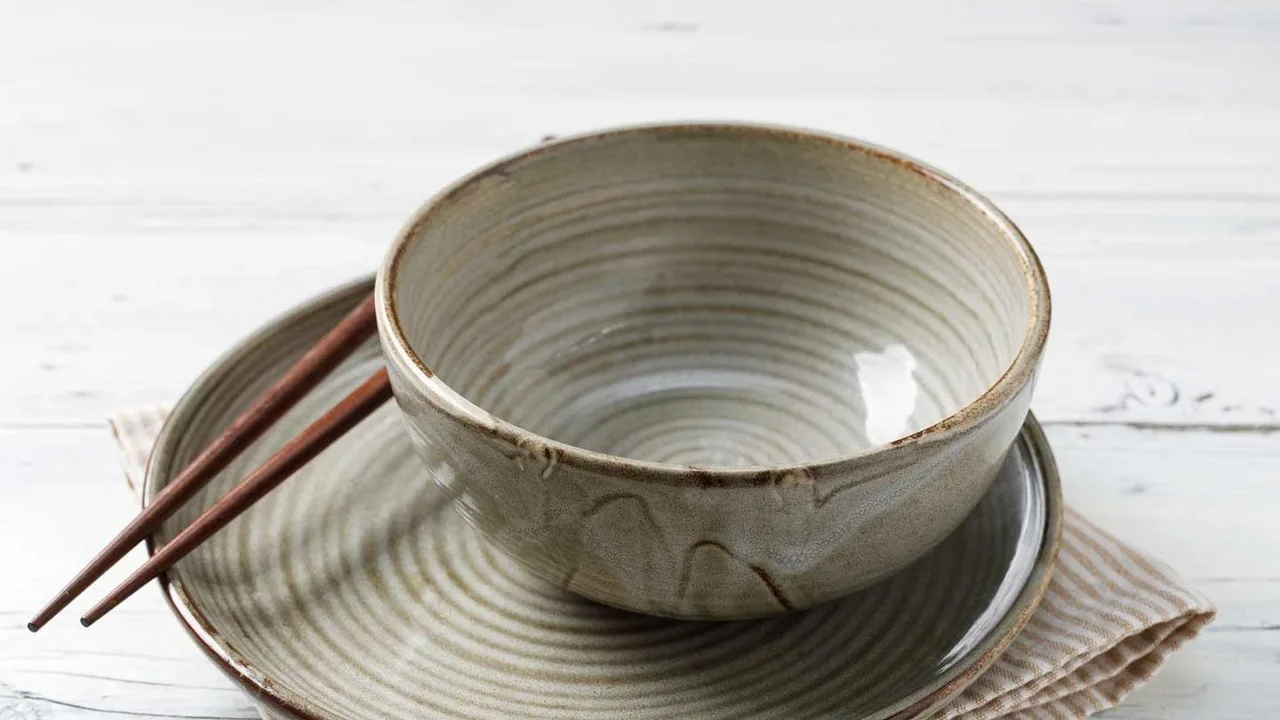
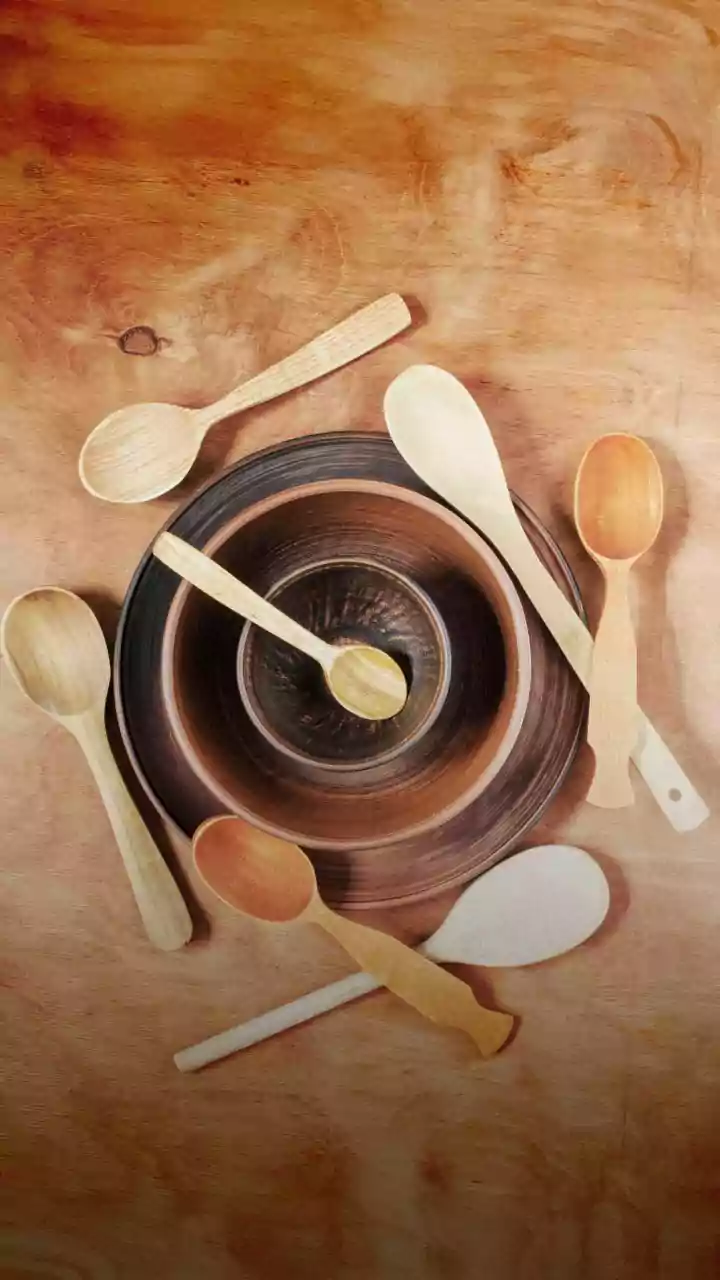
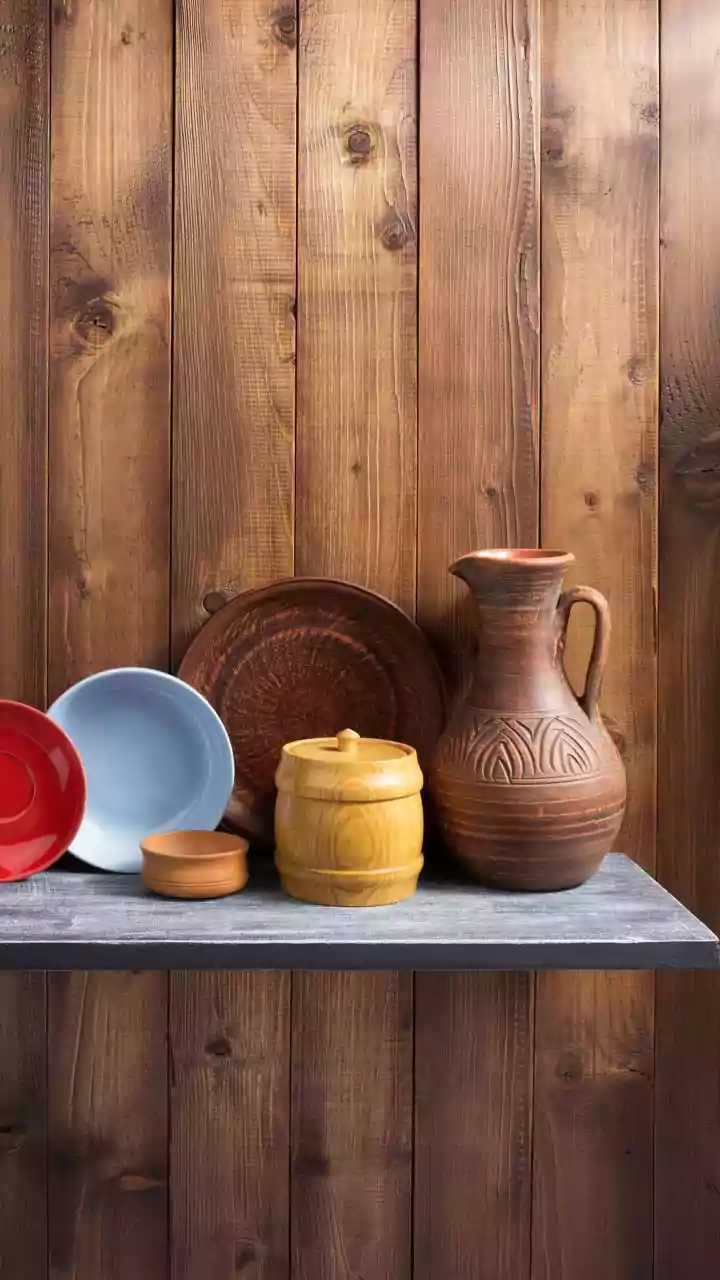
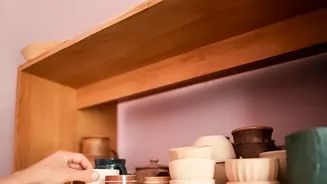
Beyond health and environmental benefits, there is an undeniable visual appeal to earthen tableware. In an age dominated by social media, aesthetics matter. The warm, earthy tones and rustic textures of terracotta and clay complement popular interior design trends like minimalism, bohemian, and rustic decor. Open shelving, a common feature in modern kitchens, provides the perfect stage to display beautiful, handcrafted pottery. These items are more than just functional; they are decorative pieces that add character, warmth, and a sense of authenticity to a home. Unlike mass-produced plastic, each handmade clay piece has a unique quality, telling a story of craftsmanship that resonates with those seeking individuality.
A Connection to Culture and Tradition
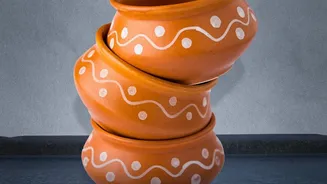
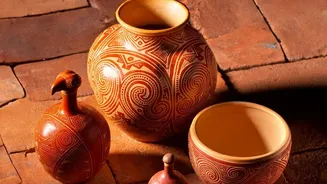
The revival of clay pottery is also a nod to cultural roots. For centuries, mitti ke bartan (earthen vessels) were a staple in Indian households for everything from cooking to storing water. Using items like a clay matka for cool water or serving tea in a kulhad evokes a sense of nostalgia and connection to a simpler, more grounded way of life. In today's fast-paced, digital world, many young people are embracing traditions as a way to find authenticity and meaning. This trend is not just about rejecting plastic; it's about embracing a heritage that feels both timeless and relevant. Cooking in clay pots is also said to enhance the flavour of food, with the porous nature of clay allowing for slow, even cooking that retains nutrients.
Practicality in the Modern Kitchen
While steeped in tradition, earthen tableware also offers practical benefits for contemporary living. Clay is excellent at heat retention, keeping food and drinks warm for longer periods. The porous nature of pots used for storage, like those for water, provides natural cooling through evaporation. And while they may seem delicate, high-quality ceramic and stoneware pieces are surprisingly durable and resistant to chipping and scratches, making them suitable for everyday use. Many modern ceramic items are also designed to be dishwasher-safe, blending ancient materials with modern convenience. This combination of beauty, functionality, and cultural significance makes it a compelling choice for the modern, conscious consumer.