



What Exactly Is Fibre-Forward Eating?
Fibre-forward eating isn’t a diet; it's a mindset. It means prioritising dietary fibre—the indigestible part of plants that is crucial for our health. [5, 7] Instead of focusing on what to remove from your plate, it encourages adding more fibre-rich foods.
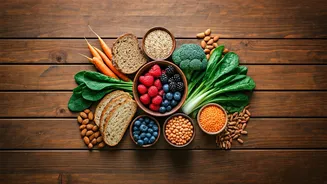
Dietary fibre comes in two types: soluble, which dissolves in water to form a gel and helps manage blood sugar and cholesterol, and insoluble, which adds bulk to stool and aids regular bowel movements. [4, 5] Most plant foods contain both. [5] The goal is simply to make foods like whole grains, legumes, vegetables, fruits, nuts, and seeds the stars of your meals, a practice that traditional Indian diets have long embraced. [6, 7]
The Health Case for More Fibre
A higher intake of dietary fibre is linked to numerous health benefits that are particularly relevant in India today. It plays a significant role in managing weight, as fibre-rich foods are more filling, keeping you satisfied for longer and reducing the likelihood of overeating. [5, 16] For those managing or at risk of type 2 diabetes, fibre is a powerful ally. It slows the absorption of sugar, helping to prevent sharp spikes in blood glucose levels. [8, 9, 19] Furthermore, a fibre-rich diet supports heart health by helping to lower 'bad' LDL cholesterol levels and blood pressure. [5, 12, 18] It also acts like a natural scrub brush for your digestive system, promoting a healthy gut and reducing the risk of constipation. [9, 11]
Already in Your Kitchen: India's Fibre Powerhouses
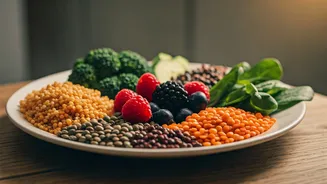
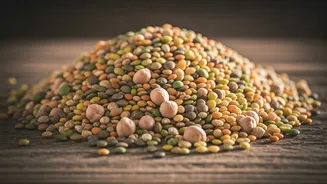
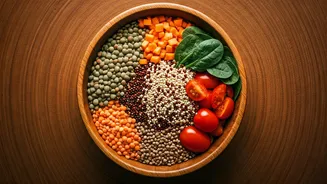
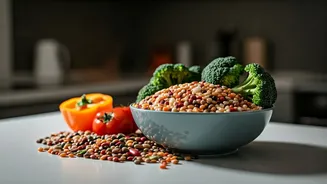
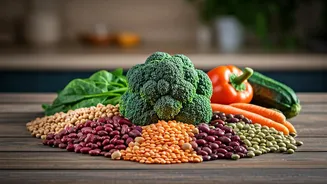
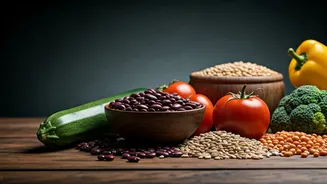
The practicality of a fibre-forward approach in India lies in the fact that our kitchens are already stocked with the necessary ingredients. Traditional Indian cuisine is built on a foundation of fibre-rich foods. [6] Lentils and legumes like chana (chickpeas), rajma (kidney beans), and various dals (moong, masoor) are staples in every region. [2, 3] Whole grains such as whole wheat (atta), bajra (pearl millet), jowar (sorghum), and ragi (finger millet) have been used for generations to make rotis and bhakris. [6, 7] Our abundance of vegetables—from leafy greens like spinach and methi to staples like bhindi (okra) and lauki (bottle gourd)—are all excellent sources. [2, 4] Fruits like guava, papaya, and apples (with the skin on) are also packed with fibre. [2, 7]
Simple Swaps to Boost Your Daily Fibre
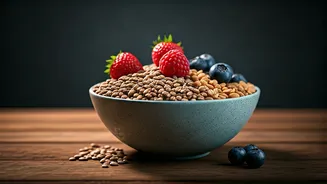
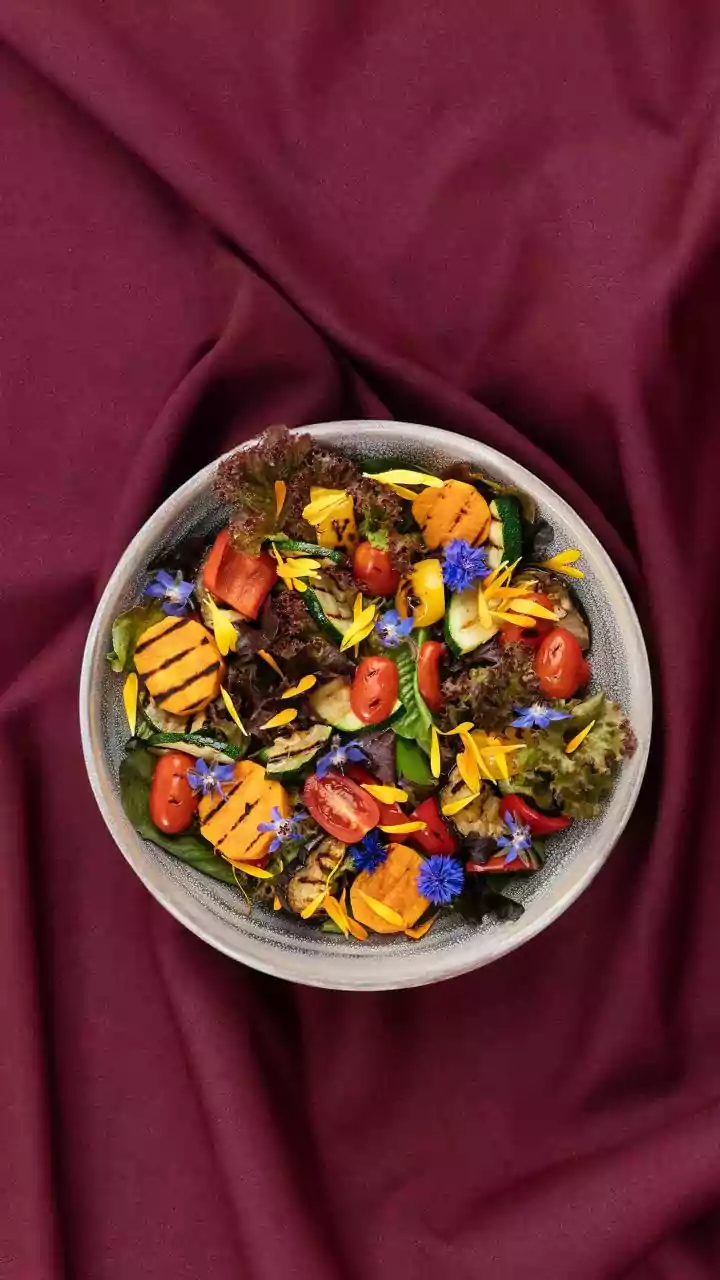
Increasing your fibre intake doesn't require a radical diet overhaul. It can be achieved through small, sustainable changes to your daily meals. Start by swapping refined grains for their whole counterparts: opt for brown rice instead of white, and try rotis made from jowar, bajra, or ragi flour mixed with your regular atta. [10, 15] When preparing dal, add finely chopped vegetables like carrots or spinach to boost its fibre content. [15] For snacks, reach for a whole fruit, a handful of nuts, or some roasted chana instead of processed biscuits or chips. [14] Including a simple salad with your lunch or dinner is another easy way to get more raw vegetables onto your plate. Remember to increase your water intake as you increase fibre to help it move smoothly through your digestive system. [10]