
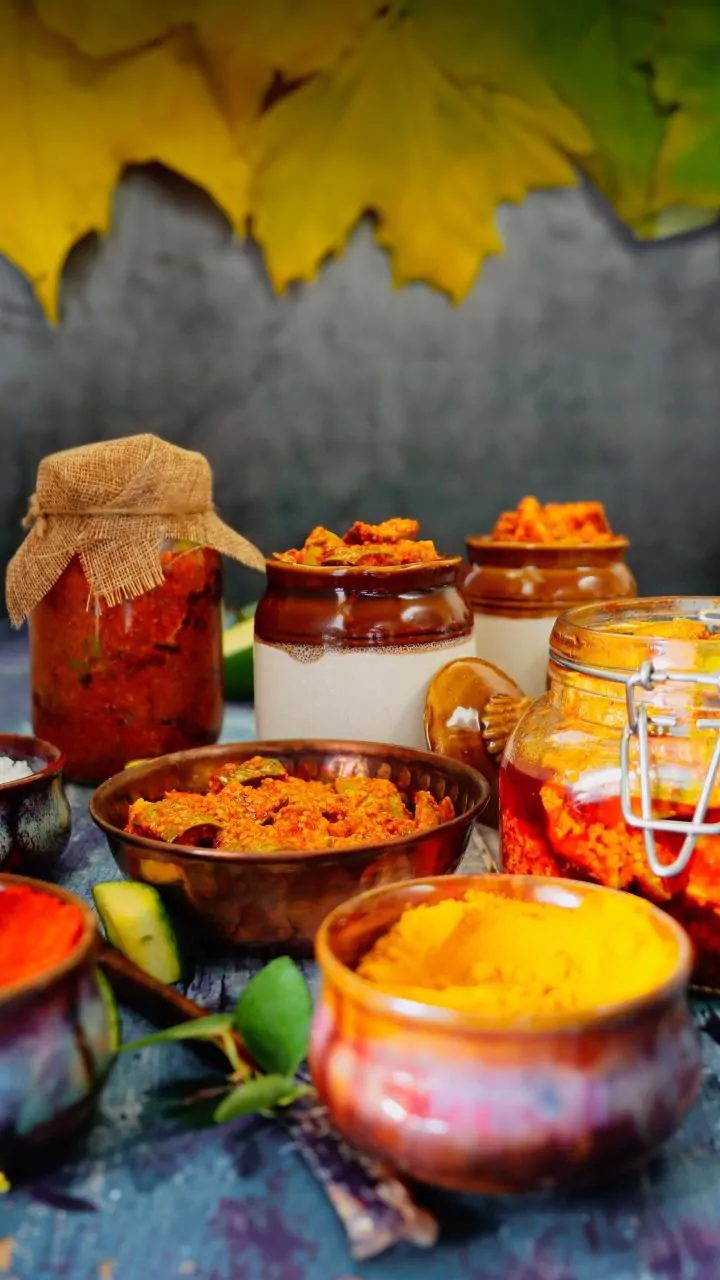



A Universe in a Jar
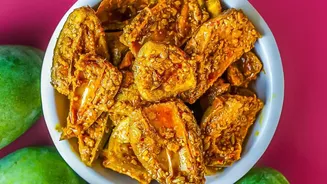
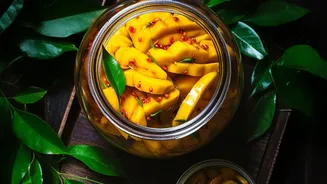
To speak of 'Indian pickle' is to speak of a vast culinary universe. The variety is staggering, shaped by climate, local produce, and centuries of tradition. While North India is famous for its pungent, mustard oil-based mango and chili pickles, the West,
particularly Gujarat, offers a sweeter profile with its beloved 'chhundo', a sweet and sour grated mango pickle. Head south, and you'll find the fiery 'Avakaya' of Andhra Pradesh, defined by mustard powder, and the distinct tang of 'Gongura' (sorrel leaf) pickle. In the East and Northeast, fermented bamboo shoot and fish pickles showcase a completely different preservation tradition. This diversity means there is a pickle for every palate, from mild and sweet to intensely spicy and sour.
The Economics of Ingenuity
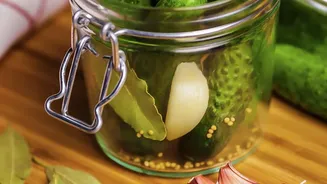
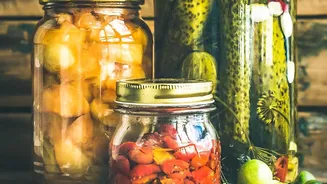
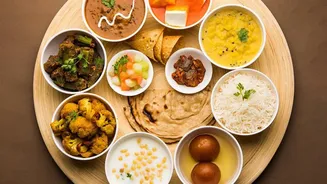
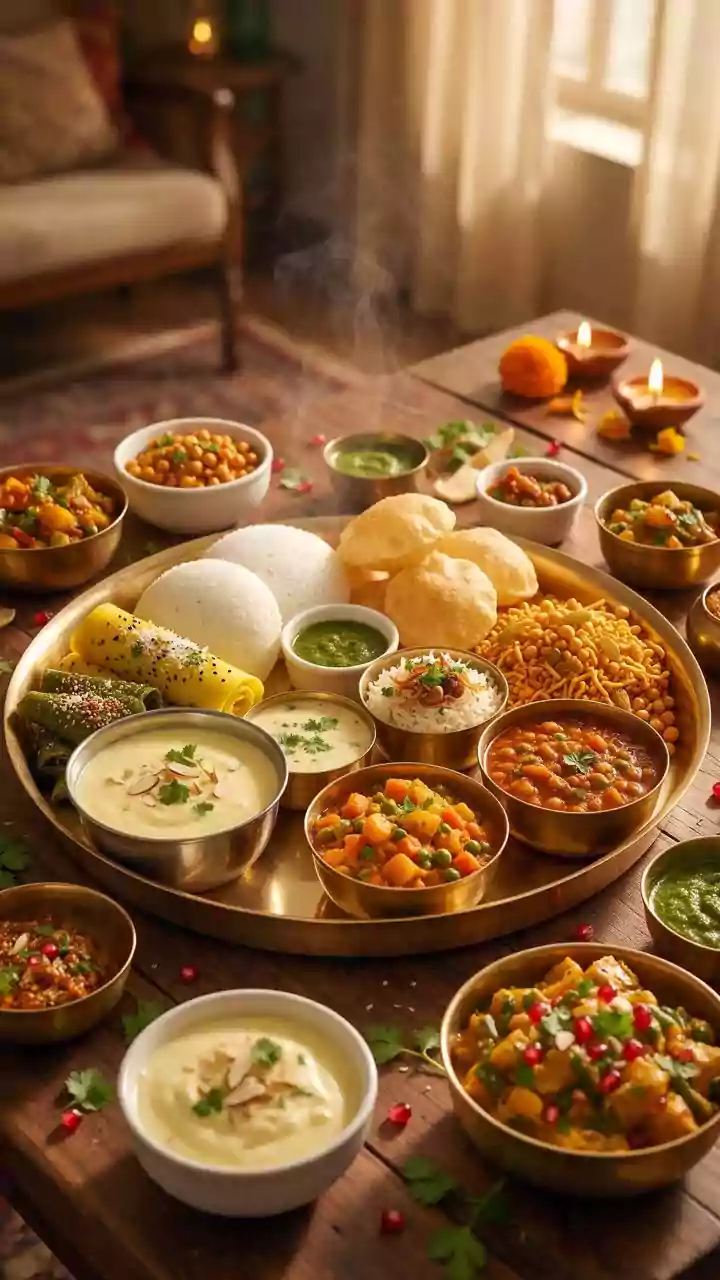
One of the most compelling attributes of achar is its affordability. Pickling was born out of a need to preserve seasonal abundance long before refrigeration. During peak season, when fruits and vegetables like raw mangoes, lemons, amla (Indian gooseberry), and carrots are plentiful and inexpensive, they are preserved in salt, oil, and spices. This age-old practice turns a potential surplus into a flavour-packed condiment that lasts for months, sometimes even years. It's a prime example of culinary thrift, ensuring that no part of the harvest goes to waste and providing a low-cost flavour solution that can elevate simple, everyday meals like dal-rice or khichdi.
More Than Just a Condiment
Achar's role on the plate goes far beyond just adding a kick of flavour. In traditional Indian food wisdom, it's a functional food. The sharp, tangy, and spicy notes are meant to awaken the palate, making each bite of the main meal feel fresh and interesting. Furthermore, many traditionally prepared pickles are fermented, not just preserved in vinegar. This natural fermentation process encourages the growth of beneficial probiotic bacteria. These probiotics are known to support gut health and aid digestion. Spices commonly used in pickles, such as turmeric, fenugreek, and mustard seeds, are also valued for their digestive and antioxidant properties.
A Living Tradition
The art of pickle-making remains a vibrant part of Indian culture. For generations, recipes have been passed down, with each family often having its own secret blend of spices and techniques. It's a practice steeped in nostalgia and community, often made in large batches during summer holidays. While these homemade traditions continue, there is also a booming market for commercially produced pickles. The Indian pickle market is valued at thousands of crores and continues to grow, serving both a domestic and a large export market hungry for authentic tastes. This ensures that even those without the time or family recipe to make their own can still access the diverse flavours of regional Indian pickles.