
Winter transforms the world, turning familiar landscapes into scenes of stark and silent beauty. Nowhere is this magic more apparent than on the surface of a frozen lake, where nature crafts ephemeral art from ice, light, and cold.
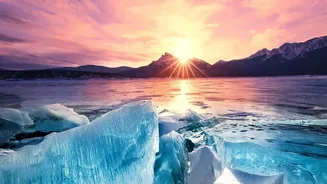
Abraham Lake, Canada
Located in Alberta,
this artificial lake has become world-famous for a stunning natural phenomenon: frozen methane bubbles. As organic matter decomposes on the lakebed, it releases methane gas that rises and gets trapped in layers as the water freezes. This creates stacks of white, disc-like bubbles suspended in the crystal-clear ice, offering a surreal sight for photographers and winter walkers. The area's high winds often sweep the ice surface clean of snow, making for perfect viewing conditions, especially from mid-January to early February.
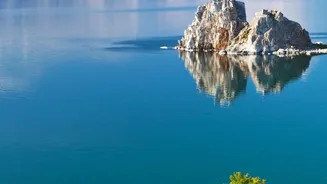
Lake Baikal, Russia
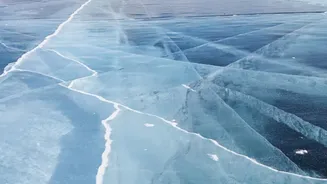
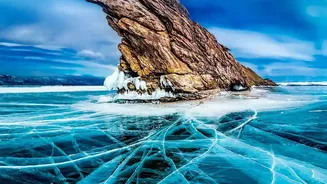
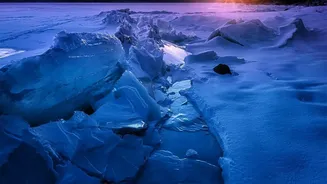
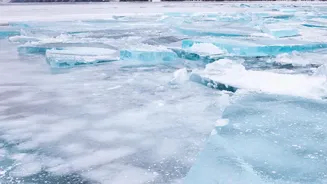
The world's oldest and deepest lake becomes a true winter wonderland. Known for its exceptional clarity, the ice on Lake Baikal can be up to 1.5 metres thick, yet so transparent you can see dozens of metres into the depths below. From January to May, its surface becomes a vast, otherworldly expanse of turquoise 'glass', crisscrossed by dramatic cracks and patterns. Visitors can explore ice caves adorned with frozen stalactites, drive on designated ice roads, or simply walk on the ancient, frozen water.
Pangong Tso, India
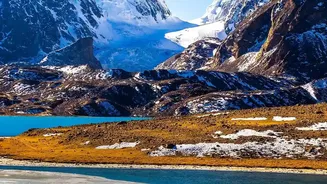
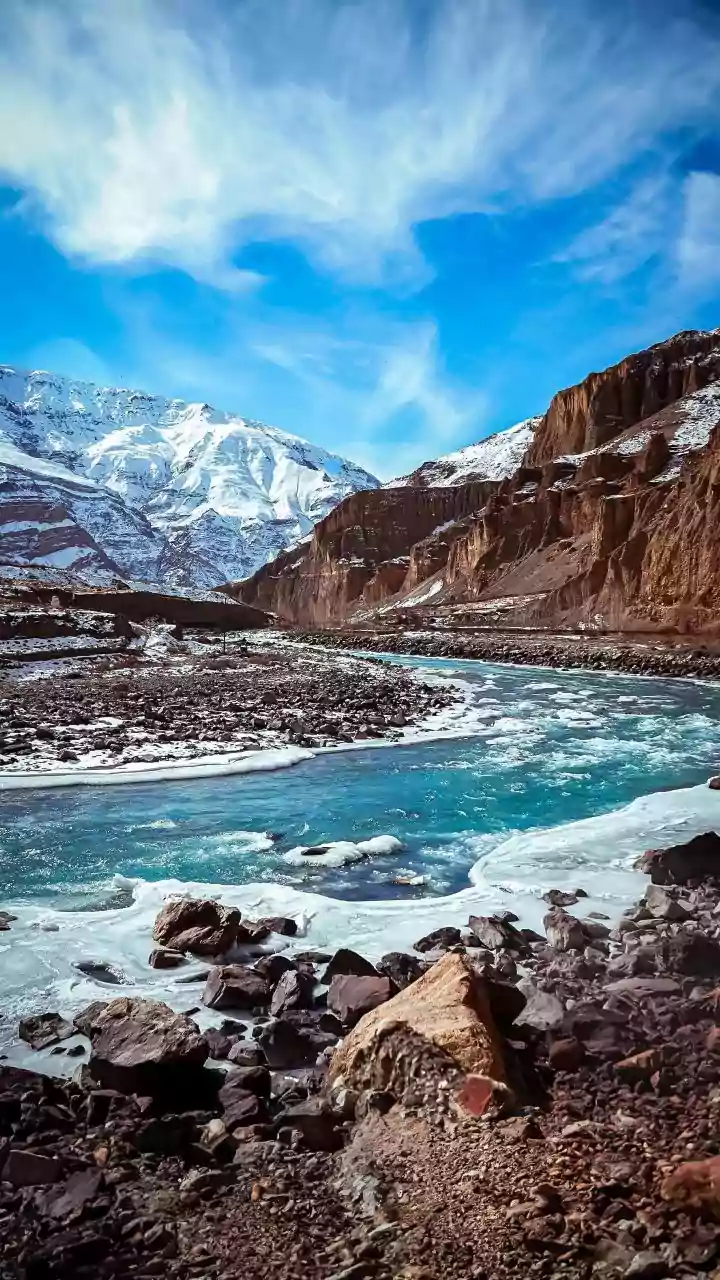
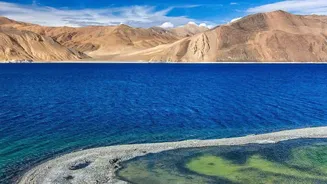
Situated at a breathtaking altitude of over 14,000 feet in Ladakh, Pangong Tso is one of the highest saltwater lakes in the world. Despite its salinity, the lake freezes completely during the harsh winter months of January and February, when temperatures can plummet to -25°C. The frozen surface becomes a solid, walkable sheet of ice, reflecting the surrounding snow-capped Himalayan peaks. In recent years, it has even hosted the world's highest frozen lake marathon, drawing adventurers to its stark and beautiful landscape.
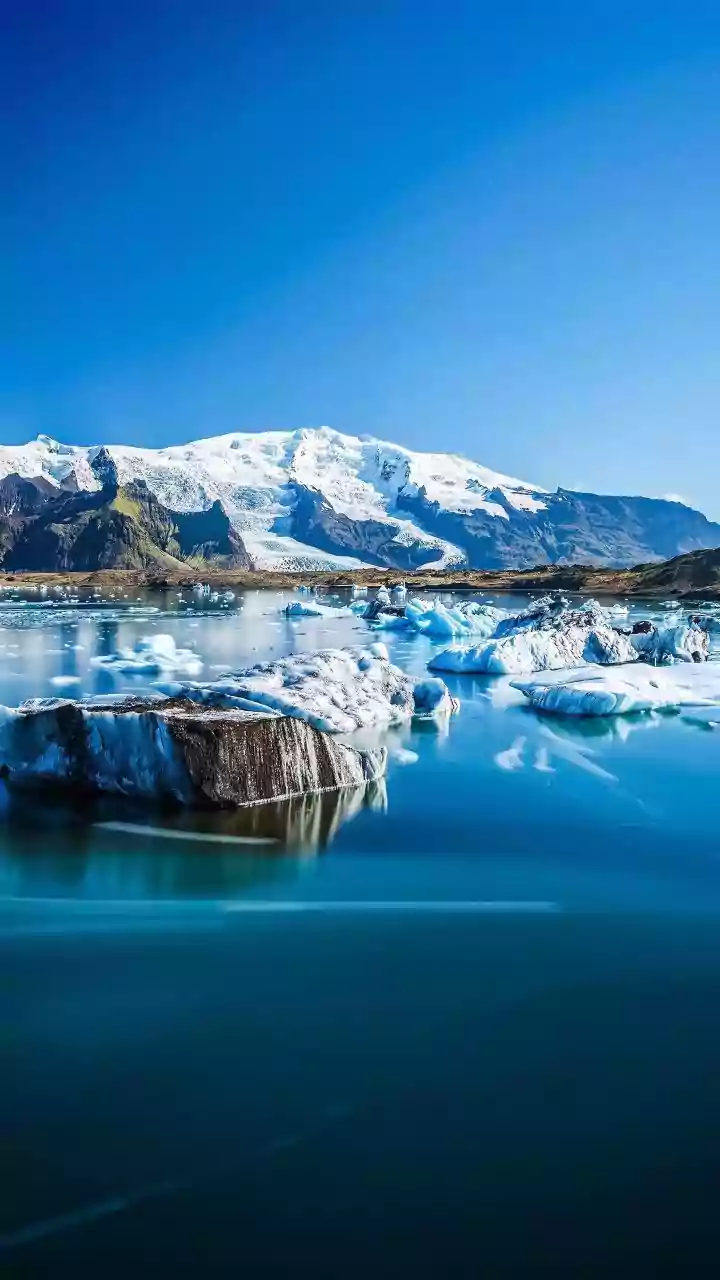
Jökulsárlón, Iceland
This glacial lagoon on Iceland's south coast offers a different kind of frozen spectacle. Rather than freezing over completely, Jökulsárlón is filled with massive icebergs that have broken off from the nearby Breiðamerkurjökull glacier. These ancient blue, white, and black-streaked chunks of ice float slowly towards the ocean, eventually washing ashore on the adjacent black sand expanse known as Diamond Beach. The contrast of glittering ice on volcanic sand makes it an unforgettable stop, especially under the low light of the winter sun or the glow of the Northern Lights.
Lake Louise, Canada
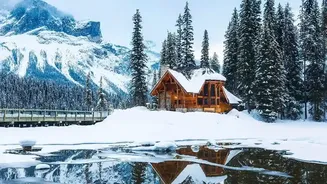
Nestled in Banff National Park, Lake Louise transforms into one of the world's most scenic natural ice-skating rinks each winter. Surrounded by the snow-covered Rocky Mountains and the majestic Victoria Glacier, the frozen lake is a fairy-tale setting. A section is regularly cleared for skating by the Fairmont Chateau Lake Louise, which also builds a magnificent ice castle on the lake each year. The season typically runs from mid-December to March, offering a truly iconic Canadian winter experience.
Lake Superior, USA & Canada
The largest of the Great Lakes presents a raw and powerful winter face. While the entire lake rarely freezes over, its shorelines can become a landscape of dramatic ice formations. The Apostle Islands National Lakeshore in Wisconsin is particularly famous for its sea caves, which transform into dazzling ice caves when conditions are right. When the lake freezes sufficiently, visitors can walk across the surface to explore caverns adorned with frozen waterfalls and curtains of icicles. However, access is rare and depends on extremely cold, calm weather.
Lake Bled, Slovenia
With its iconic island church and clifftop castle, Lake Bled is picturesque in any season, but a blanket of snow gives it a quiet, magical charm. The lake itself rarely freezes completely due to thermal springs, but in exceptionally cold winters, it has been known to ice over, allowing people to walk or skate to the island. More reliably, visitors can enjoy the serene, snow-dusted 6-km walk around the lake or take a traditional pletna boat across the chilly water.
Lake Akan, Japan
Located in Hokkaido, Japan's northernmost island, Lake Akan is known for a delicate and beautiful winter phenomenon called 'frost flowers'. On intensely cold, windless mornings (below -15°C), when there is no snow on the frozen lake surface, water vapour crystallises into intricate, flower-like formations. These ephemeral ice crystals bloom across the lake like a field of glass flowers, only to disappear as the sun rises. It's a fleeting natural spectacle that rewards early-rising visitors.
Lake Michigan, USA
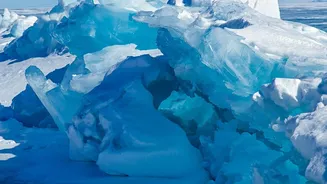
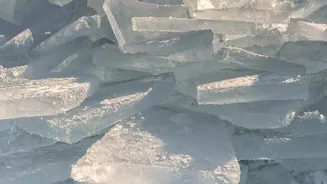
Another of North America's Great Lakes, Lake Michigan is known for a rare phenomenon where huge shards of 'blue ice' pile up along the shoreline. This isn't a different kind of ice, but rather very dense, clear ice that has had its air bubbles compressed out. This density allows it to absorb longer wavelengths of light and reflect the blue part of the spectrum, creating a brilliant, sapphire-like glow. The sight is most common in the Straits of Mackinac, which connects Lake Michigan to Lake Huron.
Tsomgo Lake, India
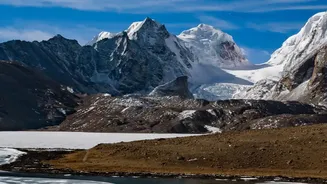
Also known as Changu Lake, this glacial lake in East Sikkim is another high-altitude gem. Located near the Nathu La pass, Tsomgo becomes a serene, frozen expanse during the winter months. Surrounded by steep, snow-covered mountains, the lake's surface turns into a tranquil sheet of ice, offering a peaceful and starkly beautiful scene for travellers braving the cold. The journey itself provides stunning views of the Himalayan landscape.