

The Invisible Threat Above
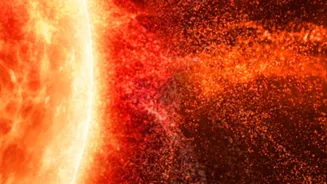
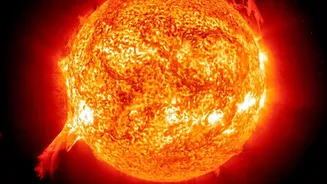
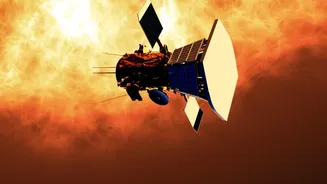
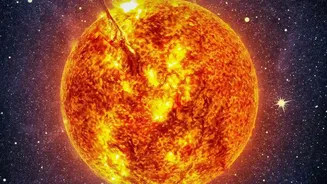
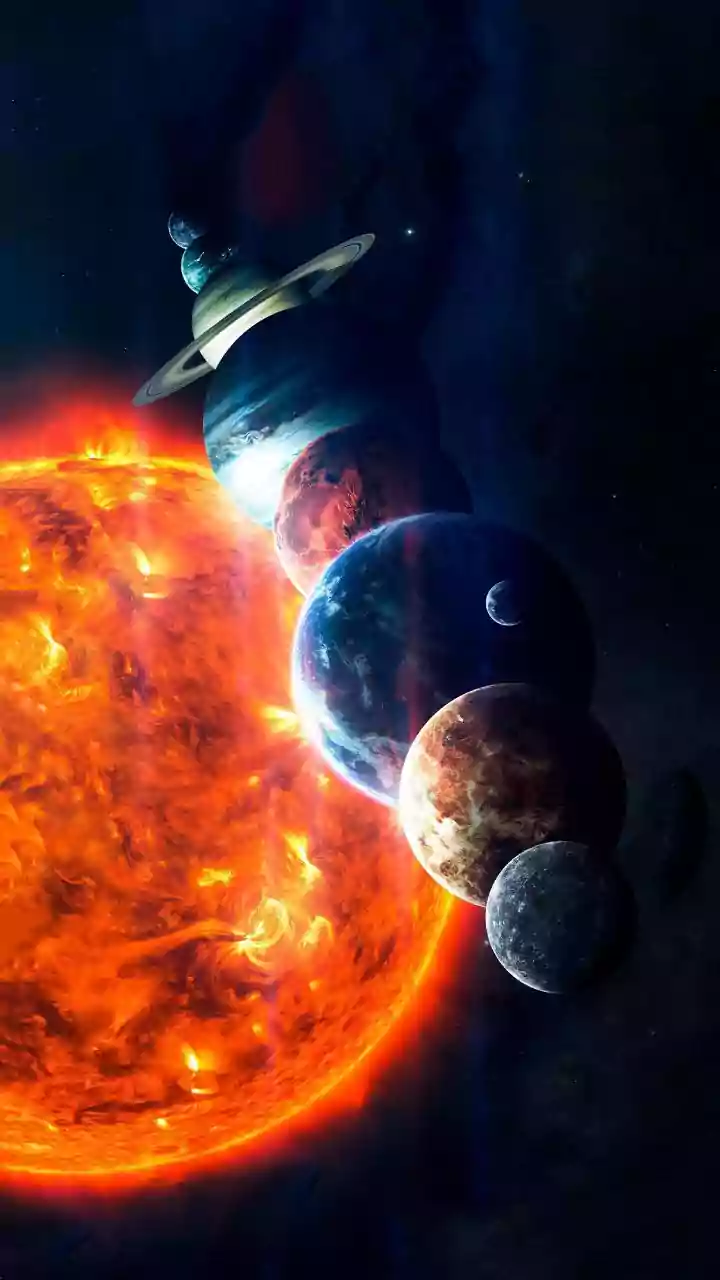
Space weather refers to the changing conditions in space caused by the Sun. The primary culprits are solar flares, which are massive bursts of radiation, and coronal mass ejections (CMEs), which are giant eruptions of plasma and magnetic fields from the Sun. When
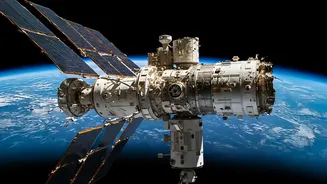
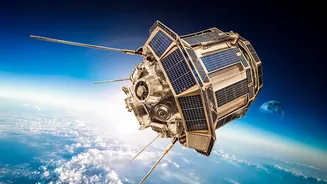
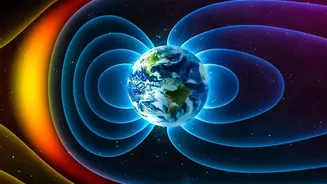
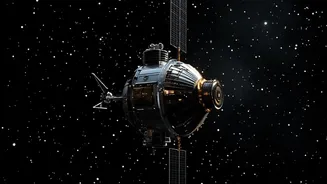
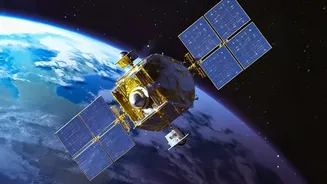
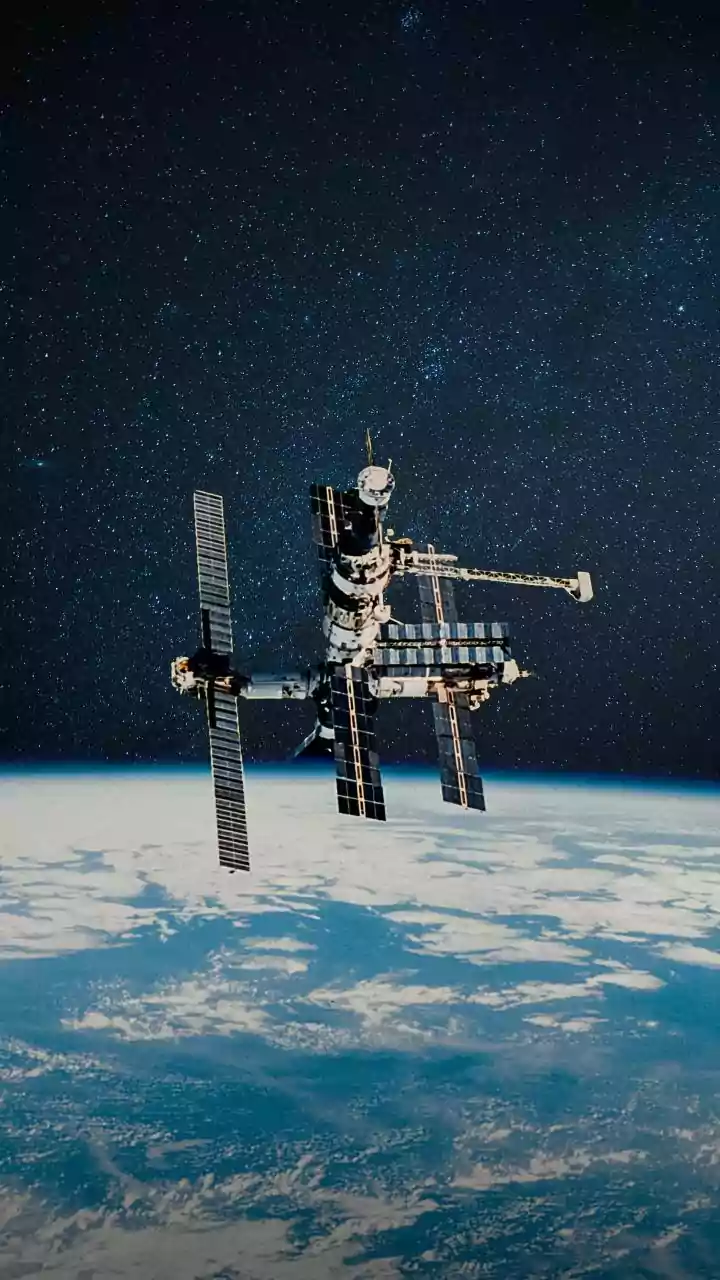
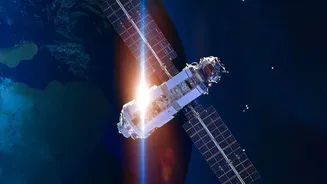
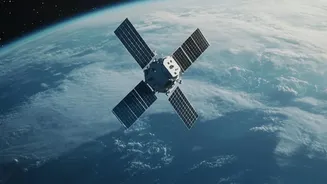
these energetic particles and radiation head towards Earth, they can wreak havoc on our technological systems. For satellites orbiting beyond the protection of Earth's atmosphere, the danger is acute. This solar onslaught can damage sensitive electronics, degrade solar panels, and even cause 'phantom commands' that disrupt a satellite's function. In more severe cases, a powerful solar event can permanently destroy a satellite by frying its circuits.
A Growing Vulnerability in Orbit
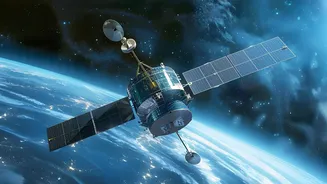
The problem is becoming more urgent as our reliance on space technology explodes. The number of active satellites is projected to jump from a few thousand to as many as 50,000 by the end of the decade. Many of these new satellites, particularly those in large, low-Earth orbit (LEO) constellations, use commercially available components that may not be as shielded against radiation as older, more robust models. Furthermore, intense solar storms heat and expand Earth's upper atmosphere. This increases atmospheric drag on LEO satellites, causing them to lose altitude, drift from their orbits, and risk collisions or even burning up upon re-entry. The failure of these satellites could disrupt everything from GPS navigation—affecting global shipping, aviation, and agriculture—to financial transactions that rely on precise timing signals.
The Limits of Looking at the Sun
Current space weather forecasting has significant limitations. Scientists monitor the Sun for signs of activity, but predicting the exact timing and, more importantly, the potential impact of an eruption is incredibly difficult. Operational forecasts often rely on spacecraft positioned about 1.5 million kilometres from Earth at a location called the L1 Lagrange point. While this provides some data, for the fastest and most dangerous CMEs, it gives forecasters a warning time of only about 15 minutes before the storm hits Earth. This is simply not enough time to take meaningful protective measures, such as putting satellites into a safe mode or preparing power grids on the ground for potential surges. The solar superstorm of May 2024 highlighted these vulnerabilities and the pressing need for more advanced warning systems.
A New Generation of Forecasting
To address this challenge, scientists are exploring innovative new methods. One promising avenue is the use of artificial intelligence and machine learning. Models like NASA's Surya are being trained on years of solar observation data to identify patterns that precede solar flares, improving prediction accuracy and providing warnings hours in advance. Another key strategy involves placing new sensors much farther away from Earth. The upcoming European Space Agency (ESA) HENON mission, scheduled for 2027, will feature a UK-built instrument called MAGIC that will measure the solar wind's magnetic field 15 million kilometres upstream. This could extend the warning time for severe storms from minutes to several hours, giving operators crucial time to react. Other missions like SAWA are focused on better understanding the upper atmosphere to improve orbit predictions during solar storms.