




The Invisible Threat Indoors
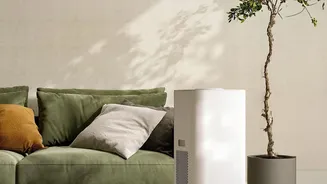
When the air quality outside plummets, our homes become our sanctuaries. However, sealing our living spaces isn't a foolproof solution. Toxic pollutants from traffic, construction, and stubble burning seep indoors. These outdoor particles then mix with
indoor pollutants like volatile organic compounds (VOCs) released from paint, furniture, cleaning agents, and cooking fumes. This creates an indoor environment that can be just as, if not more, polluted than the air outside, making the annual battle against winter smog a 24/7 concern for families across the national capital region.
Can Plants Really Clean the Air?
The idea that houseplants can purify the air gained widespread popularity from a 1989 NASA study which found certain plants could remove toxins from small, sealed environments. However, it's crucial to understand the context. Our homes are not sealed space stations; they are larger and have constant air exchange. Subsequent research has clarified that while plants do absorb pollutants, you would need a huge number—potentially hundreds per room—to match the effectiveness of a good HEPA filter. So, are they useless? Not at all. Think of them as a natural supplement. They contribute to a healthier indoor ecosystem by adding humidity to dry winter air, absorbing some VOCs, and improving mental well-being. They are one part of a broader strategy, alongside ventilation on cleaner days and mechanical purifiers.
The Low-Maintenance Champion: Snake Plant
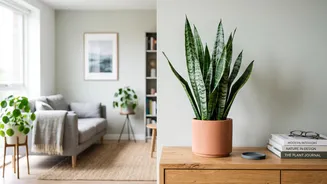
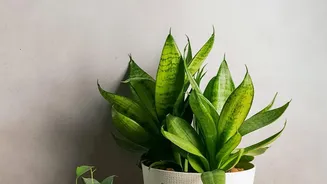
If you're new to plant parenting, the Snake Plant (Sansevieria trifasciata) is your best friend. It's famously difficult to kill, thriving in low light and requiring minimal watering. A key benefit is its ability to perform a type of photosynthesis that allows it to release oxygen at night, making it an excellent choice for bedrooms. The NASA study noted its effectiveness in filtering common household toxins like benzene, formaldehyde, and trichloroethylene.
The Household Favourite: Money Plant
The Money Plant, or Pothos, is a staple in millions of Indian homes for good reason. It's incredibly resilient, grows quickly, and is effective at filtering pollutants like formaldehyde and benzene. Its trailing vines can be styled on shelves or in hanging baskets, making it a versatile decorative element. It's a low-effort, high-reward plant that actively helps clean the air in the spaces where your family spends the most time.
The Elegant Purifier: Peace Lily
With its beautiful white flowers and glossy dark leaves, the Peace Lily (Spathiphyllum) is more than just a pretty face. It's a powerhouse when it comes to removing airborne toxins. It is particularly effective against ammonia, a compound often found in cleaning products, in addition to benzene and formaldehyde. It prefers indirect light and consistently moist soil, and its drooping leaves will give you a clear sign when it needs water.
The Prolific Propagator: Spider Plant
The Spider Plant (Chlorophytum comosum) is another excellent choice for beginners. It's non-toxic to pets and children and incredibly easy to propagate from the small 'spiderettes' it produces. It’s known for being effective at removing formaldehyde and carbon monoxide from the air. Its fast-growing nature and arching leaves make it a cheerful addition to any room, working quietly to make your indoor air a little cleaner.
The Tropical Humidifier: Areca Palm
The Areca Palm (Dypsis lutescens) brings a lush, tropical feel indoors and is one of the top-rated plants for air purification. It is especially good at removing toxins like toluene and xylene. Beyond cleaning the air, it also acts as a natural humidifier, releasing moisture into the atmosphere. This is a significant benefit during Delhi's notoriously dry winter months, helping to ease respiratory discomfort.