



From Itinerary to Immersion
Remember the classic Indian summer vacation? A whirlwind tour of three cities in five days, a frantic scramble from one monument to the next, and a camera roll full of photos you barely remember taking. For generations, the goal was to see as much as possible
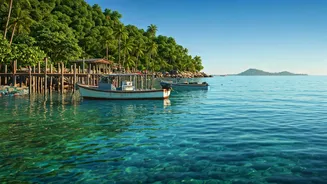
in the limited time available. But a significant shift is underway. An increasing number of travellers are rejecting this ‘checklist tourism’ in favour of ‘slow travel.’ Slow travel isn’t about moving at a snail’s pace; it’s a mindset. It prioritises connection—to local people, culture, food, and the environment—over simply ticking off destinations. Instead of rushing to see the top ten sights, the slow traveller might spend an entire month in a single region, getting to know the rhythm of daily life, frequenting the local market, and building relationships. This approach trades the stress of a packed itinerary for the luxury of time, allowing for spontaneous discoveries and a true sense of place.
The Rise of the Artisan Homestay
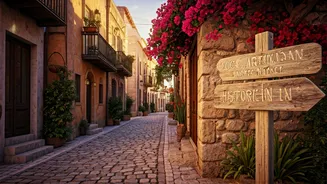
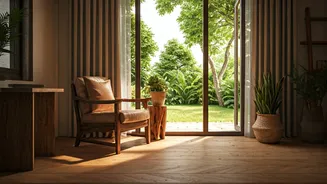
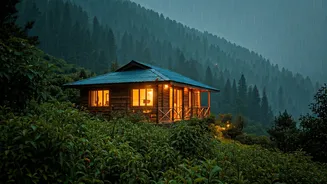
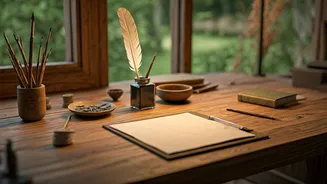
This shift in philosophy requires a different kind of accommodation. The anonymous, cookie-cutter hotel room, designed for transient guests, feels out of place. Enter the artisan homestay. These are not just rooms for rent; they are curated spaces deeply embedded in their local context, often run by hosts who are artists, chefs, farmers, or craftspeople themselves. An artisan homestay might be a restored heritage property in a quiet Goan village, a cottage on a Kumaoni coffee plantation where you can learn about roasting beans, or a room in a weaver’s home in rural Rajasthan. The ‘artisan’ element is key: it signifies a celebration of skill, authenticity, and personality. The decor features local crafts, the food is hyper-local and seasonal, and the host is a guide to the region's hidden culture, not just its tourist hotspots. Staying in such a place transforms a vacation from a passive experience into an active, participatory one.
The New Freedom: Longer Breaks
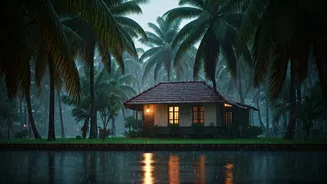
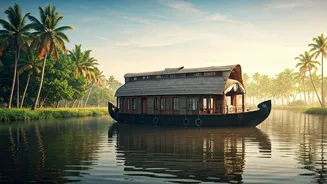
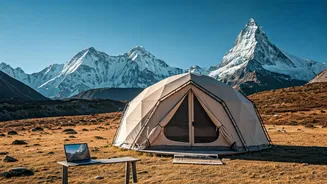
For years, the biggest barrier to slow travel was time. The standard two-week annual leave policy simply didn’t allow for deep immersion. However, several factors have converged to change this. The widespread adoption of remote and hybrid work models is the most significant driver. Professionals can now pack their laptops and work from a serene Himalayan cottage or a coastal Kerala home for weeks, or even months, at a time. This blend of work and leisure, often called a ‘workation’ or ‘flexcation,’ has untethered people from the office. Furthermore, many urban families are rethinking the traditional summer break. Instead of just a short holiday, they are opting for longer escapes from city pollution and stress, giving their children a chance to experience a different way of life. This extended timeframe is crucial, as it allows for the unhurried pace that slow travel demands. It takes time to decompress, disconnect from urban anxieties, and truly settle into a new environment.
A More Meaningful Exchange
The benefits of this trend are twofold. For the traveller, it offers a richer, more restorative experience. You don’t return from a slow travel trip more exhausted than when you left. Instead, you come back with new skills, meaningful memories, and a genuine understanding of a place. You might learn to cook a regional dish from your host, try your hand at pottery, or simply spend afternoons reading in a garden, undisturbed. It’s a holiday for the soul, not just the Instagram feed. For the host communities, this model of tourism is far more sustainable. It brings income directly into local hands, bypassing large corporate chains. It encourages the preservation of local culture, crafts, and culinary traditions, as these become the very assets that attract discerning travellers. Unlike mass tourism, which can often overwhelm local infrastructure and culture, slow travel fosters a respectful, symbiotic relationship between the visitor and the visited.