
Why Monsoon Is a High-Risk Season
The primary reason monsoon is a dangerous time for food safety is the combination of warmth and high humidity. This duo creates an ideal environment for harmful bacteria like Salmonella and E. coli to multiply rapidly on food left at room temperature.
While food safety is always important, the moisture in the air during the rainy season significantly accelerates spoilage. Frequent power cuts, a common issue during this season, can also compromise refrigeration, allowing food to enter the 'danger zone'—temperatures between 5°C and 60°C—where bacteria thrive. This makes proper storage and reheating more critical than ever.
The Golden Rules of Storage
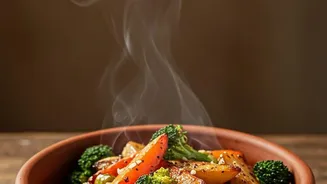
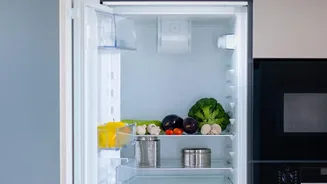
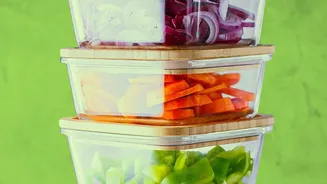
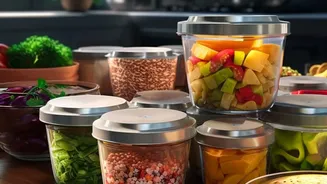
How you store your leftovers is your first line of defence. The most crucial guideline is the two-hour rule: perishable food should never be left at room temperature for more than two hours. In the warmer, more humid conditions of the monsoon, it's safer to shorten this window. Don't wait for food to cool down completely on the counter; once it stops steaming, place it in the fridge. Store food in airtight containers to prevent moisture and cross-contamination. According to FSSAI guidelines, cooked food should be stored above raw food in the refrigerator to prevent juices from raw meat dripping onto ready-to-eat items. Dividing large portions into smaller, shallow containers helps food cool down faster, minimising the time it spends in the temperature danger zone.
Reheating the Right Way
Simply warming up leftovers isn't enough to make them safe. To kill harmful bacteria, food must be reheated thoroughly to an internal temperature of at least 74°C (165°F). Sauces, soups, and gravies should be brought to a rolling boil. When using a microwave, ensure the food is heated evenly by covering it, stirring halfway through, and allowing it to stand for a minute after heating. A common mistake is reheating food multiple times, which can encourage bacterial growth with each cooling and heating cycle. It's best to only reheat the portion you plan to eat. Methods like slow cookers are not recommended for reheating, as they heat food too slowly and can keep it in the danger zone for too long.
When to Throw It Out
Your senses are a good first check, but they aren't foolproof. Food doesn't have to smell or look bad to be contaminated. However, if you notice any off-odours, strange textures, or visible mould, discard the food immediately. Do not taste food to check if it's safe. A crucial point to remember is that some bacteria, like Staphylococcus aureus, can produce heat-resistant toxins. If food has been left out for too long, reheating it will kill the bacteria but may not destroy these toxins, which can still cause food poisoning. As a general rule, refrigerated leftovers should be consumed within two to three days. If you have any doubt about the safety of your leftovers, the safest option is always to throw them away.