

The Ideal Autumn Window
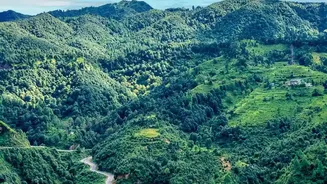
Meghalaya in autumn, particularly from October to November, strikes a perfect balance. The relentless monsoon rains have subsided, leaving the landscape intensely green and the waterfalls still roaring with considerable volume. This period offers comfortable,
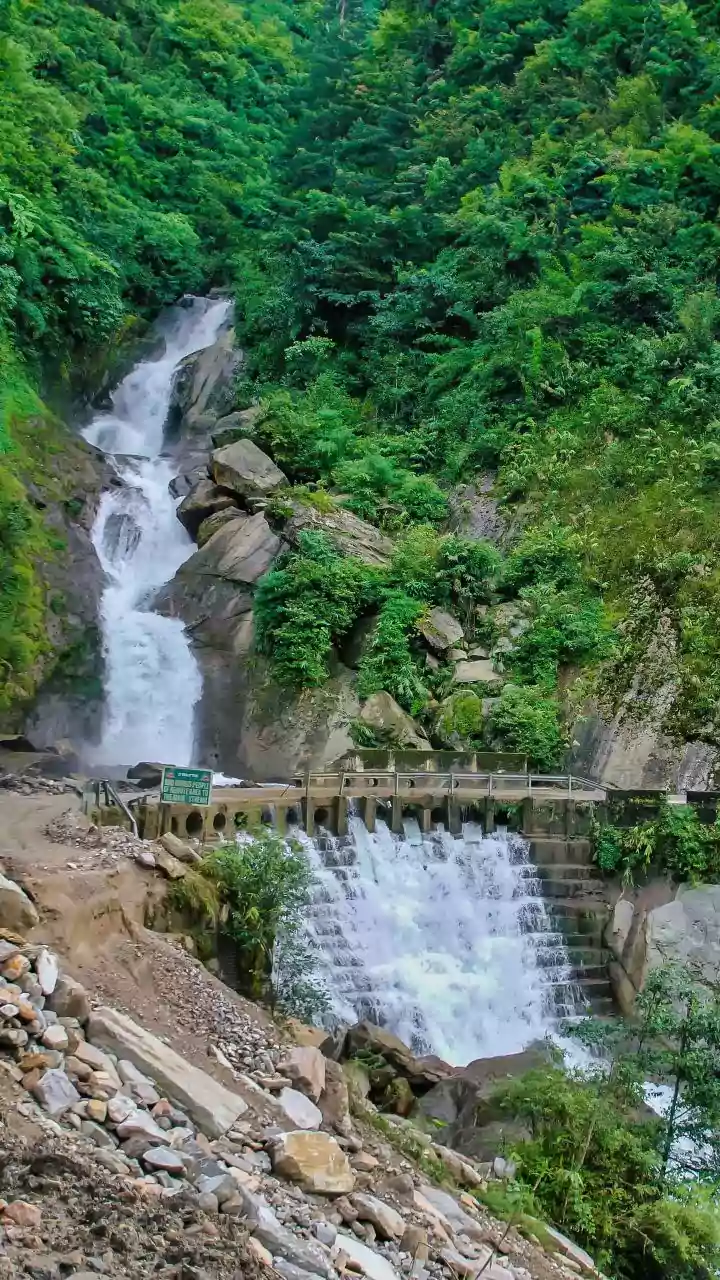
cooler weather, making it ideal for the trekking required to reach many of the state's most famous sights. Unlike the peak winter months when waterfalls begin to thin, or the monsoon when trails become treacherous, autumn provides a magical combination of powerful natural beauty and safer, more accessible travel conditions. It is the season where you can truly witness the region's post-monsoon splendour without the disruptions of heavy rain.
The Double-Decker Living Root Bridge: A Journey into Nature's Architecture
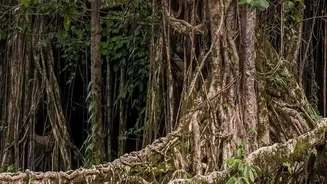
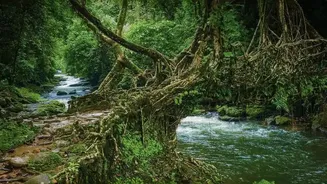
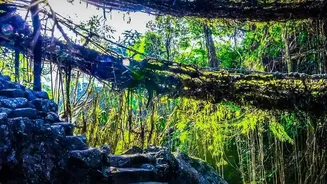
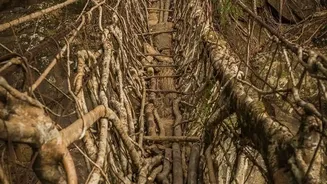
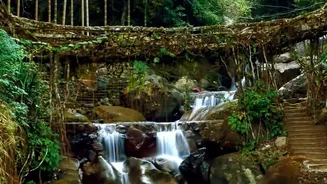
The crown jewel of Meghalaya's living heritage is the Umshiang Double-Decker Living Root Bridge in Nongriat village. This is not a structure that was built, but one that was grown and guided over centuries by the Khasi people. The aerial roots of the Ficus elastica (Indian rubber tree) were meticulously woven and trained across a river to form two stacked, living walkways. Reaching it is an adventure in itself, involving a descent of approximately 3,500 stone steps from the starting point at Tyrna village, which is a short drive from Cherrapunji (Sohra). The trek, which takes about 1.5 to 2.5 hours one way, leads you through dense forests and across swaying suspension bridges. Once there, the sight of the moss-covered, intertwined roots forming a sturdy, two-level bridge is unforgettable. You can walk across both levels and even take a refreshing swim in the crystal-clear pool that forms below.
Krang Suri Falls: A Plunge into Turquoise Waters
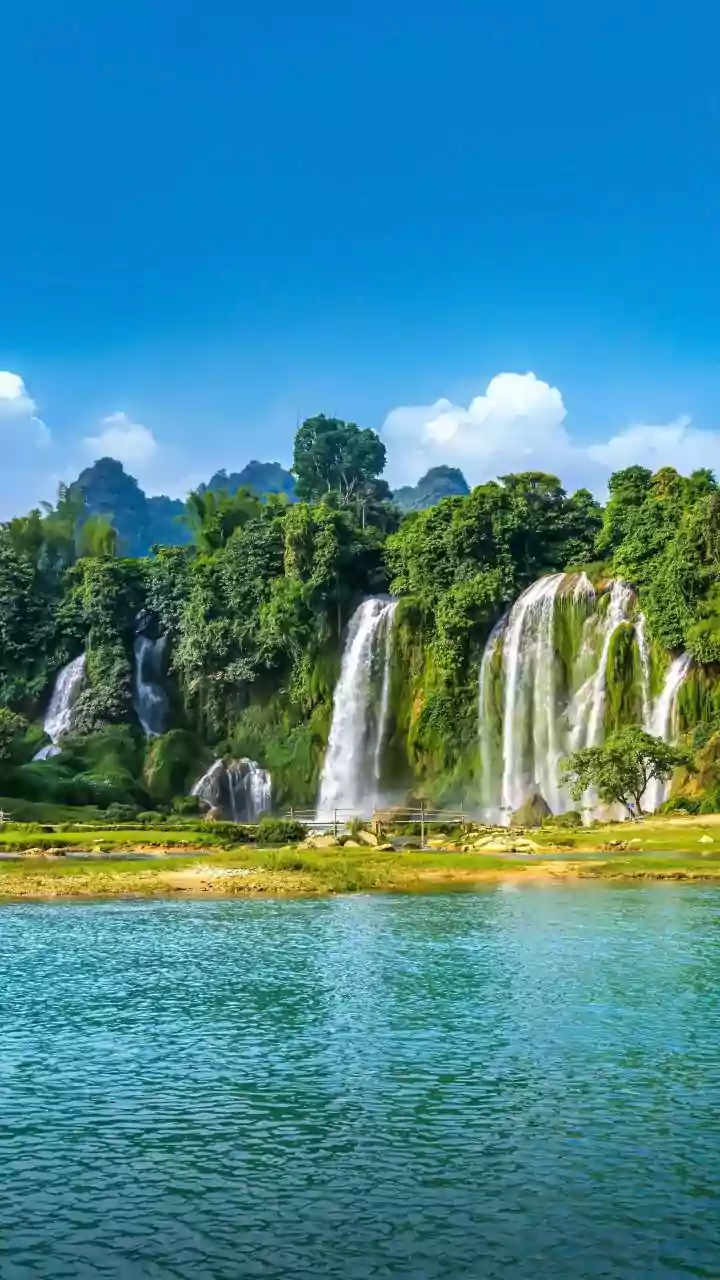
Often hailed as one of Meghalaya's most beautiful waterfalls, Krang Suri is a must-visit, especially in autumn. Located in the Jaintia Hills, about a three-hour drive from Shillong, this waterfall is famed for the brilliant turquoise colour of its plunge pool. Unlike the towering, dramatic falls of Cherrapunji, Krang Suri has a more serene charm, cascading like a curtain into a pristine, clear pool. A well-maintained path leads you down to the falls, where you can swim in the cool, inviting water. Life jackets are mandatory for swimming, ensuring a safe experience. The combination of the vibrant blue water, the surrounding lush greenery, and the gentle roar of the falls makes it a perfect spot for photography and relaxation. The post-monsoon season ensures the water volume is still impressive while regaining its signature clarity.
Nohkalikai Falls: India's Tallest Plunge Waterfall
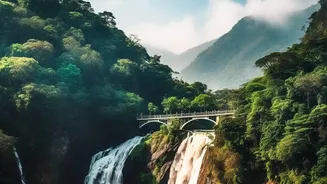
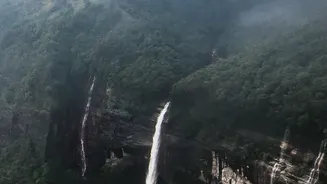
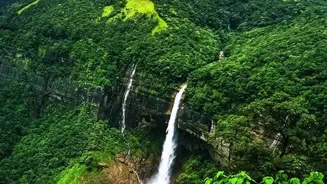
No trip to Meghalaya is complete without witnessing the sheer scale of Nohkalikai Falls, the tallest plunge waterfall in India. Located near Cherrapunji, it cascades from a height of over 1,100 feet into a deep, turquoise-green pool below. The viewpoint is easily accessible and offers a breathtaking panorama of the waterfall against a backdrop of dramatic cliffs. In autumn, the post-monsoon flow means the falls are powerful and majestic, often shrouded in a light mist that adds to the mystique. The name, which translates to "Jump of Ka Likai," is tied to a tragic local legend, adding a layer of poignant history to its immense natural beauty.
Offbeat Alternatives and Simpler Treks
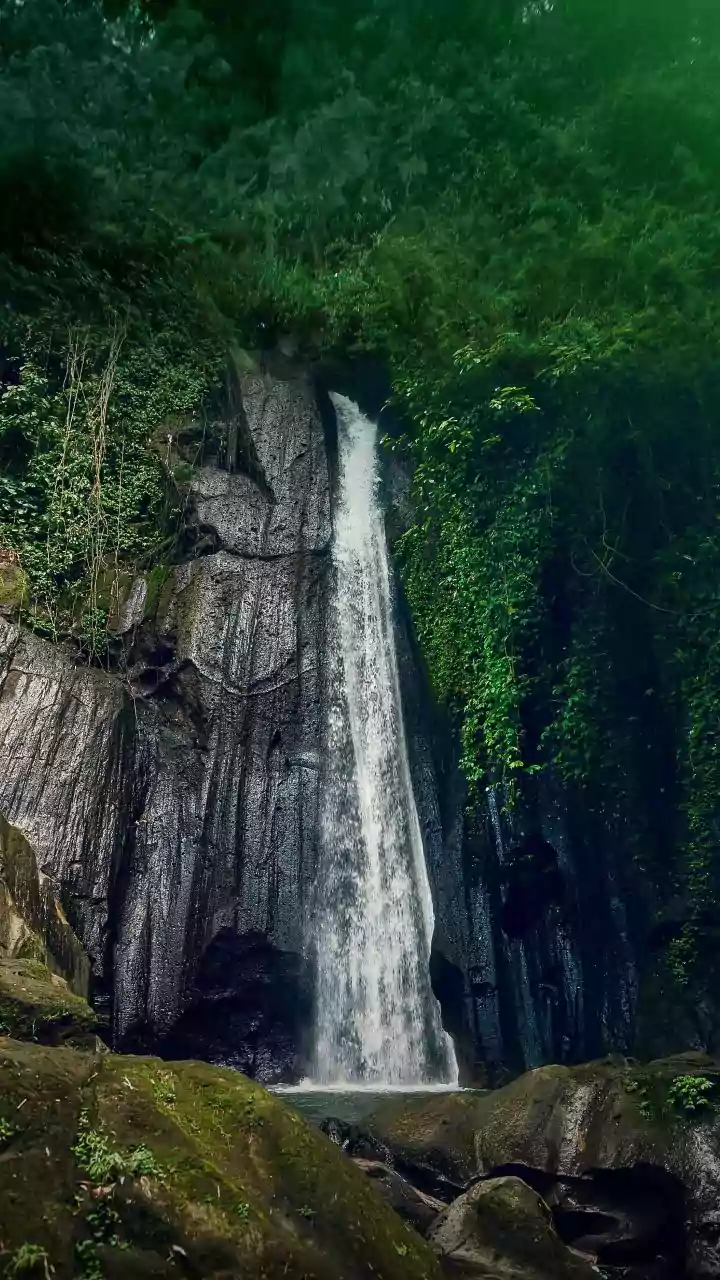
For those seeking the magic of root bridges without the strenuous Nongriat trek, the Riwai Living Root Bridge near Mawlynnong village offers a fantastic alternative. It's a single-decker bridge that is easily accessible via a short 10-minute walk, making it suitable for all fitness levels. If you're looking for a quieter waterfall experience, consider Mawsawdong Falls. Also known as Diengdoh Waterfall, this lesser-known gem is located near Sohra but sees far fewer tourists, allowing for a more peaceful communion with nature. For another offbeat adventure, the village of Sohbar offers views of the Wahrew Suspension Arch Bridge and activities like kayaking and camping, away from the main tourist trail.
Practical Tips for Your Autumn Trip
When planning your Meghalaya adventure, base yourself in Cherrapunji (Sohra) for easy access to waterfalls and the root bridge treks. Shillong serves as the primary entry point, about a 3-4 hour drive from Guwahati airport. For the Nongriat trek, start early to avoid the midday heat, wear sturdy shoes with good grip, and carry cash as digital payments are limited in remote villages. Even in the dry autumn season, weather can be unpredictable, so packing a light jacket and a waterproof layer is always wise. A typical itinerary covering the main highlights requires at least 5-6 days to explore comfortably without rushing.