


An Experience That Outweighs the Price
The primary allure of heritage railways for budget tourists is the incredible value they offer. This isn't just about getting from point A to B; it's about the journey itself becoming a primary attraction. The Nilgiri Mountain Railway (NMR), a UNESCO
World Heritage Site since 2005, is a prime example. For a fraction of the cost of other transport modes, passengers get a front-row seat to a moving piece of history, an engineering marvel that has chugged along since 1908. The experience combines a scenic tour, a historical lesson, and a cultural immersion that would otherwise cost a great deal more if pursued as separate activities. It’s an entire holiday experience packed into a single train ticket.
The Unbeatable Economics of the Toy Train
When it comes to cost, the numbers speak for themselves. A journey on the NMR from Mettupalayam to Ooty can cost as little as a few hundred rupees. In stark contrast, a taxi for the same 50-kilometre route can set you back well over ₹1,300, and even a bus can be significantly more expensive. For a budget traveller, this difference is substantial. That saving doesn't mean a compromised experience; in fact, it buys a richer one. The nearly five-hour train journey, while slower than the 90-minute car ride, is the whole point. It allows travellers to soak in the atmosphere and scenery, making the travel day an integral part of their vacation rather than just a logistical hurdle.
A Window to Breathtaking Natural Beauty
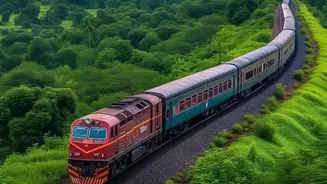
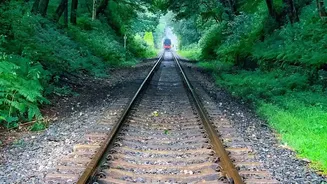
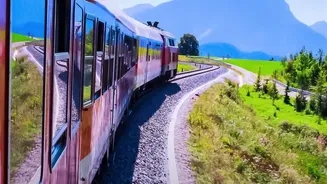
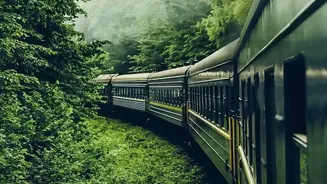
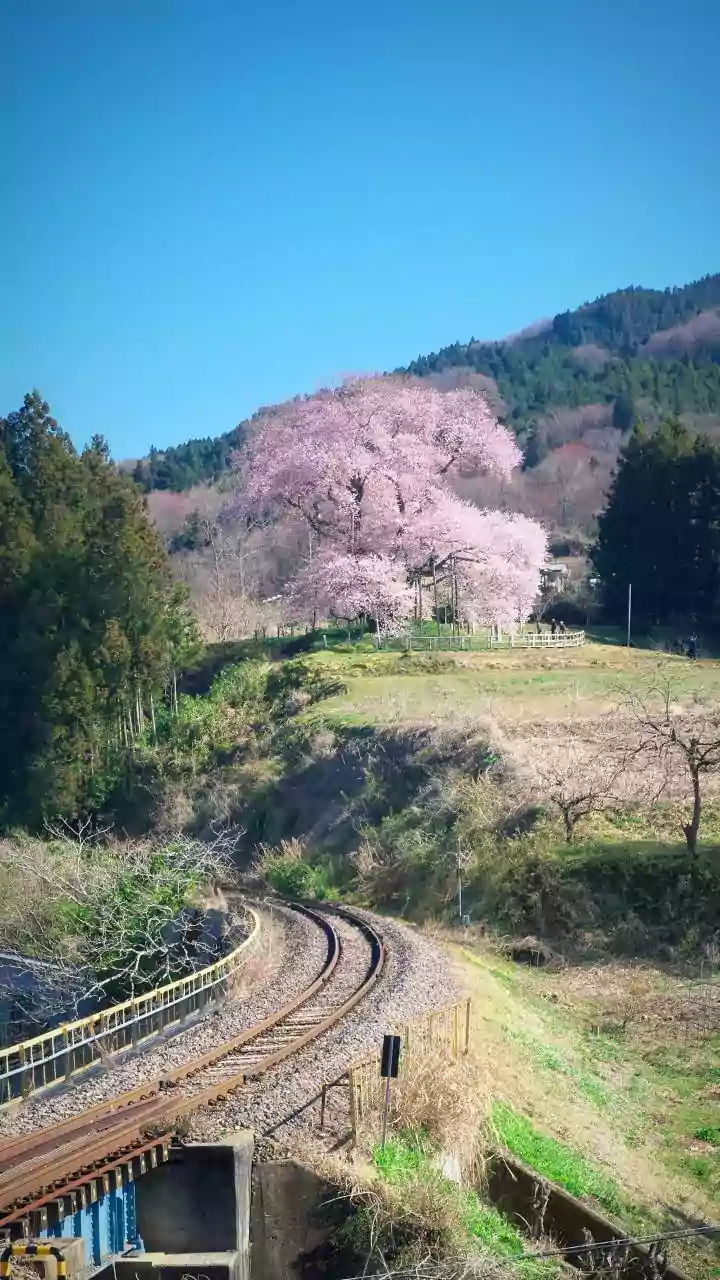
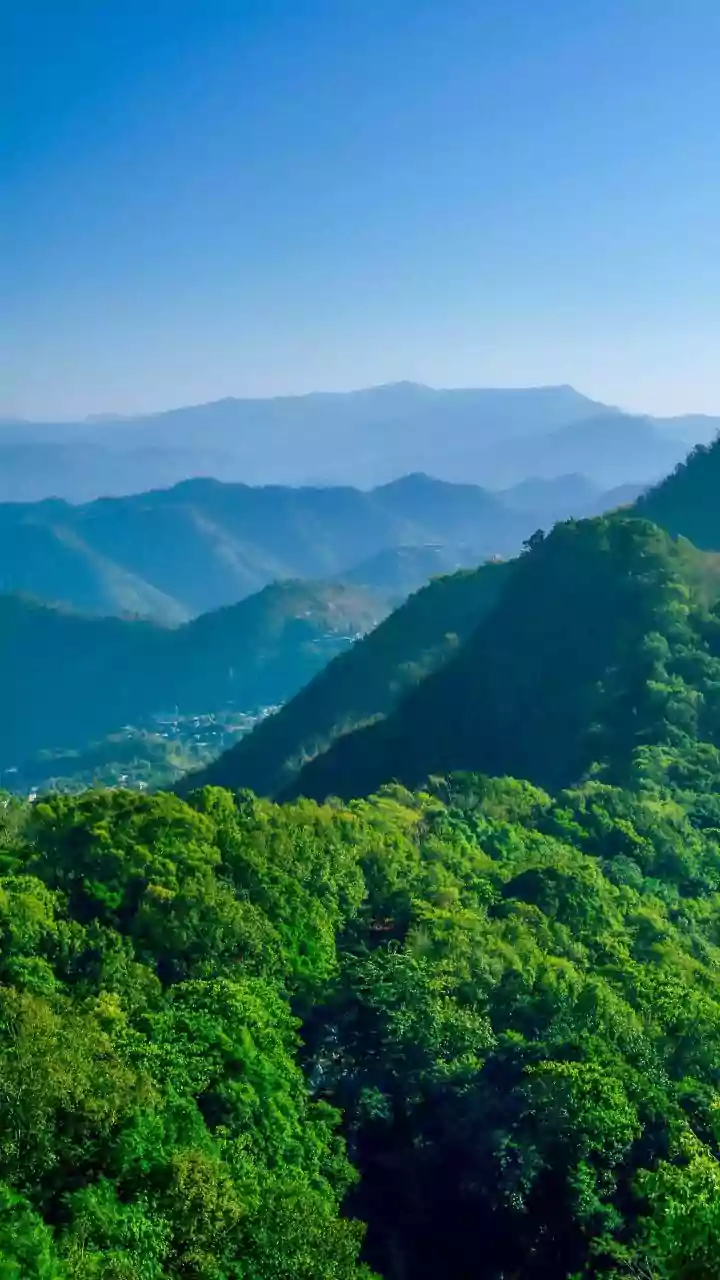
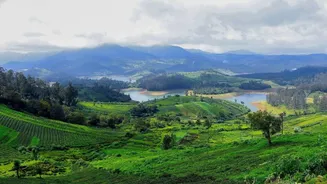
The route from the foothills at Mettupalayam to the hill station of Ooty is a visual feast. The train snakes through the Nilgiri mountains, navigating over 250 bridges and passing through 16 tunnels. Passengers are treated to an ever-changing landscape of lush paddy fields, dense forests, rocky cuttings, and eventually, the rolling green carpets of tea plantations. For a budget-conscious tourist, this is a scenic tour of the Western Ghats without the price tag of a private guide or specialised excursion. The slow pace of the train, a necessity on Asia's steepest railway track, allows ample time for photography and simply gazing out the window, making it a photographer's paradise on a dime.
The Unique Charm of Slow Travel
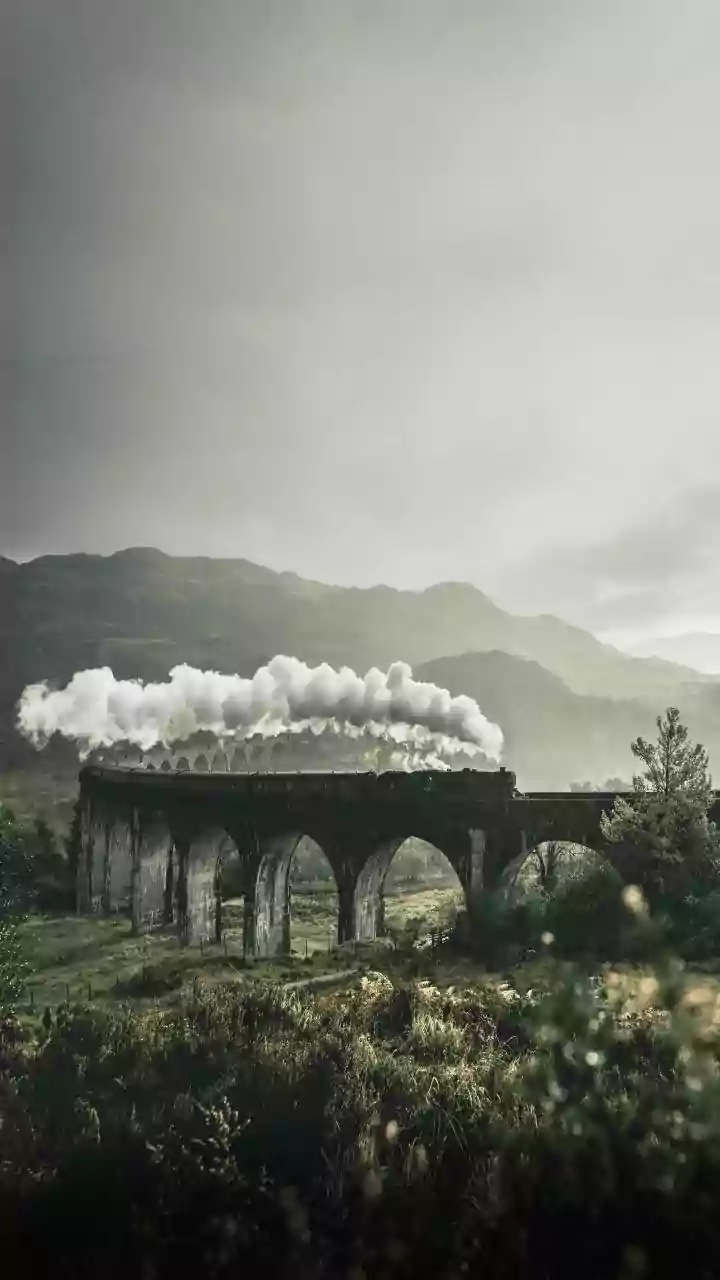
In an age obsessed with speed and efficiency, the deliberate, unhurried pace of a heritage train is a powerful draw. The journey encourages passengers to disconnect from their devices and connect with their surroundings. The chugging of the steam locomotive on parts of the route, the whistles echoing through the valleys, and the stops at quaint, colonial-era stations like Coonoor, Wellington, and Lovedale are all part of an authentic, analogue experience. This form of slow travel resonates deeply with those who seek immersion and mindfulness over a rushed itinerary. It’s a chance to engage with fellow travellers, wave at children in villages along the track, and experience a gentler, more romantic mode of transport that modern life rarely affords.
A Moving Marvel of Engineering and Heritage
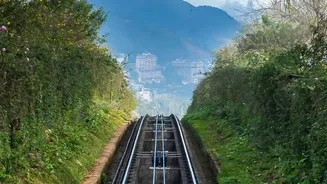
Part of the appeal is travelling on a living museum. The Nilgiri Mountain Railway is the only rack and pinion railway in India, an ingenious system designed by the British to conquer the steep gradients of the hills. This unique engineering, coupled with the vintage charm of the wooden carriages and historic steam engines, makes the journey a compelling attraction for history buffs and engineering enthusiasts. The UNESCO World Heritage status isn't just a label; it signifies the route's outstanding universal value. For any traveller, the opportunity to experience such a significant piece of global heritage for the price of a local train ticket is an undeniable bargain.