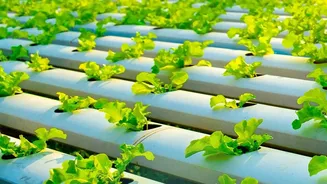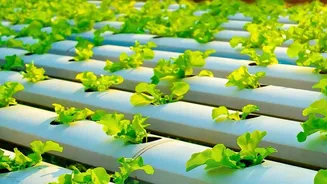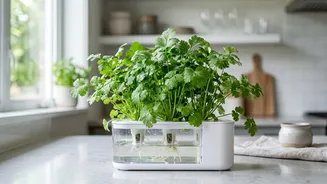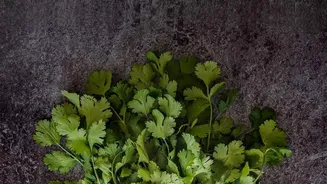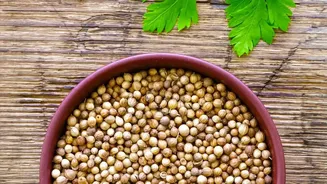




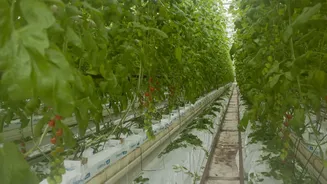
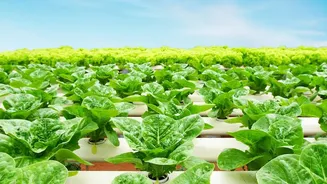

Imagine fresh, aromatic dhaniya available in your kitchen year-round. Growing coriander hydroponically makes this possible, sidestepping soil pests and weather woes. The secret to a continuous, flavourful harvest lies in the roots.
Why Grow Coriander Without Soil?
Coriander, or dhaniya,
is a staple in Indian cooking, but it can be tricky to grow in soil, where it often bolts (flowers prematurely) in the heat. Hydroponics, a soil-free method, solves this by giving you complete control over the growing environment. By delivering nutrients directly to the roots via water, you can achieve faster growth, higher yields, and a more intense flavour compared to soil-grown plants. This method also eliminates weeds and reduces the risk of soil-borne diseases, making it a clean and efficient way to maintain a fresh supply of this essential herb.
Understanding the 'Balanced' Solution
The term 'balanced' refers to providing all the essential nutrients in the correct ratios and concentrations for healthy plant growth. In hydroponics, the nutrient solution is the sole source of food for the plant, so getting it right is crucial. For leafy herbs like coriander, the focus is on promoting lush foliage. This means a solution rich in nitrogen (N), but with adequate phosphorus (P) and potassium (K), along with several key micronutrients. An imbalanced solution can lead to deficiencies, stunted growth, or can stress the plant, causing it to bolt. Monitoring two key metrics is essential: pH, which affects nutrient absorption, and Electrical Conductivity (EC), which measures the nutrient strength.
Key Nutrients Your Coriander Needs
A good hydroponic nutrient mix for coriander contains a complete profile of elements. The primary macronutrients are Nitrogen (N), Phosphorus (P), and Potassium (K). Nitrogen is vital for developing green, leafy growth. Secondary macronutrients include calcium, magnesium, and sulfur. Finally, micronutrients like iron, manganese, and zinc are needed in smaller amounts but are still essential for plant health. Many growers find success with a general-purpose nutrient formula for leafy greens, often with an N-P-K ratio around 3-1-2. You can buy pre-mixed hydroponic solutions or mix your own using soluble salts.
Finding the Right pH and EC Levels
For coriander, the ideal pH range for your nutrient solution is between 5.5 and 6.5. Within this acidic window, the plant's roots can efficiently absorb the full spectrum of available nutrients. If the pH drifts too high or too low, certain nutrients can become 'locked out', meaning the plant cannot access them even if they are present in the water. Electrical Conductivity (EC) measures the total dissolved salts, indicating the strength of your solution. Coriander is a light feeder, so it prefers a gentle nutrient concentration. Aim for an EC between 1.2 and 1.8 mS/cm. Seedlings should start at the lower end of this range, with the concentration gradually increasing as the plant matures.
Maintaining the System for a Continuous Harvest
Once your system is running, regular maintenance ensures a long and productive harvest. Check the pH and EC levels every two to three days, as they can change while the plant feeds. Keep the water temperature cool, ideally between 15°C and 22°C, as high temperatures are a primary trigger for bolting. Ensure your plants get 12 to 16 hours of light per day from a grow light. Once the plants are about 15 cm tall, you can begin harvesting. Snip the outer leaves first, taking no more than one third of the plant at a time. This 'cut and come again' method encourages the plant to keep producing new leaves from the centre, extending your harvest for weeks.