







More Than Just a Monsoon Spectacle
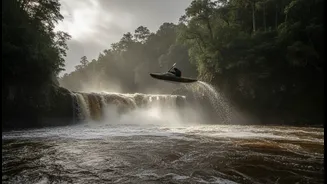
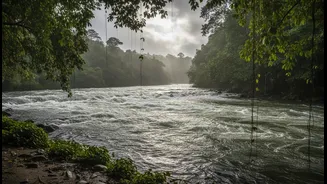
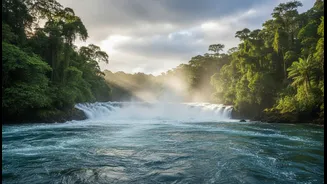
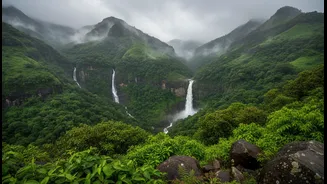
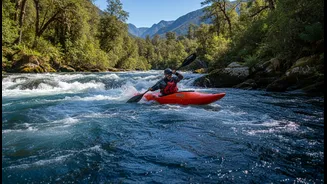
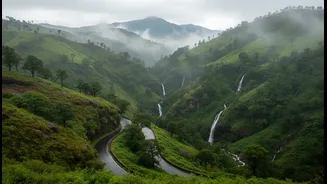
Every year, as the Western Ghats are drenched in monsoon rains, the Chalipuzha and Iruvazhinjipuzha rivers swell, creating a world-class stage for whitewater kayaking. The Malabar River Festival, now in its 12th edition, has cemented itself as Asia's
premier kayaking event, attracting elite athletes from across the globe to compete for the coveted 'Rapid Raja' and 'Rapid Rani' titles. Organized by the Kerala Adventure Tourism Promotion Society (KATPS) with technical oversight from the Indian Kayaking and Canoeing Association, the festival is a vibrant mix of extreme sport and cultural celebration. Events like the Kayak Cross, Downriver Time Trial, and Extreme Slalom test every facet of a paddler's ability—speed, control, endurance, and the crucial skill of reading the turbulent water.
The Shift from Passion to Profession
In the festival's early days, participation was often driven by raw passion and a love for adventure. While international kayakers brought years of professional experience, many Indian participants relied more on courage than on structured preparation. That landscape is changing dramatically. The growing success and visibility of the festival have ignited a new ambition among local athletes. They are no longer content just to participate; they are training to win. This shift is evident in the increasingly competitive performances from Indian paddlers, many of whom are now reaching the finals and pushing their international counterparts. The conversation has moved from just surviving the rapids to mastering them with technique and precision.
The Anatomy of Modern Kayak Training
So, what does this new level of training actually involve? It's a year-round commitment that goes far beyond simply spending time on the river. Professional kayaking demands a holistic approach to fitness. Athletes now engage in specialized strength and conditioning to build core stability and upper-body power for explosive paddling. They work on flexibility and endurance to withstand the grueling, multi-day competitions. An equally important component is mental and technical preparation. This includes studying course maps, analyzing river currents, and practicing specific maneuvers like the 'Eskimo roll' to recover quickly from a capsize. Kayaking schools and training centers, from Rishikesh in the Himalayas to local outfits in Kerala, are playing a pivotal role in creating this new generation of technically proficient athletes.
Local Heroes, Global Standards
The results of this dedication are tangible. While top international athletes still feature heavily on the podium, the gap is closing. We are seeing more Indian names, like Arjun Singh Rawat in previous editions, not only winning the Indian category but placing high in the overall standings against world-class competition. These athletes are demonstrating that with access to proper coaching, equipment, and a rigorous training schedule, Indian kayakers can compete with the best. This success inspires a new wave of youngsters to see kayaking not just as a hobby, but as a viable professional sport. The festival now includes amateur and intermediate categories, providing a crucial platform for aspiring paddlers to gain experience in a competitive yet supportive environment.
A Rising Tide for Adventure Sports
The evolution of the Malabar River Festival from a local gathering into a globally recognized professional event tells a bigger story about adventure sports in India. The emphasis on training and skill development is creating a sustainable ecosystem for athletes. More importantly, it's elevating Kerala's status as a premier destination for high-octane adventure tourism. As Tourism Minister P.A. Mohamed Riyas has noted, the festival's growing international acclaim is a key part of Kerala's strategy to evolve its tourism offerings. By showcasing that India has both the natural arenas and the human talent for elite adventure sports, the festival sends a powerful message. It proves that with the right investment in training and infrastructure, the nation's athletes are ready to make their mark on the world stage.