



What is Hydroponics, Really?
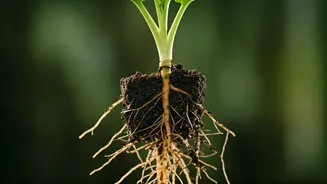
Let’s clear up one thing: this isn't complicated science fiction. Hydroponic gardening is simply the method of growing plants without soil. Instead of roots digging through dirt for sustenance, plants receive a nutrient-rich water solution directly. Compact,
all-in-one systems designed for home use manage this process automatically. They typically include a reservoir for water, a built-in, full-spectrum LED grow light on a timer, and pods where the seeds germinate. A small, quiet pump circulates the water, delivering oxygen and nutrients to the roots, allowing plants to grow faster and more efficiently than in traditional soil. It’s a clean, contained, and surprisingly simple way to bring a garden indoors.
The Ultimate Kitchen Convenience
The most compelling argument for a countertop garden is the immediate access to produce at its absolute peak. Store-bought herbs and greens often travel long distances, losing flavour and nutritional value along the way. With a hydroponic setup, you can harvest exactly what you need, seconds before you use it. This cut-and-come-again approach drastically reduces food waste, as the plant continues to grow after you’ve trimmed it. The result is more flavourful herbs, crunchier lettuce, and the satisfaction of knowing exactly where your food came from. It turns gardening from a weekend project into a daily culinary enhancement, right at your fingertips.
A Greener and Cleaner Way to Eat
Beyond personal convenience, kitchen hydroponics offers significant environmental benefits. These systems are incredibly water-efficient, using up to 90% less water than traditional agriculture because the water is recirculated instead of draining into the ground. Since you are in a controlled indoor environment, the need for chemical pesticides is virtually eliminated, meaning cleaner produce for your family. This also leads to a reduction in plastic packaging from store-bought salads and herbs. By growing even a small portion of your own greens, you are shortening the food chain and taking a small but meaningful step toward a more sustainable lifestyle.
But Is It a Lot of Work?
Any new appliance or gadget requires some attention, and hydroponic systems are no different. However, the maintenance is minimal and often automated. Most systems have indicators that light up when the water level is low or when it’s time to add more liquid nutrients, which is typically every couple of weeks. The primary tasks involve topping up the water and adding the nutrient solution. Occasional cleaning of the reservoir between growth cycles is also necessary to prevent issues like algae. While there is an initial setup cost, the ongoing expenses are minimal. Compared to the daily effort of an outdoor garden, a countertop system is a low-maintenance commitment for a year-round harvest.
Start with the Right Plants
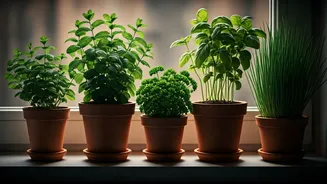
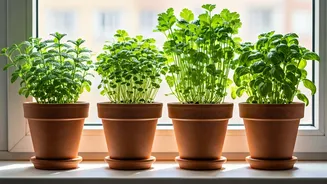
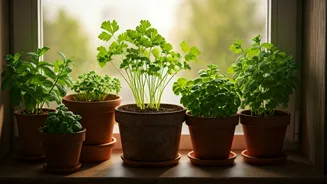
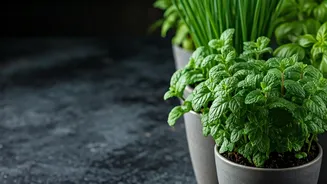
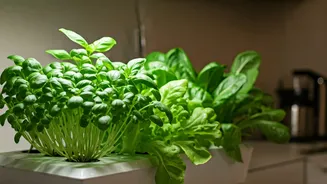
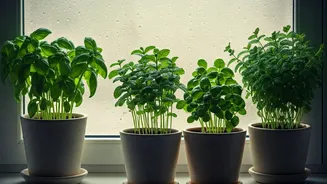
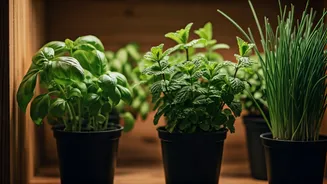
While you can’t grow pumpkins on your counter, the variety of suitable plants is surprisingly vast. For beginners, it's best to start with crops that grow quickly and don't require a large footprint. Leafy greens like lettuce, spinach, and arugula are perfect candidates, often ready for harvesting in just a few weeks. Herbs are another superstar category for countertop hydroponics; basil, mint, parsley, cilantro, and chives all thrive in these systems. These plants not only grow quickly but also benefit from frequent trimming, making them ideal for a kitchen setting where you’ll be regularly snipping them for meals.