




How Clean Floors Can Make Pets Sick
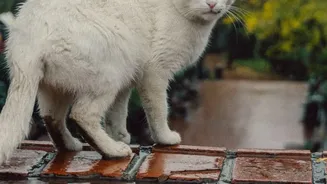
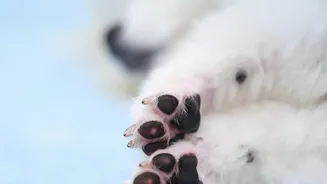
The process is simple and silent. When you mop your floors, a thin layer of cleaning solution is left behind. As your pet walks across the still-damp surface, this chemical residue transfers onto their paw pads and fur. Later, during their natural grooming
routine, they lick their paws, ingesting these potentially toxic substances. Unlike us, our pets don't wear shoes, making them constantly vulnerable to whatever is on the ground. Their smaller body size and proximity to the floor also means they can be more severely affected by both ingested residue and harsh fumes. Over time, this repeated exposure can contribute to skin irritation or more serious internal health issues.
Hazardous Ingredients in Common Cleaners
Many popular household cleaning products in India contain chemicals that are unsafe for pets. It's essential to read the labels and be aware of these common culprits. Phenols, which create the strong 'pine' or antiseptic scent many associate with a clean home, are particularly dangerous, especially for cats whose livers cannot process them effectively. Other ingredients to avoid include ammonia, which can irritate the respiratory system, and bleach (sodium hypochlorite), which can cause burns to paw pads and internal tissues if licked. Quaternary ammonium compounds, often found in disinfectants that promise to 'kill 99.9% of germs', can also cause skin and gastrointestinal irritation. Being a vigilant shopper and knowing what to look for is the first step in creating a safer home environment.
Warning Signs of Chemical Exposure
Since we can't watch our pets every second, knowing the signs of potential poisoning is critical for any pet parent. Symptoms can range from mild to severe. Initial signs often involve the digestive system, such as excessive drooling or foaming at the mouth, vomiting, diarrhea, and a sudden loss of appetite. You might also notice your pet becoming unusually tired or lethargic. Skin contact can lead to red, swollen, or irritated paw pads, causing your pet to lick or chew at them excessively. In more serious cases, or with exposure to stronger toxins, you might see respiratory distress like coughing or wheezing, or even neurological signs like muscle tremors, disorientation, or seizures. If you notice any of these symptoms, especially after a recent cleaning session, it's crucial to seek veterinary help.
Simple Steps for a Safer Cleaning Routine
Protecting your pet doesn't mean you have to stop cleaning your floors. A few simple adjustments to your routine can make all the difference. The most important rule is to keep your pets out of the room until the floor is completely dry. This prevents any contact with wet chemicals. You can confine them to another room or a balcony during and after mopping. When you clean, open windows and turn on fans to ensure good ventilation, which helps dissipate harmful fumes. For extra safety, consider doing a final rinse with a plain water mop after using a chemical cleaner to remove as much residue as possible. Finally, always store cleaning products in a secure cabinet that your curious pets cannot access.
Choosing Pet-Friendly Cleaning Products
The easiest way to ensure your pet's safety is to switch to floor cleaners specifically designed to be non-toxic for animals. A growing number of Indian brands now offer plant-based or bio-enzymatic formulas that are free from harsh chemicals like phenols, bleach, and ammonia. Look for products explicitly labelled as 'pet-safe' or 'vet-approved'. These cleaners use gentle, effective ingredients that won't harm your pet even if they accidentally walk on a wet spot. Alternatively, you can create your own effective cleaning solution at home. A simple mixture of white vinegar and water is a fantastic, non-toxic option for most floor types. It cuts through grease and grime without leaving behind a trail of dangerous chemicals.