




Understanding the Smoke Point
Every oil has a 'smoke point,' the temperature at which it stops shimmering and starts smoking. When an oil is heated past this point, its fats begin to break down. This process not only creates a burnt, unpleasant flavour but also releases harmful compounds
called free radicals and acrolein. These can damage your food's nutritional value and, if consumed regularly, may pose health risks. Traditional Indian fats like ghee (around 250°C) and refined mustard oil (around 220-250°C) have high smoke points, making them ideal for the high-heat cooking common in our kitchens. In contrast, oils like extra virgin olive oil have a lower smoke point (around 160-190°C) and are better suited for drizzling or low-heat applications.
Match the Oil to Your Cooking
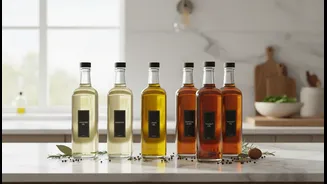
Indian cooking is not one-size-fits-all, and neither is our oil usage. The secret is to match the oil's smoke point to your cooking method. For high-heat techniques like deep-frying samosas, puris, or pakoras, you need an oil with a high smoke point that remains stable. Refined groundnut oil (around 230°C), sunflower oil (225°C), and ghee (250°C) are excellent choices. For everyday cooking like making sabzis, tadkas, or stir-fries, which happen at medium-high heat (160-200°C), cold-pressed groundnut, coconut, and mustard oils work beautifully. The traditional practice of heating mustard oil until it's just below smoking point serves a purpose: it mellows the oil's sharp pungency. Finishing oils, like a drizzle of extra virgin olive oil on a salad or a spoonful of raw sesame oil on a chutney powder, are all about flavour and should not be heated.
The Dangers of Reusing Cooking Oil
While it might seem economical to save and reuse cooking oil, it's a habit that carries significant health risks. Each time an oil is heated, its chemical structure changes and its smoke point lowers. Repeated heating promotes the formation of harmful substances, including trans fats and potentially carcinogenic compounds like polycyclic aromatic hydrocarbons (PAHs). These compounds can contribute to inflammation, increased blood pressure, and a higher risk of heart disease and other chronic illnesses. If you notice the oil has darkened, become thick and sticky, smells off, or foams when heated, it is spoiled and must be discarded. While sparingly reusing oil once or twice after filtering might be acceptable for some, experts strongly advise against making it a regular practice to protect your long-term health.
Storage and Stability Matter Too
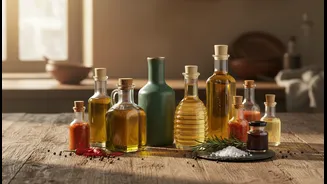
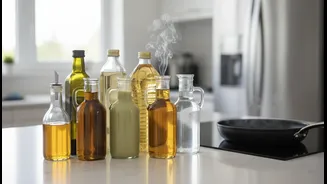
How you store your oil is just as important as how you cook with it. Exposure to the three enemies of oil—light, heat, and air—can cause it to go rancid long before its expiry date. Rancid oil not only tastes bad but can also contain harmful byproducts. To preserve the freshness and nutritional quality of your cooking oils, always store them in a cool, dark place, like a closed kitchen cabinet, away from the stove and sunlight. Ensure the cap is tightly sealed after each use to minimize contact with oxygen. While it may be convenient to keep your oil bottle right next to the hob, the constant exposure to heat will degrade it much faster. Proper storage ensures that the oil you paid for performs its best from the first drop to the last.