

The Time-Crunched Kitchen
In urban India, the rhythm of life has changed. Dual-income households, demanding careers, and long commutes mean that time is the most precious commodity. The leisurely cooking sessions that defined a previous generation’s kitchen are now a weekend luxury,
if that. For many young professionals and families, weeknight dinners are a frantic puzzle. The desire for wholesome, traditional Indian food remains strong, but the hours required to source ingredients and prepare complex dishes from scratch have become a significant barrier. This has created a powerful tension between cultural-culinary identity and modern-day reality, pushing consumers to seek solutions that don't force a choice between a quick meal and a flavourful one.
From Instant Noodles to 'New Convenience'
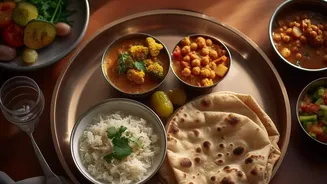
For years, “convenience food” meant instant noodles, sugary cereals, or frozen meals that often sacrificed authentic taste and nutrition for speed. While these products filled a gap, they rarely satisfied the craving for genuine Indian flavours. But the market has matured. Today, a new category of convenience is booming, driven by startups and established brands that understand the modern Indian consumer's core demand: the taste of home, but faster. This includes everything from ready-to-cook (RTC) meal kits with pre-portioned spices and fresh ingredients to high-quality ready-to-eat (RTE) meals that preserve the integrity of regional recipes. The Indian meal kit market is projected to grow at a significant rate, reflecting a clear shift towards solutions that simplify cooking without dumbing it down.
The Secret Ingredient: Authenticity
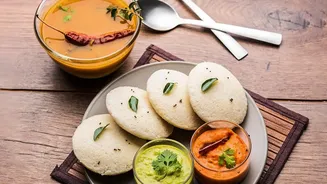
What makes this new wave of convenience foods successful is its relentless focus on authenticity. Companies are investing heavily in food technology like freeze-drying to retain the texture, aroma, and nutritional value of home-cooked meals. Instead of generic 'curry' flavours, brands are offering specific, regional specialities like Hyderabadi biryani, Kerala seafood dishes, and Punjabi dal makhani. Startups like ID Fresh Food, with its preservative-free dosa and idli batter, and Box8, with its all-in-one desi meals, have built trust by delivering freshness and traditional taste in a modern format. This commitment to regional diversity and quality ingredients is convincing consumers that convenience no longer means compromise.
More Than Just Meals
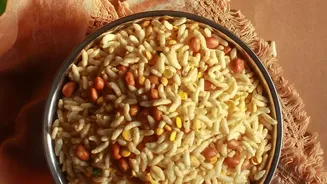
The redefinition of the Indian meal extends beyond the main course. The snacking culture is also undergoing a healthy and convenient revolution. Traditional snacks like makhana (foxnuts) are being repackaged as flavoured, protein-rich alternatives to potato chips. Millet-based products, from dosa mixes to pancakes, are making a comeback, positioned as superfoods for health-conscious families. This trend is about rediscovering traditional Indian ingredients and adapting them for a modern palate that values both wellness and convenience. The focus is on clean labels, transparent sourcing, and creating products that are both indulgent and nutritious, fitting seamlessly into busy lives.