





The Spirit of Chaturmas Eating
The four holy months of Chaturmas, which in 2026 begin on July 25th and end on November 20th, are a time for spiritual introspection and devotion. A key aspect of this observance is the adoption of a sattvic diet, which is meant to purify the body and calm
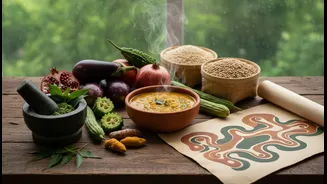
the mind. This typically involves avoiding foods considered tamasic (heavy, dulling) or rajasic (stimulating), such as onions, garlic, meat, and certain spices. The Ayurvedic perspective aligns with this, noting that during the monsoon season our digestive power weakens, making lighter foods a healthier choice. The goal isn't deprivation, but rather to foster harmony and mindfulness, starting with what's on our plate.
Master Your Pantry Essentials
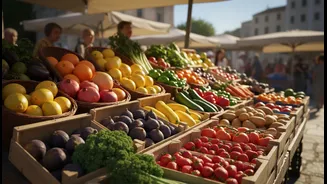
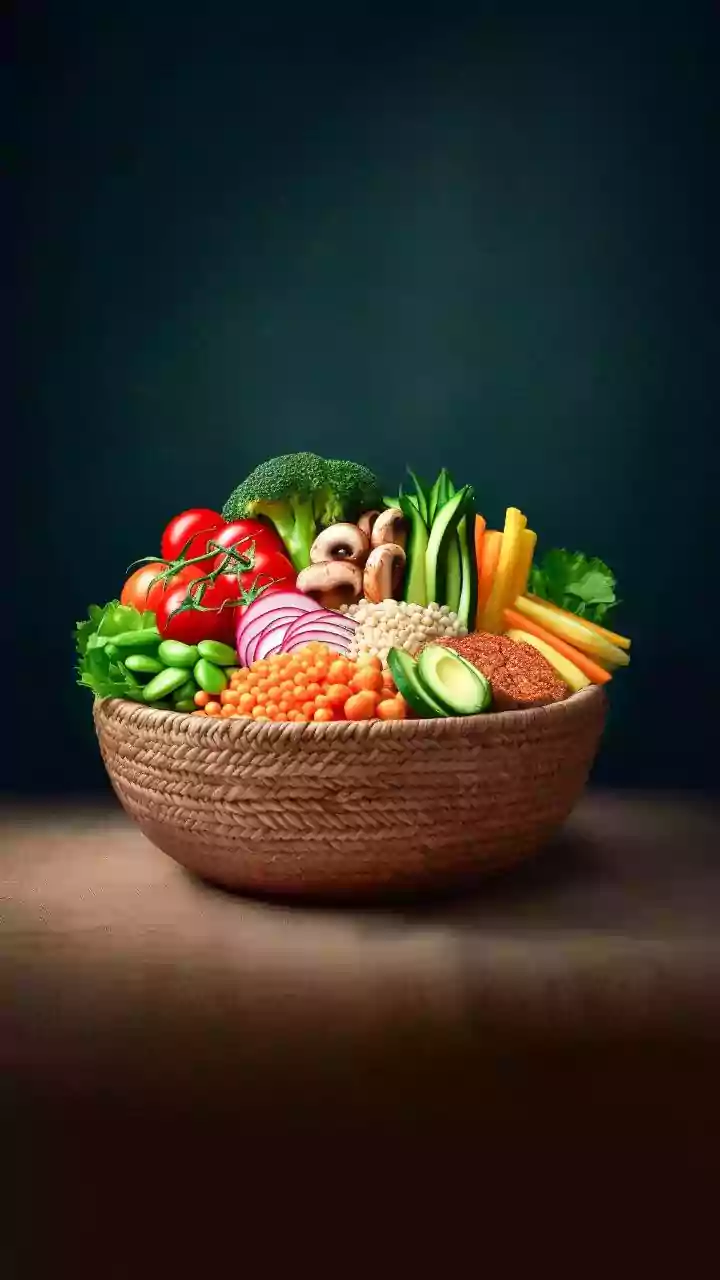
The secret to rich-tasting food lies in mastering the ingredients you can use. This period is an invitation to explore a different side of your kitchen. Focus on high-quality staples. Ghee, or clarified butter, becomes a star player, lending a nutty, rich flavour to everything it touches. Rock salt (sendha namak) replaces regular table salt, offering a milder, purer taste. Flours like amaranth (rajgira), buckwheat (kuttu), and water chestnut (singhara) become the base for nourishing rotis, puris, and even baked goods. Dairy products like paneer and fresh yogurt (when permitted) add creaminess and protein, while a variety of seasonal vegetables and fruits provide natural sweetness and texture.
Techniques That Add Richness
Richness isn't always about expensive ingredients; it's often about technique. Slow-cooking a simple vegetable curry allows flavours to deepen and meld, creating a complex taste from basic spices like cumin, ginger, and black pepper. Roasting vegetables like sweet potato or pumpkin caramelises their natural sugars, intensifying their flavour. You can also create richness through texture. Toasted nuts and seeds, like peanuts or cashews, add a satisfying crunch and healthy fats to dishes like sabudana khichdi. A final swirl of ghee into a dal or sabzi just before serving, known as a 'tarka', can elevate the entire dish with a final burst of aroma and flavour.
Flavourful Ideas for Your Table
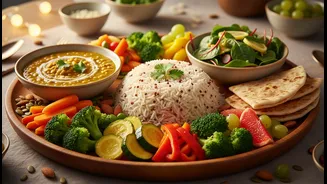
Putting it all together, your Chaturmas menu can be surprisingly diverse and delicious. Think beyond the bare minimum and get creative. Start your day with soft rajgira parathas served with a simple, tangy potato curry made without onion or garlic. For lunch, a creamy Dahi Aloo, where potatoes are simmered in a spiced yogurt gravy, can be incredibly comforting. Snacks can be exciting too; instead of plain fruit, try a sweet potato chaat with a drizzle of tamarind and a sprinkle of rock salt. Phool makhana (fox nuts), when roasted in ghee until crisp, make for a light yet satisfying snack. For a truly rich dessert, a lauki halwa made with grated bottle gourd, milk, sugar, and ghee is a classic that feels utterly decadent.
Mindful Eating: The Ultimate Luxury
Ultimately, the feeling of richness during Chaturmas comes from a shift in mindset. It’s about finding joy in simplicity and being fully present with your food. Eating without the distraction of screens, savouring each bite, and appreciating the colours, textures, and aromas on your plate can transform a simple meal into a luxurious experience. This period encourages us to reconnect with our food and the spiritual purpose behind our choices. When you eat with intention and gratitude, even the most basic ingredients can nourish you on a much deeper level, making every meal feel like a special occasion.