



The Details of the Price Hike
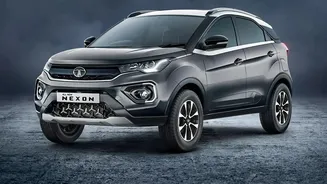
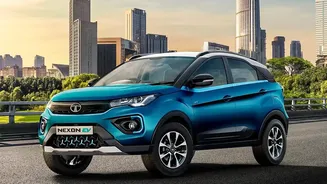
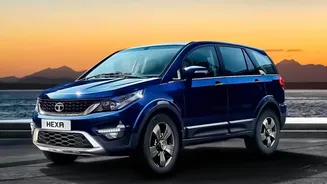
On August 21, 2026, Tata Motors Passenger Vehicles announced it will increase prices across its entire portfolio, including both internal combustion engine (ICE) and electric vehicles (EVs). The hike, which comes into effect on September 1, 2026, will be up
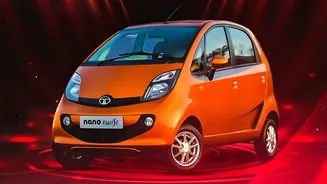
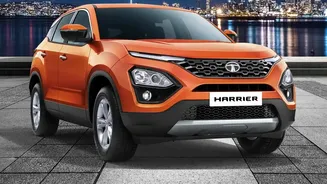
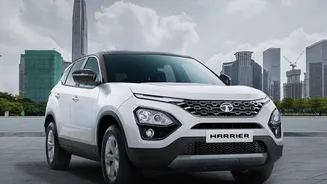
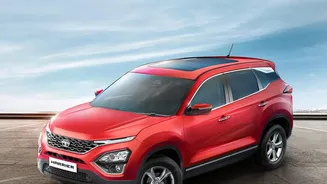
to ₹25,000. It's important to note this is not a flat increase. The company has clarified that the quantum of the price rise will vary depending on the specific model and variant. This typically means entry-level models like the Tiago may see a more modest increase, while top-end variants of SUVs like the Harrier and Safari could see a revision closer to the ₹25,000 mark. The company has not yet released a detailed list of new prices for each variant.
Why Are Prices Increasing Again?
This is the third time Tata Motors has increased its passenger vehicle prices in 2026 alone, following hikes in April and July. In its official statement, the company cited the need to "partially offset the impact of rising input costs and sustained inflationary pressures." This is a common theme across the automotive industry. Carmakers are dealing with higher prices for raw materials like steel and aluminum, as well as increased operational expenses. While Tata Motors stated that it continues to absorb a significant portion of these added costs, it is passing a part of the burden onto customers to protect its margins, which were heavily impacted in the first quarter of the financial year.
This Is an Industry-Wide Trend
Tata Motors is not acting in isolation. India's largest carmaker, Maruti Suzuki, also raised prices across its models by up to ₹30,000 in August 2026. Similarly, Hyundai Motor India announced just days before Tata that it would be increasing prices by up to 1% from September, also marking its third hike of the year. This coordinated movement by the country's top automakers signals a broader challenge. Persistent cost pressures, supply chain issues, and macroeconomic uncertainties are making it increasingly difficult for companies to absorb costs without impacting the final sticker price for consumers.
What This Means for Your Wallet
An increase of up to ₹25,000 might seem manageable on a high-end SUV, but its impact is felt more broadly. A higher ex-showroom price directly increases the on-road cost, which includes taxes, registration, and insurance. This, in turn, can affect your car loan. A larger loan principal means you will pay more in total interest over the loan's tenure, potentially increasing your Equated Monthly Instalment (EMI). For buyers on a strict budget, this could mean stretching their finances, settling for a lower variant, or increasing their down payment to keep monthly payments the same.
A Buyer's Strategy Before September
With the price hike set for September 1, prospective buyers have a small window of opportunity. If you have already decided on a Tata model and variant, it would be financially prudent to complete the booking and billing before the end of August to lock in the current prices. However, this is subject to dealer stock availability. For those still in the research phase, this news serves as an important budget consideration. It may be wise to check for any existing offers or discounts on the current stock at local dealerships. As the festive season approaches, a time when sales are crucial, some dealers may offer schemes to clear inventory before the new prices kick in. The best course of action is to contact your nearest dealer to understand the exact price increase for your desired model and inquire about any available benefits before the deadline.