


From Plant Parents to Ecosystem Curators
The movement towards home gardening in Indian cities, which boomed during the pandemic, has matured. What started as a desire to nurture a succulent or grow some coriander has blossomed into a more conscious form of urban greening. Younger generations,
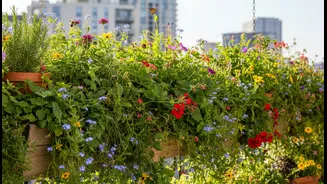
in particular, are looking for a deeper connection with nature amidst their concrete surroundings. They are finding that cultivating a garden is not just about aesthetics, but about creating a living, breathing ecosystem. This shift is driven by a search for mental wellness, a tangible way to combat eco-anxiety, and the simple joy of watching life thrive. It’s a move from passive plant ownership to active environmental participation, one balcony at a time. And the most beautiful and visible reward for this effort is the arrival of butterflies.
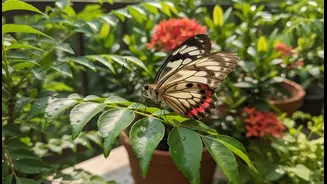
Why Your Garden Needs Butterflies
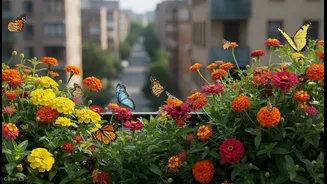
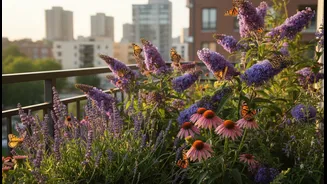
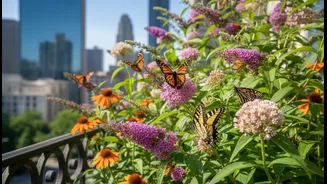
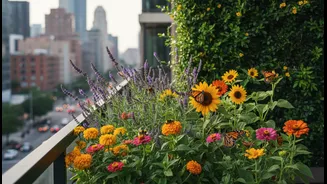
Attracting these winged jewels is about much more than their visual appeal. Butterflies are vital pollinators. As they flit from flower to flower sipping nectar, they transfer pollen, which is essential for many plants, including fruits and vegetables, to produce seeds. Their presence is a key indicator of a healthy and balanced environment. A garden that successfully attracts butterflies will likely also support native bees and birds, boosting local biodiversity. By creating a small haven for them, you are contributing to a larger ecological network, helping to support species whose natural habitats are shrinking. In essence, a single pot of the right flowers on a 13th-floor balcony can become a crucial pitstop for these important creatures.
The Two-Part Welcome Mat
To create a truly thriving butterfly garden, you need to think like a butterfly. This means providing for their entire life cycle. It's a common mistake to only plant bright, nectar-rich flowers. While these are essential, they only serve the adult butterflies. To keep them around and encourage a new generation, you also need 'host plants'. These are the specific plants that caterpillars feed on. Different butterfly species have different host plant preferences for laying their eggs. A successful garden, therefore, needs both a restaurant (nectar plants) and a nursery (host plants). Without the latter, butterflies will visit for a meal but fly elsewhere to start a family.
Nectar Plants: A Buffet for Butterflies
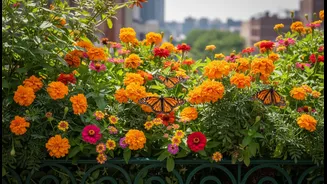
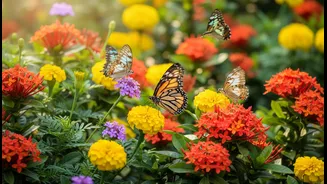
These are the plants that provide the high-energy nectar adult butterflies need to fly. They are typically colourful and easy to grow in pots. Start with a few of these:Lantana: A hardy, sun-loving plant with clusters of small flowers in vibrant colours. It's a butterfly magnet and blooms profusely with minimal care.Ixora: With its bright bunches of red, orange, or yellow flowers, Ixora is a favourite for many butterfly species. It thrives in warm weather and does well in large pots with good drainage.Marigold (Genda): A staple in Indian households, marigolds are not just for festivals. Their bright yellow and orange blooms are an excellent source of nectar. They love the sun and are easy to grow from seed.Pentas: Named for their five-petaled, star-shaped flowers, Pentas bloom in clusters and are brimming with nectar. They come in shades of pink, red, and purple, adding a splash of colour to any space.
Host Plants: Building the Next Generation
These plants are the foundation of your butterfly ecosystem, providing food for caterpillars. Don't be alarmed if you see chewed leaves—it's a sign of success!Curry Leaf (Kadi Patta): A must-have in every Indian kitchen, this plant is also the primary host for the beautiful Common Mormon butterfly. The caterpillars feast on its aromatic leaves.Citrus Plants (Lemon/Lime): Any variety of citrus plant in a pot can serve as a host for the stunning Lime Butterfly. Their caterpillars are cleverly camouflaged to look like bird droppings in their early stages.* Calotropis (Milkweed): This common roadside plant is a powerhouse for attracting Plain Tiger and other Tiger butterflies. While it may not have the refined look of a nursery plant, its role in the butterfly life cycle is indispensable.
Creating the Perfect Habitat
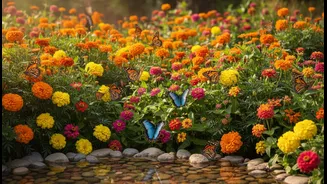
Beyond the right plants, a few simple tweaks can make your space even more inviting. First, ensure your plants get plenty of sunshine, as butterflies are cold-blooded and need warmth to fly. Second, completely avoid chemical pesticides and insecticides. These are lethal to caterpillars and adult butterflies. Opt for organic solutions if you have pest problems. Finally, consider adding a shallow dish of water with some pebbles or sand. This 'mud-puddling' station allows butterflies to drink water and absorb essential minerals. You can even place overripe fruit like bananas or papayas out for certain species that prefer them over nectar.