



Embrace the Art of Layering
The cornerstone of any multi-climate packing strategy is layering. Instead of packing bulky, single-purpose items like a heavy winter coat and a separate beach cover-up, focus on thin, versatile layers that can be combined or worn alone. The goal is to create
a system where each piece works with the others. Think lightweight long-sleeve tops, thermal base layers, and cardigans. For warmer destinations, these pieces can be worn individually. When the temperature drops, you can combine them to create a warm, insulated outfit without the bulk of a traditional winter wardrobe. A scarf is a non-negotiable accessory; it can serve as a wrap on a chilly plane, a stylish addition to an evening outfit, or even a head covering in the sun.
Choose Your Fabrics Wisely
Fabric choice is critical when every gram counts. Merino wool is a multi-climate superstar because it regulates body temperature, keeping you warm in the cold and cool in the heat. It’s also naturally moisture-wicking and odor-resistant, meaning you can wear items multiple times before washing. Other smart choices include technical fabrics that are moisture-wicking, lightweight cotton or linen for heat, and fleece for a light mid-layer. For cold weather, instead of a thick wool sweater, opt for a thin merino wool base layer paired with a lightweight fleece. This combination provides excellent warmth with a fraction of the weight and packing space.
The Power of a Packable Puffer
One of the most valuable items in a multi-climate bag is a packable down or synthetic puffer jacket. These jackets offer an incredible warmth-to-weight ratio and can be compressed into a tiny pouch, taking up minimal space in your luggage. Look for ultralight models that can function as your primary cold-weather jacket when layered over a sweater or fleece. Worn on its own, it’s perfect for cool evenings. When selecting one, consider its weight and packability; some models are so light they feel almost weightless, making them a perfect fit for a 7kg limit.
Build a Neutral Capsule Wardrobe
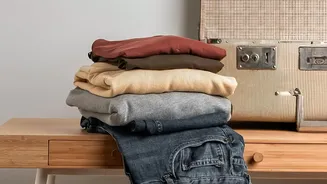
To ensure maximum versatility, build your travel wardrobe around a neutral color palette. Choose two or three core neutral colors like black, navy, grey, or beige for your main items like trousers, jackets, and shoes. Then, add a couple of accent colors through your tops and accessories. This approach guarantees that every item of clothing can be mixed and matched with almost every other item, creating dozens of potential outfits from just a handful of pieces. A pair of dark, comfortable trousers or jeans can be worn for daytime sightseeing and dressed up for dinner, serving multiple purposes.
Strategic Footwear Selection
Shoes are often the heaviest and bulkiest items in a suitcase, so choosing wisely is essential. For most multi-climate trips, three pairs are the maximum you should consider. The first rule is to wear your bulkiest pair—likely a comfortable, waterproof boot or sturdy sneaker—on the plane. This saves a significant amount of weight and space in your bag. The other two pairs should be lightweight and versatile. Consider a pair of comfortable flats or loafers that can be dressed up or down, and a pair of sandals or slip-ons for warm weather and hotel lounging. Separating shoes and tucking them into the corners of your suitcase can help distribute weight and fill empty spaces.
Master Your Packing Technique
How you pack is just as important as what you pack. Using packing cubes is a game-changer for organization and compression. Grouping items by category—tops in one, bottoms in another—makes it easy to find what you need without disrupting your entire bag. For even more space-saving, consider compression packing cubes, which have an extra zipper to squeeze out excess air. The rolling method is generally superior to folding for soft items like t-shirts and leggings, as it minimizes wrinkles and allows you to pack items more densely. Heavier items and cubes should always be placed at the bottom of your suitcase, near the wheels, to keep it stable.