


What Exactly Is a 'Special' Train?
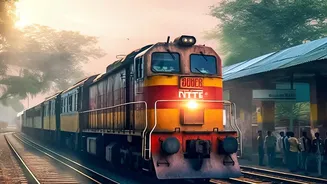
A special train is a temporary service introduced by Indian Railways to handle the surge of passengers during peak times like Diwali, Chhath Puja, or summer holidays. Unlike regular trains which run on a fixed annual schedule, these are deployed on high-demand
routes for a limited period. The easiest way to identify them is by their number: special trains have a five-digit number that starts with '0', while most regular long-distance trains start with '1' or '2'. They are created using spare or idle train coaches to add capacity where it's needed most.
Booking Window: Plan Ahead vs. Last Minute
This is one of the most significant differences. Regular trains allow you to book up to 120 days in advance, giving you ample time to plan. Special trains, however, are often announced at much shorter notice. Their booking window might open just 15 to 30 days before the journey date, making them a good option if you've missed the 120-day bus for regular services. Keep an eye on announcements from Central and Western Railways, as these tickets get booked within hours of release.
The Fare Factor: Expect to Pay a Premium
Convenience comes at a cost. Special trains are almost always more expensive than their regular counterparts. They include a 'special charge' that can increase the base fare by 10% to 30%, making them comparable to Tatkal tickets on regular trains. This higher price is because they are considered a premium service to manage extra rush. Furthermore, concessions for senior citizens and students are generally not applicable on these trains, so you will be paying the full, higher fare.
Routes, Timings, and Punctuality
Special trains are deployed on the busiest routes, like Mumbai to Gorakhpur, Kerala, or Goa, but their schedules can be less than ideal. They are often slotted in between the schedules of regular trains. This means they are given lower priority on the tracks and may be held at stations to allow premium trains like the Rajdhani or Shatabdi to pass. Consequently, delays of several hours are not uncommon, a crucial factor if your travel is time-sensitive. While they might have fewer commercial stops to cover the distance faster, the operational halts can extend the journey time significantly.
Onboard Comfort and Amenities
Despite the 'special' tag and higher fares, don't expect a more luxurious experience. The coaches used are typically standard ones from the railway's existing fleet. The amenities provided, including the availability of a pantry car, are usually the same as you would find on a regular Mail or Express train. The main 'feature' of a special train is simply the availability of a berth on a route that is otherwise completely sold out. The experience is about securing a journey, not enhanced comfort.
Cancellation and Refund Rules
Cancellation policies for special trains generally follow the same slab system as regular confirmed tickets. However, the 'special charge' component of the fare is often non-refundable. This means that if you cancel, the amount you get back might be lower than what you would receive for a cancelled regular train ticket. If you have a waitlisted e-ticket on a special train and it does not get confirmed, it will be automatically cancelled after the chart is prepared, and you will receive a full refund.