




Riding the Rails: More Than a Journey
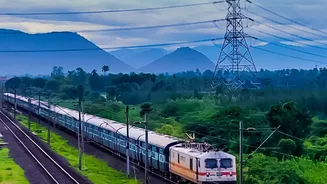
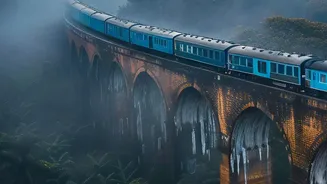
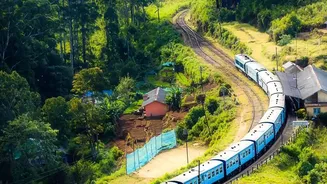
In Sri Lanka, train travel isn't just about getting from A to B; it is a core part of the experience. The country's railway network, much of it built during the British colonial era, winds through some of the most breathtaking landscapes imaginable. For
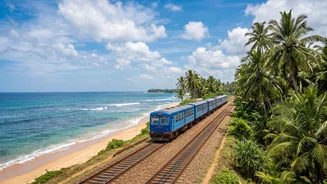
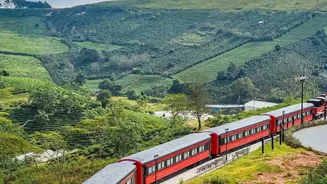
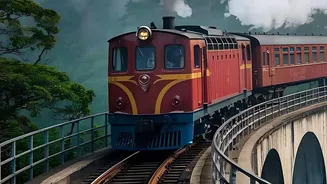
the price of a local meal, you can hang out of an open doorway and watch a world of emerald tea plantations, cascading waterfalls, and vibrant villages roll by. The journey itself becomes the destination. The most celebrated route is the seven-hour trip from Kandy to Ella, frequently listed among the world's most beautiful train rides. Another favourite is the coastal line from Colombo to Galle, where the tracks run so close to the Indian Ocean you can almost taste the salt. This is high-value travel: maximum experience for a minimal cost.
Booking Your Ticket: The Inside Track
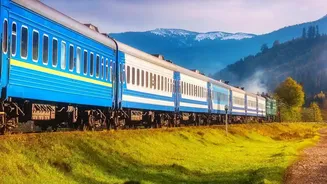
The magic of Sri Lankan trains is no secret, and popular routes sell out fast. Here's how to navigate the system like a pro. Tickets come in three main classes. First class offers air-conditioning but often has sealed windows, limiting the open-air experience. Second and third class have comfortable seats (or benches in third), open windows, and are where you’ll find the best blend of local life and traveller camaraderie. For popular journeys like Kandy to Ella, booking a reserved seat is highly recommended. Sri Lanka Railways releases tickets 30 days in advance, and they can be snapped up quickly by tour agencies. While third-party online platforms like 12Go Asia are convenient, they come with a markup. For the truly spontaneous and budget-conscious, unreserved carriages are an option. Tickets are sold at the station on the day of travel, but be prepared to stand during peak times.
Heritage Stays: Charm on the Cheap
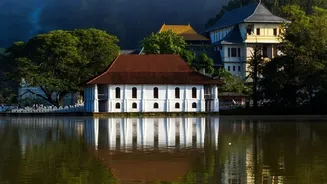
The term "heritage hostel" might not be official, but the spirit of it is everywhere in Sri Lanka. It refers to the growing number of guesthouses and small hotels set within beautifully restored colonial bungalows, traditional ancestral homes, and old merchant houses. These places offer character and history that modern concrete buildings simply can't match. You might find yourself sipping tea on a wide veranda overlooking a garden in Nuwara Eliya or staying in a Dutch-era building within the walls of Galle Fort. These stays provide far more than just a bed; they offer a connection to the island's past. While luxury boutique hotels have mastered this aesthetic, a growing number of family-run guesthouses offer a similar atmosphere for a fraction of the price, often including a home-cooked breakfast.
Finding Your Heritage Haven
Locating these atmospheric budget stays requires a bit of savvy searching. While some are on major booking websites, many of the best gems are found through local recommendations or by looking for descriptive keywords. When searching, use terms like "colonial," "bungalow," "ancestral home," or "heritage villa." Towns like Galle, Nuwara Eliya, and Kandy are hotspots for this type of accommodation. In Galle Fort, for example, many historic Dutch and British buildings have been converted into guesthouses. Don't be afraid to look just outside the main tourist hubs, where you might find a stunning old house with a welcoming family for the same price as a generic city hostel. Homestays are particularly rewarding, offering not just a room but also priceless local advice and delicious home-cooked meals.