

For decades, bringing pristine samples of Mars back to Earth has been a top priority for planetary scientists. But with the original plan now deemed too slow and expensive, NASA is hitting reset, asking for a new, innovative approach.
Why Bring Rocks Back From Mars?
The scientific prize
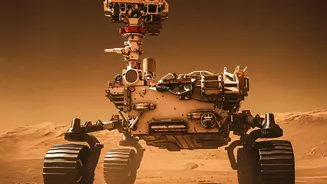
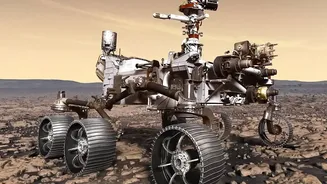
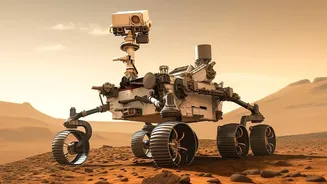
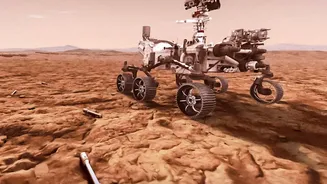
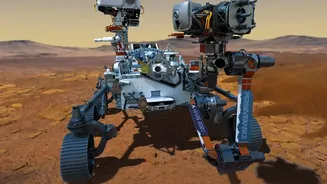
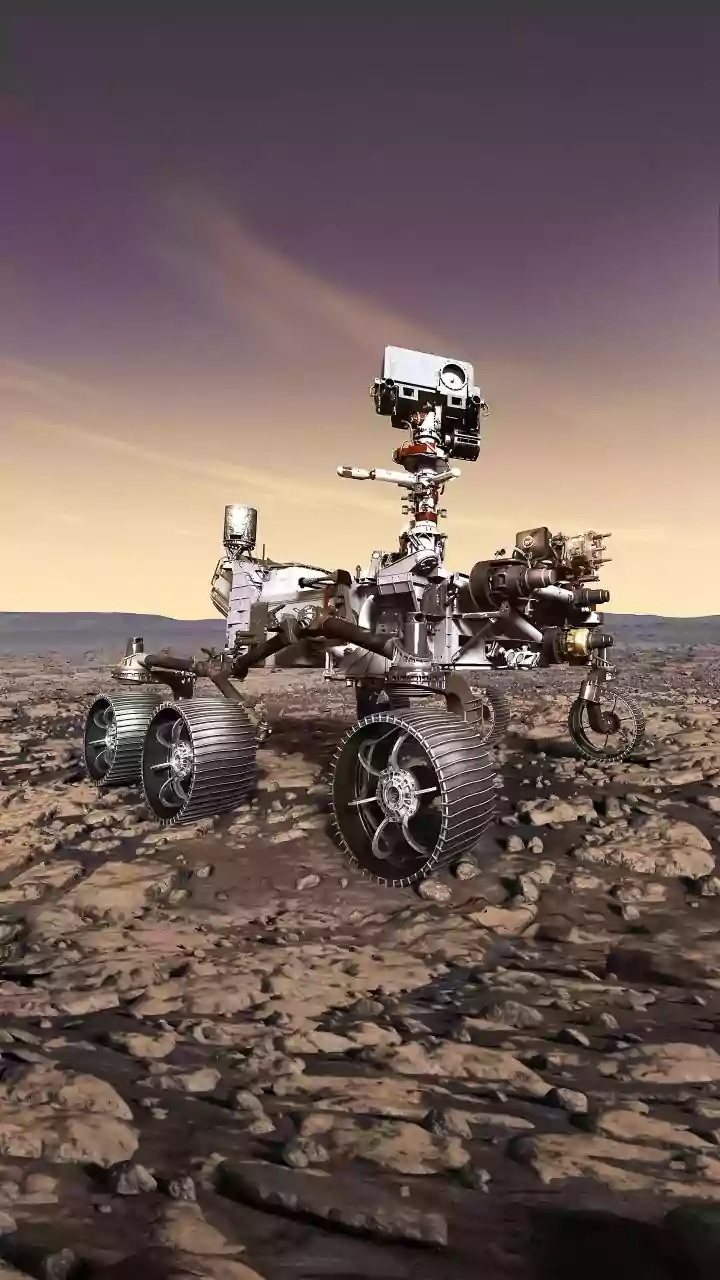
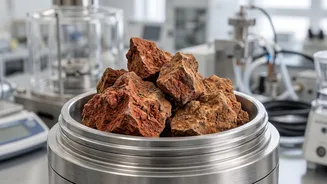
is immense. Since 2021, NASA's Perseverance rover has been drilling into an ancient river delta on Mars, collecting rock and soil samples that could hold the key to one of science's biggest questions: was there ever life on Mars? While rovers can perform basic analysis on the surface, studying these samples in advanced laboratories on Earth would be a game-changer. Scientists believe this level of in-depth testing is necessary to confirm any potential signs of ancient microscopic life and to better understand the planet's history, climate, and potential hazards for future human astronauts.
The Initial, Ambitious Plan
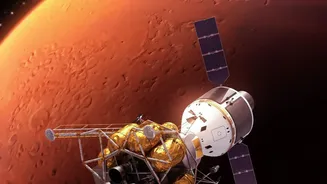
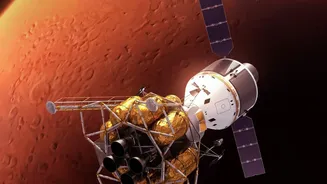
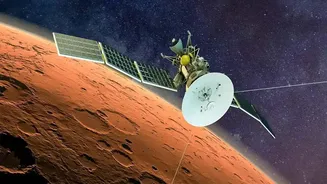
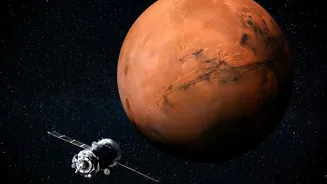
The original Mars Sample Return (MSR) mission, a joint effort with the European Space Agency (ESA), was a multi-stage, technologically daring campaign. It involved the Perseverance rover collecting samples, which would then be picked up by a separate Sample Retrieval Lander. This lander would carry a small rocket, the Mars Ascent Vehicle (MAV), to launch the samples into Martian orbit. There, an ESA-built Earth Return Orbiter would capture the sample container and fly it back to Earth, a journey of over 33 million miles. It was a plan involving the first-ever launch from another planet and the first robotic rendezvous in another planet's orbit.
An 'Unrealistic' Budget and Timeline
In 2023, the ambitious plan began to unravel. An independent review board appointed by NASA delivered a stark assessment: the mission was established with 'unrealistic budget and schedule expectations from the beginning'. The report highlighted that the mission's complexity and unwieldy management structure had led to ballooning costs. Projections soared from earlier estimates to a potential $8 billion to $11 billion, with a return date pushed back to 2040. NASA Administrator Bill Nelson declared this timeline 'too far away' and the price tag 'too expensive', stating the existing plan was not viable, especially given the need to avoid gutting other science projects.
A Call for New Ideas
Faced with these challenges, NASA announced a major pivot. Instead of proceeding with the confirmation of the original design, the agency put the plan on hold and issued a call for new, faster, and cheaper concepts. This solicitation for ideas was extended to NASA's own centers and, crucially, to private industry partners. The goal is to find a mission architecture that can return the samples sometime in the 2030s for a more manageable cost, capped at around $7 billion. This new effort, dubbed the Perseverance Sample Retrieval Architecture (PSRA), kicked off a process to evaluate alternative strategies.
What a New Mission Could Look Like
NASA is now reviewing studies from multiple industry and internal teams to chart a new path forward. The proposals are expected to leverage innovation and proven technologies to reduce complexity and risk. Some concepts from industry players like Lockheed Martin have already been floated, suggesting architectures that could be delivered for less than half of the previous high-end estimates by using existing spacecraft designs. The review team is tasked with recommending a primary architecture, along with new cost and schedule estimates, with a final report expected in the winter of 2027-2028. Meanwhile, China is proceeding with its own Mars sample return mission, Tianwen-3, which aims to launch around 2028 and return samples by 2031, adding a competitive dynamic to NASA's strategic rethink.