







Our Weather is Becoming More Extreme
The familiar rhythm of India’s monsoon is changing. While the season has always been a defining feature of the subcontinent, recent years have seen a shift towards more erratic and intense weather events. [2, 4] Climate experts note that even with predictions
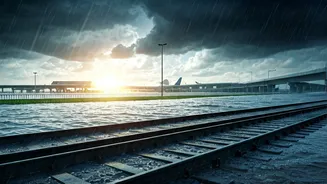
of a below-normal monsoon overall for 2026, the real story is in the variability. [2, 3] We are experiencing a pattern where deluges are concentrated into shorter, more violent bursts, rather than sustained periods of rain. [4] This leads to a dual threat: prolonged dry spells punctuated by sudden, fierce thunderstorms that can cause flash flooding and disruptions, especially in urban centres like Mumbai, Delhi, and Bengaluru. [2, 5] This increasing frequency of extreme weather, from intense downpours to severe thunderstorms, means that being caught unprepared is no longer just an inconvenience—it's a significant risk to our property, plans, and even safety. [11, 17]
The Rise of the Waterproof Fortress
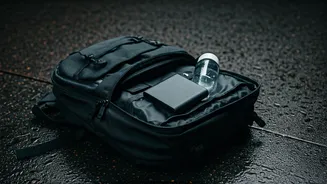
The humble backpack is getting a serious upgrade. In response to sudden deluges, many Indians are now investing in fully waterproof or highly water-resistant bags. Gone are the days of simply hoping for the best with a standard canvas or leather bag. Today, the focus is on roll-top backpacks, bags made from PVC-coated fabrics, and even lightweight dry bags—once the preserve of outdoor adventurers—which are now becoming commuter essentials. [9, 13] These bags provide a crucial line of defence for expensive electronics, important documents, and other valuables. Inside these fortified exteriors, smaller waterproof pouches are also gaining popularity for organising and double-protecting items like phones, wallets, and chargers, ensuring that even if the outer bag gets damp, the most critical items remain perfectly dry. [7]
Powering Through the Outage
A severe thunderstorm doesn't just bring rain; it often brings power cuts. This reality has turned the power bank from a handy travel accessory into a non-negotiable part of the daily carry. With a growing reliance on smartphones for everything from digital payments to navigation and work communication, being left with a dead battery during a disruption is a modern-day nightmare. [26] Consequently, the Indian power bank market is seeing significant growth, with a clear trend towards higher-capacity models (10,000 mAh and above) that can offer multiple charges. [23, 24] Commuters now prioritise carrying a fully charged, reliable power bank to ensure they can stay connected, call for help, or arrange alternative transport if stranded due to weather-related delays.
Beyond the Basic Umbrella
While the umbrella remains a monsoon staple, its limitations during a fierce, windy downpour are obvious. This has led to a surge in sales of more robust rain gear. High-quality, full-length ponchos that cover both the person and their backpack are becoming increasingly common. On e-commerce platforms, demand for raincoats has seen a significant spike during monsoon months, as people look for practical, hands-free protection. [14] Another smart adaptation is the rise of waterproof shoe covers—lightweight, foldable protectors that can be slipped over regular footwear to navigate waterlogged streets without ruining expensive shoes or arriving at the office with soggy feet.
The 'Just-in-Case' Micro-Kit
The unpredictability of getting home during a storm has also inspired a more prepared mindset. Many are now curating small 'just-in-case' kits within their daily bags. These often include essentials for unexpected delays or minor emergencies. A basic first-aid kit with antiseptic wipes and plasters for navigating slippery surfaces is common. [18] Hand sanitiser, insect repellent for humid conditions, and a few non-perishable snacks like protein bars are also finding their way into daily packs. [18, 22] This small collection of items reflects a shift in thinking—from simply carrying what you need for the day to carrying what you might need if the day doesn't go as planned.