



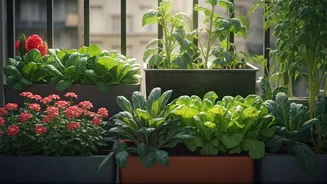


A Balcony-Sized Revolution
From Bengaluru’s high-rises to Mumbai’s compact apartments, a significant cultural shift is underway. Kitchen gardening, once a pastime for those with sprawling homes, has been enthusiastically adopted by a new generation of urban Indians. This isn't
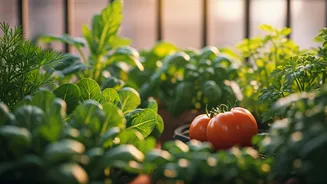
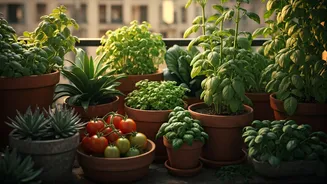
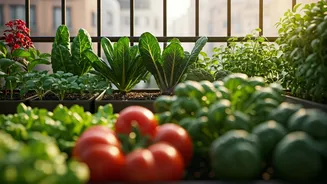
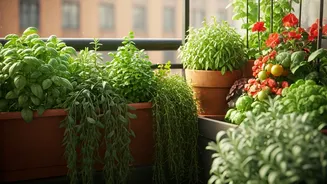
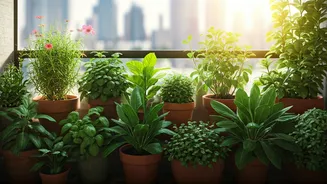
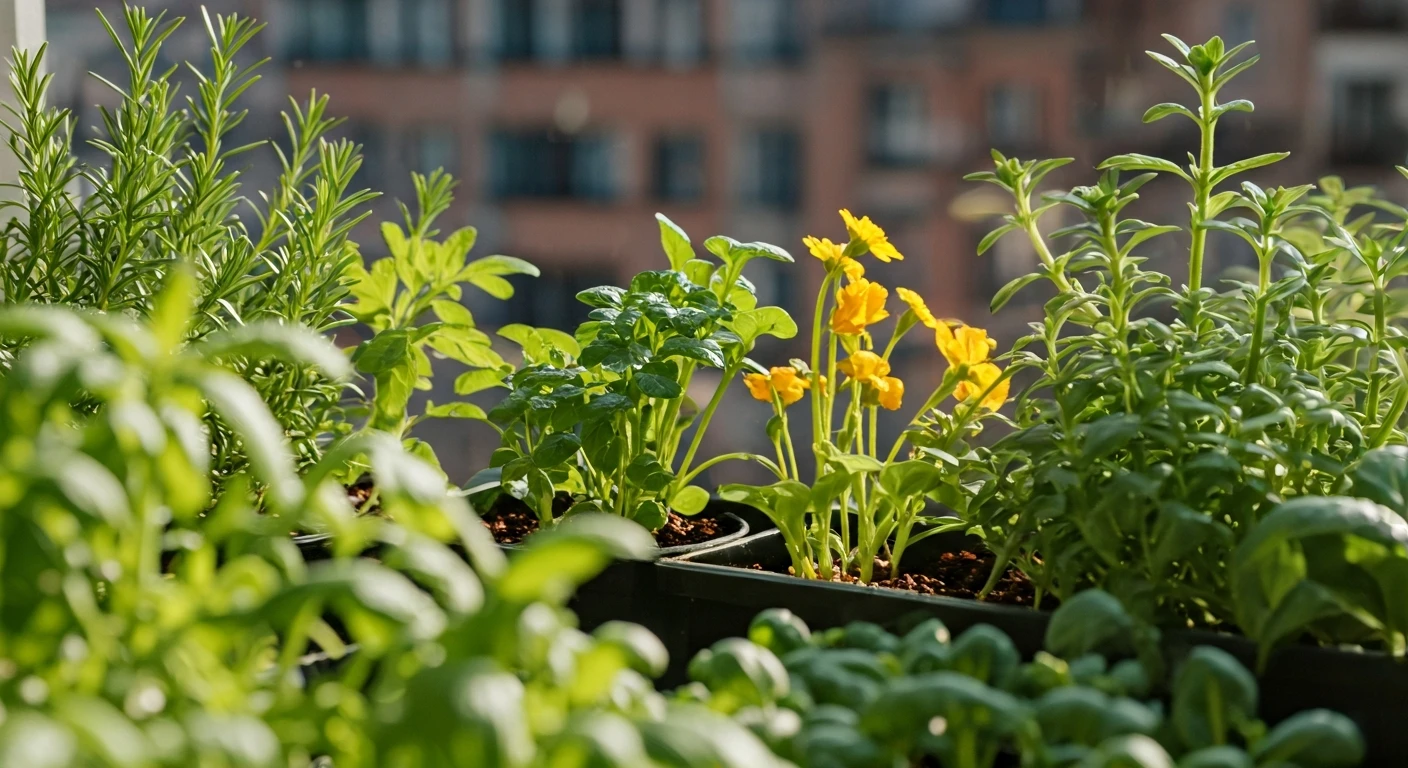
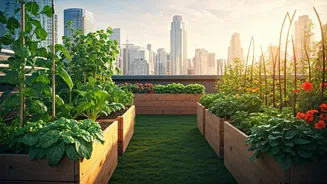
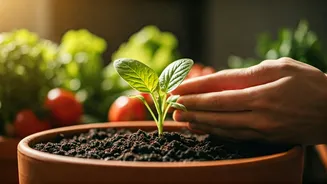
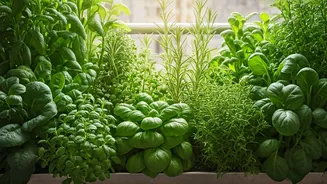
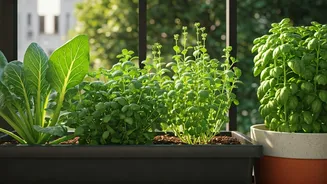
just about a few potted plants; it's a dedicated effort to cultivate edible produce in whatever space is available. Balconies are being transformed into miniature farms with trellises of climbing beans, windowsills are lined with pots of methi and mint, and terraces are hosting everything from brinjal to bell peppers. This movement is a visual and tangible response to the confines of city life, a way of reclaiming a small patch of nature amidst the urban sprawl.
The Pandemic's Green Shoots
While the trend was budding pre-2020, the nationwide lockdowns acted as a powerful fertiliser. Confined to their homes, people sought meaningful ways to spend their time and reconnect with the physical world. Gardening offered a perfect escape. It was a tangible, screen-free activity that provided a sense of purpose and control during a period of intense uncertainty. Concerns over supply chain disruptions and the hygiene of market-bought produce also played a major role. The ability to harvest fresh, clean vegetables from one's own home went from a novelty to a deeply reassuring practice. For many, the lockdown hobby quickly blossomed into a long-term passion.
More Than Just a Hobby
The appeal of kitchen gardening runs deeper than just fresh food. It has become a powerful tool for mental wellness. The simple, repetitive acts of watering, pruning, and tending to plants are inherently meditative. In a world of constant digital pings and deadlines, gardening offers a quiet space for mindfulness. Watching a seed sprout and grow into a fruit-bearing plant provides a unique and profound sense of accomplishment and connection to life's cycles. It’s a therapeutic activity that reduces stress, boosts mood, and fosters patience. For many city dwellers, their small garden is not just a source of food but a sanctuary for their mental health.
The Taste of Hyper-Local
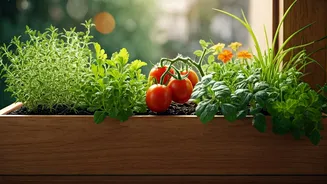
This movement is also about flavour. There is a world of difference between a store-bought tomato, picked unripe and transported across hundreds of kilometres, and one plucked from the vine at peak ripeness. Urban gardeners are rediscovering the true taste of food. The ability to harvest herbs minutes before cooking, or to make a salad with lettuce that is crisp and vibrant, has elevated home cooking to a new level. This hyper-local approach ensures maximum freshness, nutrient density, and a significant reduction in food miles. It’s a direct response to a food system that often prioritises shelf life over quality, allowing people to once again become active participants in their food story.
Getting Started Is Easier Than Ever
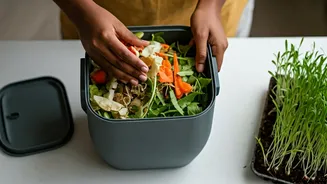
Fuelling this obsession is a growing ecosystem of support. A host of Indian startups now offer everything a beginner needs, from 'grow kits' with seeds and organic soil mixes to self-watering pots and compact composting units. Social media has become a virtual community garden, where enthusiasts on Instagram and Facebook share tips, troubleshoot problems, and proudly display their harvests using hashtags like #UrbanGardeningIndia and #GrowYourOwnFood. Countless YouTube tutorials provide step-by-step guidance on everything from preparing soil to managing common pests organically. This wealth of accessible information has demystified gardening, making it feel less like a specialised skill and more like a welcoming hobby for anyone to try.