




A Legacy Built on History
Mumbai’s connection to cinema is not a recent development; it’s over a century old. The journey began when Dadasaheb Phalke, the father of Indian cinema, produced the first full-length feature film, 'Raja Harishchandra', in 1913. This historical head
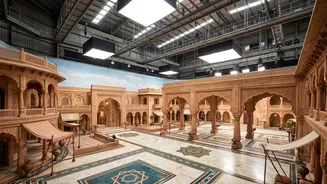
start created a foundation that has been built upon for decades. The city became the hub for early studios and the first wave of movie stars. This legacy led to the establishment of crucial infrastructure, most notably Film City in Goregaon. Established in 1977 and spread over 520 acres, it offers a one-stop shop for filmmakers with dozens of studios, ready-made sets, and post-production facilities. This deep-rooted history means the city's very identity is interwoven with the film industry, creating an environment that is difficult to replicate.
The Undisputed Financial Engine
More than just a creative hub, Mumbai is India's financial capital, and this directly fuels Bollywood. The industry, valued at thousands of crores, requires a constant flow of capital, and Mumbai is where the money is. Major production houses like Yash Raj Films, Dharma Productions, and Red Chillies Entertainment are headquartered here, creating a dense network of producers, distributors, and investors. This ecosystem attracts private investors, corporate financing, and banking institutions that have become comfortable with the film industry's unique financial models. While regional industries are growing, Mumbai remains the undisputed leader for large-scale financing and international co-production deals, making it the primary destination for ambitious, big-budget projects.
A Magnet for Talent and Dreams
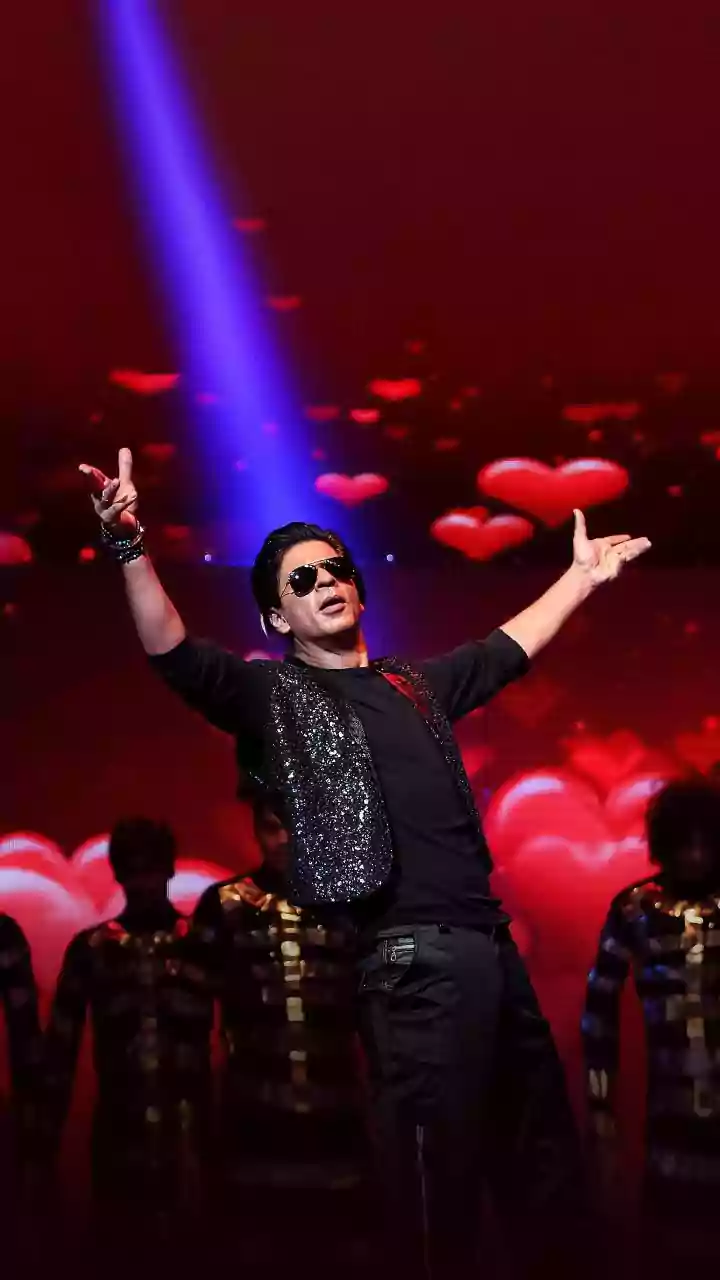
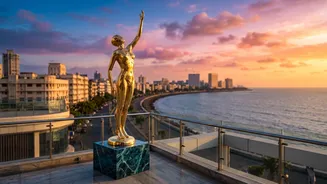
For decades, Mumbai has been the 'City of Dreams' for aspiring actors, directors, writers, and technicians from across the country. This constant influx creates an unparalleled talent pool that the industry thrives on. Thousands arrive daily, hoping to become the next Shah Rukh Khan or Amitabh Bachchan. While the digital age allows for remote auditions, the physical proximity to casting directors, acting schools, and networking opportunities in areas like Andheri and Bandra remains a significant advantage. This concentration of talent isn't just about the stars; it includes a vast ecosystem of skilled crew members, from cinematographers and editors to makeup artists and set designers, who are essential for filmmaking. This human infrastructure is perhaps Mumbai's most valuable and irreplaceable asset.
The Rise of Competing Hubs
The narrative of India's film industry is no longer solely a Mumbai story. Regional cinema, particularly from the South (Tollywood and Kollywood), has seen a massive surge in popularity and box office dominance. Moreover, new, planned film cities are challenging Mumbai’s supremacy. Ramoji Film City in Hyderabad is already a world-class facility that was crucial for blockbusters like 'Baahubali'. The upcoming Film City in Noida, near Delhi, is being planned on a massive scale, with the government aiming to create a production hub that offers modern facilities, easier permissions, and incentives to attract both domestic and international filmmakers. These hubs are not just alternatives; they are becoming powerful centers in their own right, especially for regional content and productions seeking specific logistical advantages.
Why the Center of Gravity Holds
Despite the growth of other centers, Mumbai’s position remains secure because it functions as the industry’s nerve center. The expansion across India doesn't necessarily weaken Mumbai; in many ways, it reinforces its role as the central hub where the biggest deals are struck and careers are ultimately made. While a film might be shot in Hyderabad or post-produced in Chennai, the key players—the producers, top-billed stars, and major financiers—are predominantly based in Mumbai. The city offers a unique, intangible ecosystem: a 'business culture' of deal-making, a concentration of media and PR agencies, and the sheer cultural weight of being 'Bollywood'. New hubs might offer space and subsidies, but they cannot yet replicate the dense, interconnected network of power, money, and influence that keeps the industry's creative and commercial heart beating in Mumbai.