





The Breakfast Bowl Battle
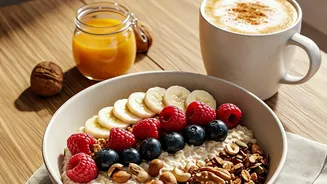
For years, the morning routine in many Indian households was a race against time, and processed breakfast cereals were the convenient champions. Quick, easy, and marketed as a healthy start, they became a pantry staple. However, a growing wave of health awareness
is causing a significant shift in this routine. Urban consumers are becoming increasingly critical of what's in their food, leading them to question the true health value of these packaged goods. This new consciousness is paving the way for a return to traditional foods, not just for nostalgia, but for their superior nutritional profiles. The humble appam, particularly when made with nutrient-dense millets, is emerging as a frontrunner in this breakfast revolution.
Deconstructing the Cereal Box
The allure of processed cereals often lies in their convenience and sweet taste, but a closer look at the nutrition label tells a different story. Many popular breakfast cereals are classified as ultra-processed foods, laden with high levels of added sugars, sodium, and unhealthy fats. This combination can lead to a rapid spike in blood sugar, followed by a mid-morning energy crash. Furthermore, these products are often low in dietary fibre and protein, the key components that provide sustained energy and a feeling of fullness. Studies have linked diets high in ultra-processed foods to an increased risk of several health conditions, prompting consumers to seek out whole, unprocessed alternatives for their first meal of the day.
The Mighty Millet Makes a Comeback
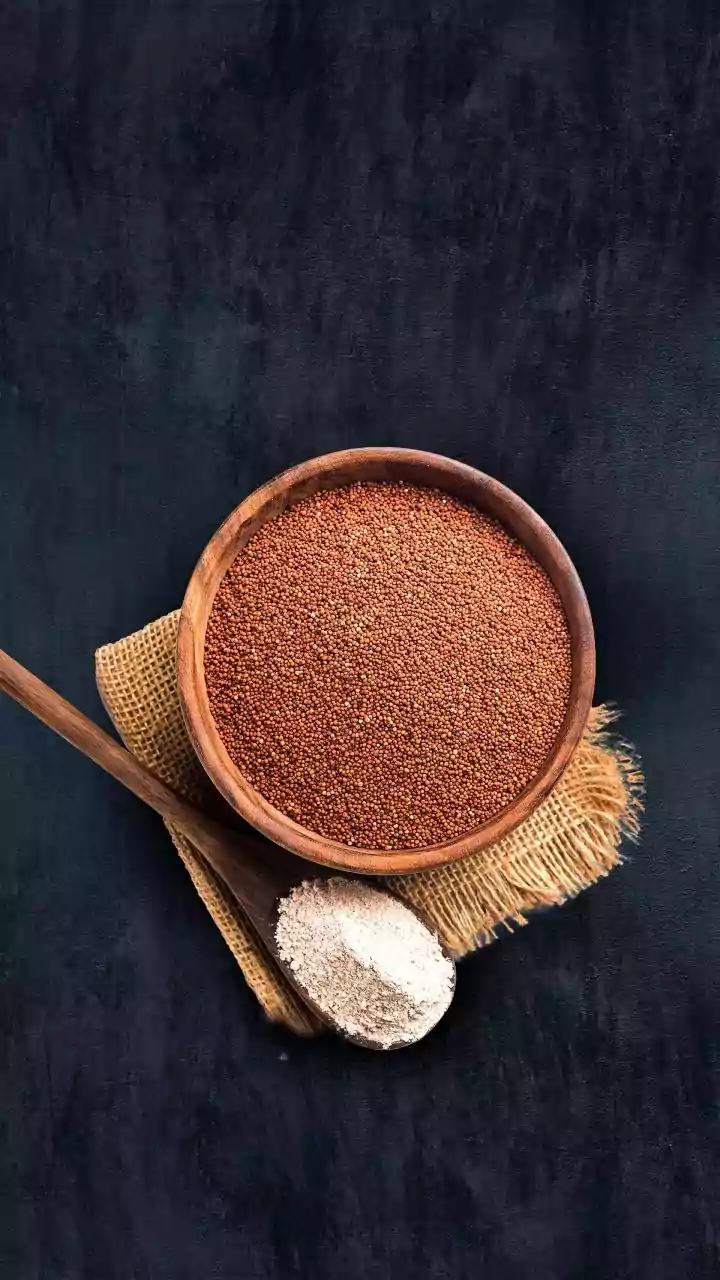
At the heart of this breakfast switch is the resurgence of millets. Once a staple in Indian diets before the Green Revolution prioritized rice and wheat, these ancient grains are being celebrated again for their incredible health benefits. Millets like ragi (finger millet), jowar (sorghum), and bajra (pearl millet) are nutritional powerhouses. They are naturally gluten-free, rich in protein, and packed with dietary fibre, which aids digestion and promotes satiety. Millets also have a low glycemic index, meaning they release sugar into the bloodstream slowly, preventing energy spikes and making them an excellent choice for everyone, including those managing blood sugar levels. This revival is supported by a larger movement towards sustainable and indigenous foods.
Why Steamed is the New Standard
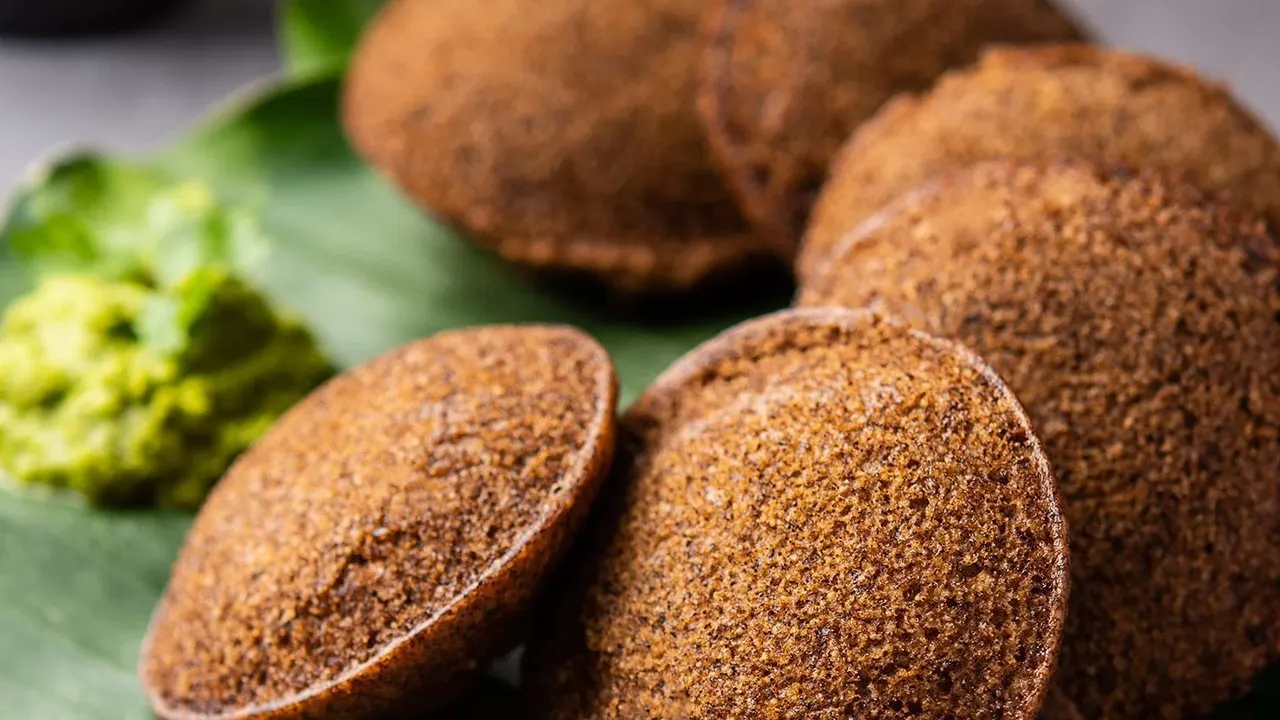
The method of preparation is just as important as the ingredients. Appams, which are delicate, bowl-shaped pancakes, are traditionally made from a fermented batter and are steamed, not fried. This gentle cooking process helps to preserve nutrients that can be lost at high temperatures. The fermentation process itself offers additional benefits, as it creates beneficial probiotics that support gut health and makes the appam light and easy to digest. When the traditional rice batter is enhanced with millet flour, the resulting millet appam becomes a perfect breakfast: light, nutritious, and packed with fibre, protein, and essential minerals like calcium and magnesium.
More Than Food: A Lifestyle Shift
The growing preference for millet appams over processed cereals is more than just a dietary trend; it represents a significant lifestyle shift in urban India. It reflects a deeper desire for conscious consumption and a connection to culinary roots. Consumers are moving away from industrially produced food items and are actively choosing ingredients that are locally sourced, sustainable, and culturally significant. This shift signifies a reclaiming of health and wellness, where the wisdom of traditional food practices is being validated by modern nutritional science. It is a move towards a breakfast that not only fuels the body but also nourishes a sense of heritage and well-being.