


From Waste to Wellness
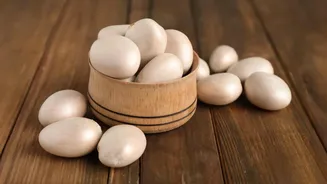
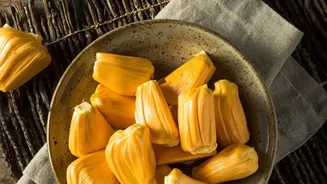
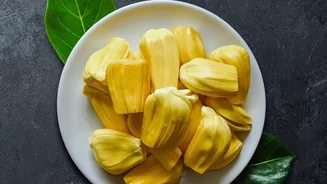
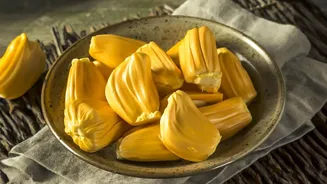
The enormous, spiky jackfruit is well-known in India, celebrated for its fleshy pods often used in curries or as a meat substitute. But the real hidden treasure might be its seeds. Traditionally, these seeds were boiled or roasted, but a huge portion
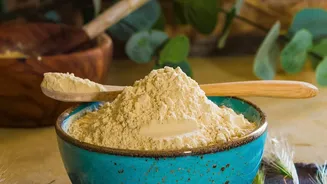
often went to waste. Now, by drying and grinding these cooked seeds, we get a fine, versatile flour. This practice not only provides a new pantry staple but also promotes sustainability by utilizing the entire fruit. This nutrient-dense powder is emerging as a formidable contender in the world of alternative flours, offering a unique profile for health-conscious bakers.
A Win for Blood Sugar Control
One of the most significant claims to fame for jackfruit seed flour is its low glycemic index (GI). The GI scale measures how quickly a food raises blood glucose levels. Foods with a low GI are digested and absorbed more slowly, leading to a gradual rise in blood sugar instead of a sharp spike. Jackfruit seeds are rich in fiber and resistant starch, which contribute to this effect. For individuals managing diabetes or simply looking to maintain stable energy levels, incorporating low-GI foods is key. By swapping out a portion of conventional flour for jackfruit seed flour, bakers can create goods that are kinder to their blood sugar.
Naturally Gluten-Free and Nutrient-Packed
For those with celiac disease or gluten intolerance, finding a flour that performs well without gluten is a constant challenge. Jackfruit seed flour is naturally 100% gluten-free, making it a safe choice. But its benefits extend beyond that. Compared to many other gluten-free flours like rice or tapioca flour, jackfruit seed flour boasts a higher protein and fiber content. It's also a good source of essential minerals like potassium and magnesium, along with B vitamins such as thiamine and riboflavin. This impressive nutritional profile means you’re not just removing gluten; you’re adding a host of beneficial nutrients to your diet.
Baking with a New Ingredient
So, how does it handle in the kitchen? Jackfruit seed flour has a mild, slightly nutty flavour that doesn't overpower other ingredients, making it suitable for both sweet and savoury recipes. Its composition helps retain moisture, which can combat the dry, crumbly texture sometimes found in gluten-free baking. It also works as an effective binding agent. When starting out, it’s best to begin by substituting a small portion of your regular flour—try replacing 20-25% to start. It’s excellent in rotis, dosas, pancakes, muffins, and even as a thickener for soups and stews. Experimentation is key to finding the perfect ratio for your favourite recipes.
Sourcing and Important Safety Notes
Jackfruit seed flour is becoming more available in health food stores and online. For the DIY-inclined, it can also be made at home, but with a critical safety step: the seeds must never be consumed raw. Raw jackfruit seeds contain antinutrients that can interfere with digestion and nutrient absorption. These compounds are neutralized by heat. To make the flour, the seeds must first be thoroughly boiled or roasted. Once cooked, the thin outer skin is peeled, and the seeds are dried completely before being ground into a fine powder. This crucial step ensures the flour is both safe and digestible.