



More Than Just a Latte
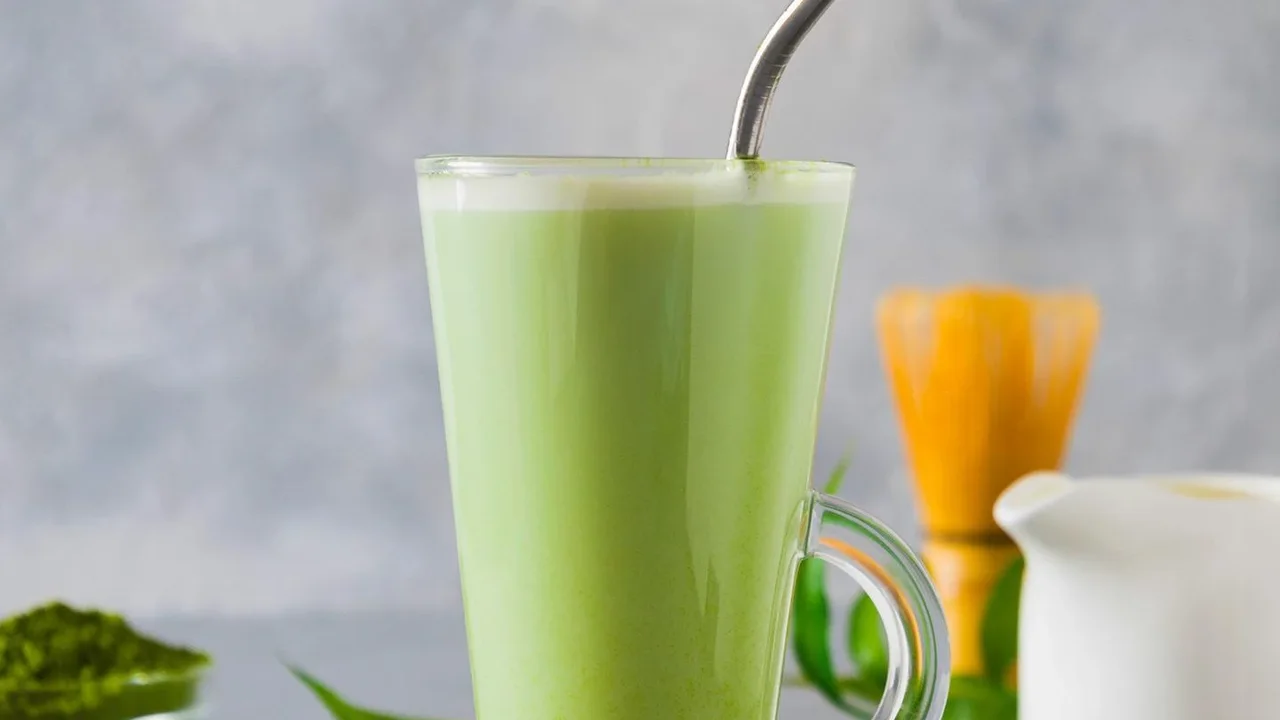
The matcha you see online today is likely not the simple, hot whisked tea of Japanese tradition. It has been remixed. The current viral wave is all about creativity and unexpected combinations. Think of the beautifully layered strawberry matcha latte,
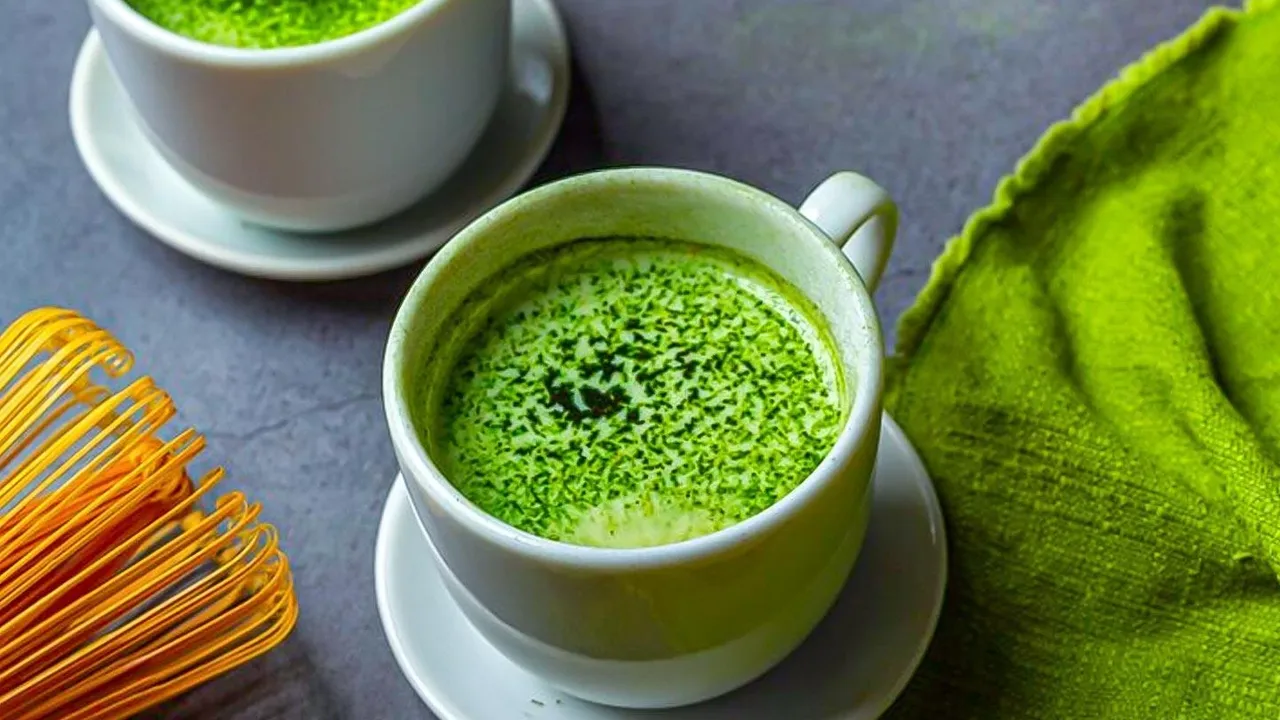
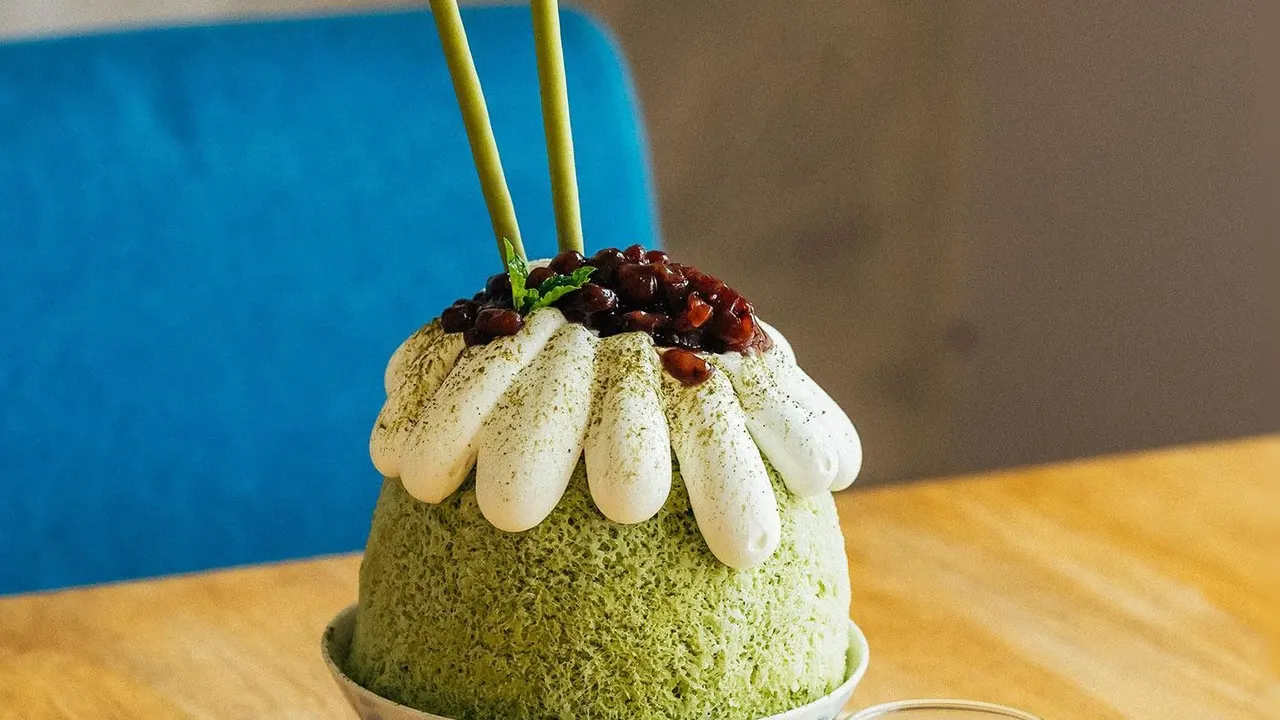
where pink purée meets a creamy white milk base, all topped with a float of brilliant green tea. This isn't just a drink; it's a piece of visual content. Cafes and home baristas are experimenting constantly, creating everything from iced blueberry matcha and mango variations to sparkling matcha tonics and even dirty matcha lattes with a shot of espresso. The trend extends to food, with recipes for matcha Basque cheesecakes, fluffy sugar cookies, and no-churn ice cream gaining traction. This evolution shows that matcha is no longer just a flavour but a versatile format that invites play and personalization.
Engineered for the Algorithm
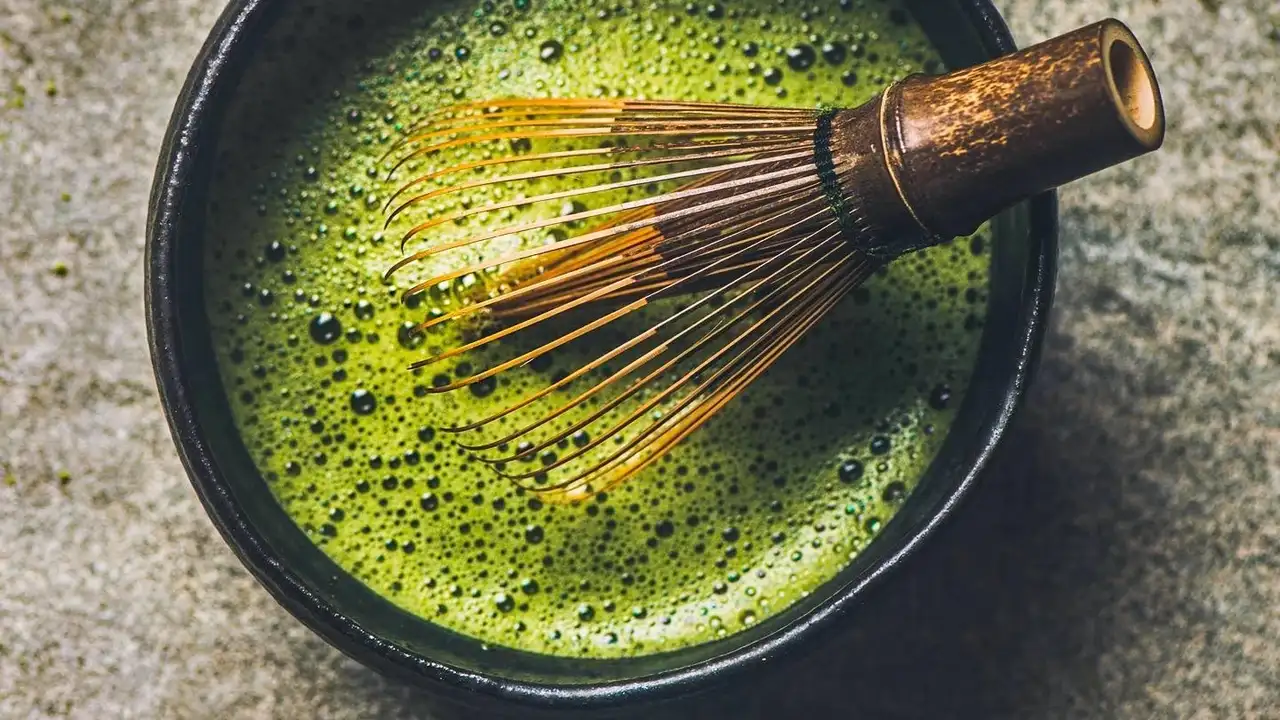
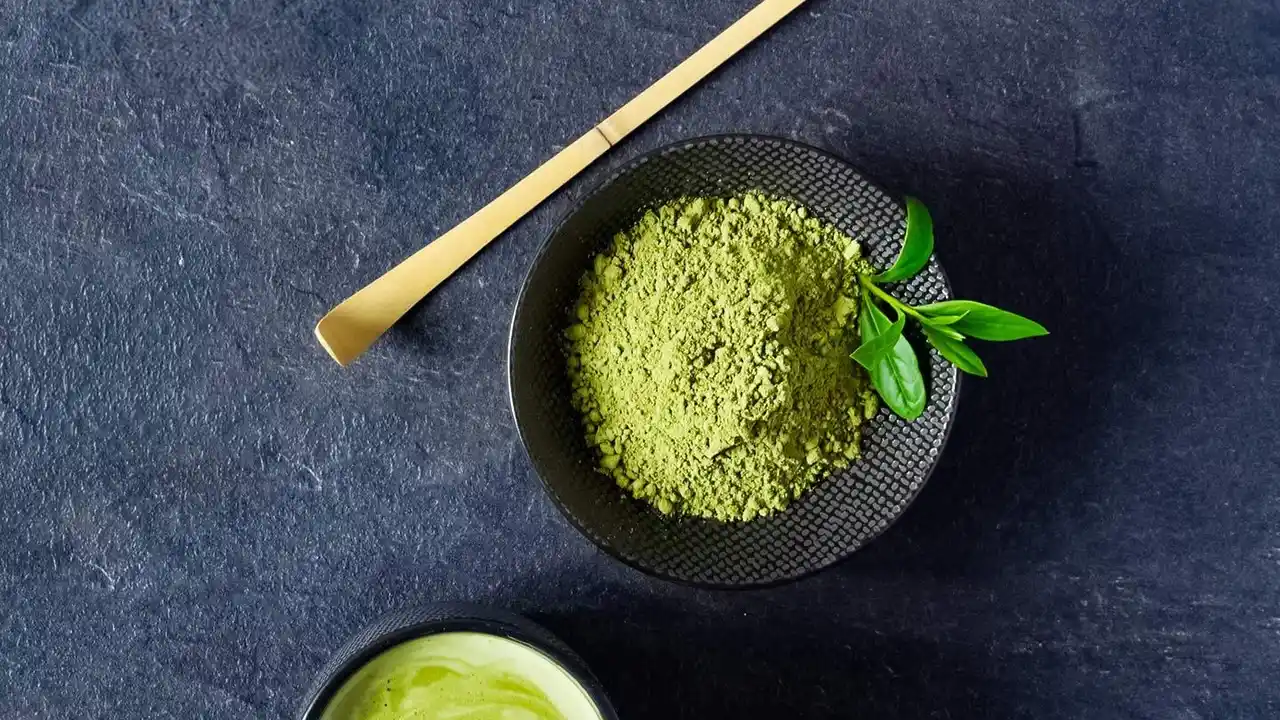
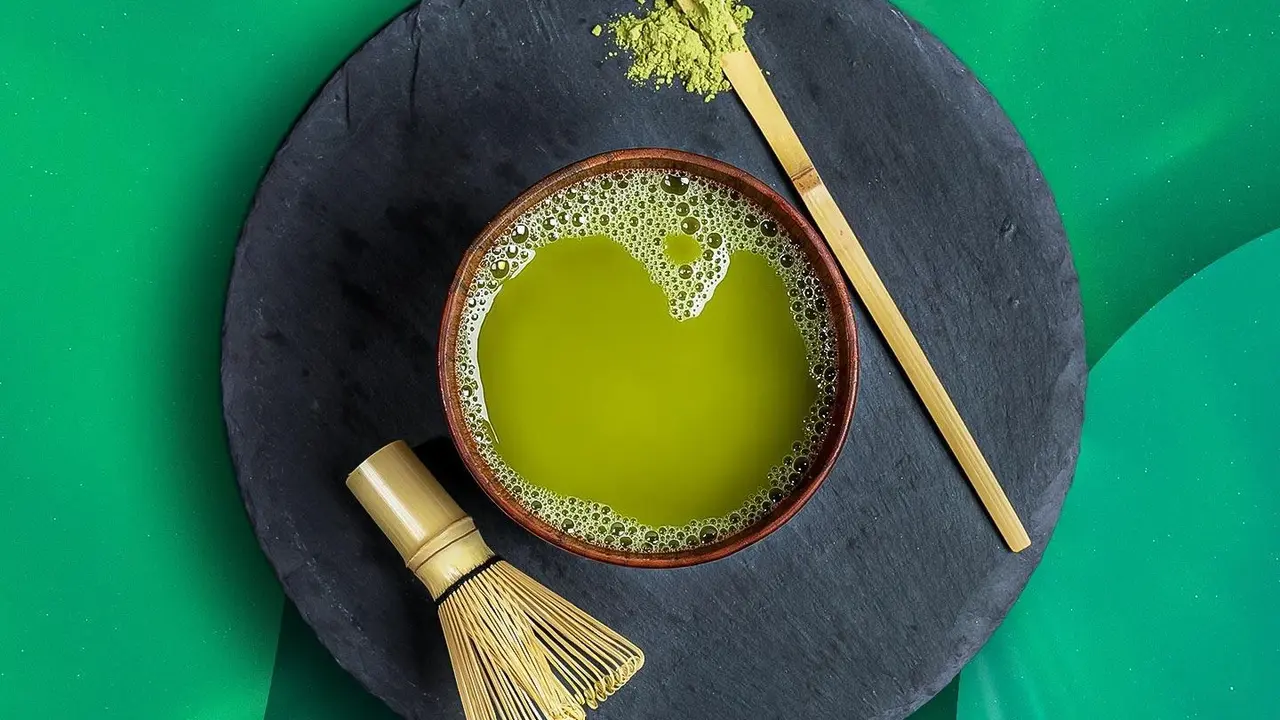
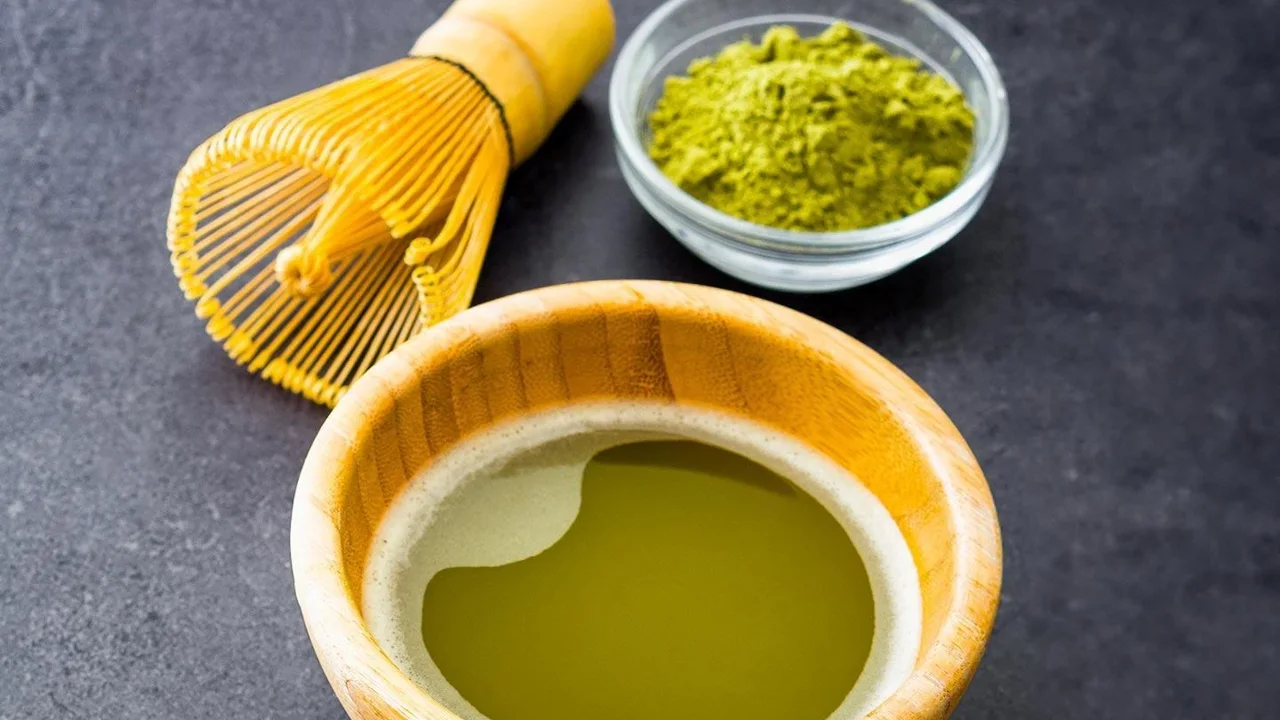
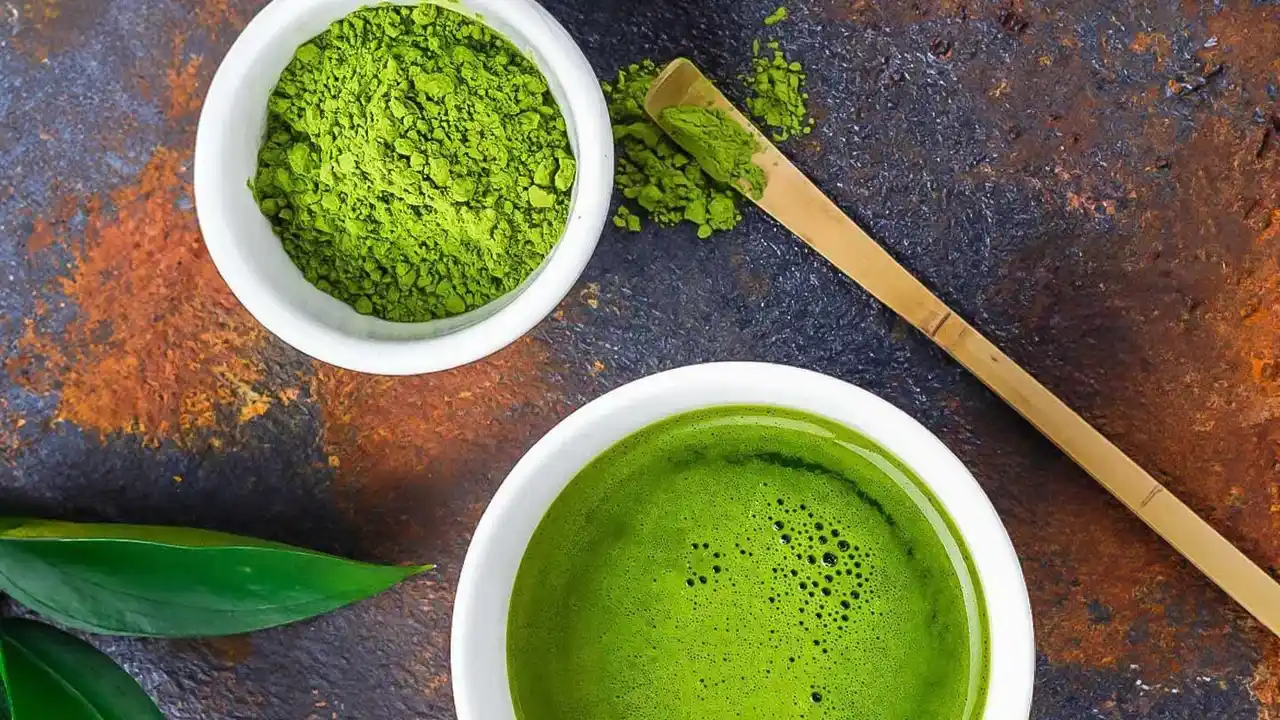
A huge part of matcha's takeover is its undeniable aesthetic appeal. Its vivid green color stands out instantly on a crowded screen, perfectly complementing the clean, minimalist, and wellness-focused visuals that perform well on platforms like Instagram and TikTok. The process of making it is also inherently cinematic. The satisfying sound of a bamboo whisk, the slow pour of milk creating swirls of color, and the final dusting of green powder are all small, captivating moments that are perfect for short-form video. This visual versatility allows a single drink preparation to become an ASMR clip, a morning routine video, a cafe review, or a recipe tutorial, making it a powerful tool for content creators.
The Allure of 'Calm Energy'
Beneath the visuals lies a compelling wellness narrative. Matcha is widely perceived as a healthier alternative to coffee. It contains caffeine, but also an amino acid called L-theanine, which is credited with promoting a feeling of “calm alertness” without the jitters or crash often associated with coffee. For a generation of consumers increasingly focused on mental and physical wellbeing, this is a major selling point. The drink is rich in antioxidants, particularly catechins like EGCG, which are linked to various health benefits, from supporting metabolism to protecting cells. Because you consume the entire ground leaf rather than just steeping it, you get a more potent dose of these beneficial compounds. This positions matcha as a functional beverage that delivers on both flavor and feeling.
From Ceremony to Social Media Staple
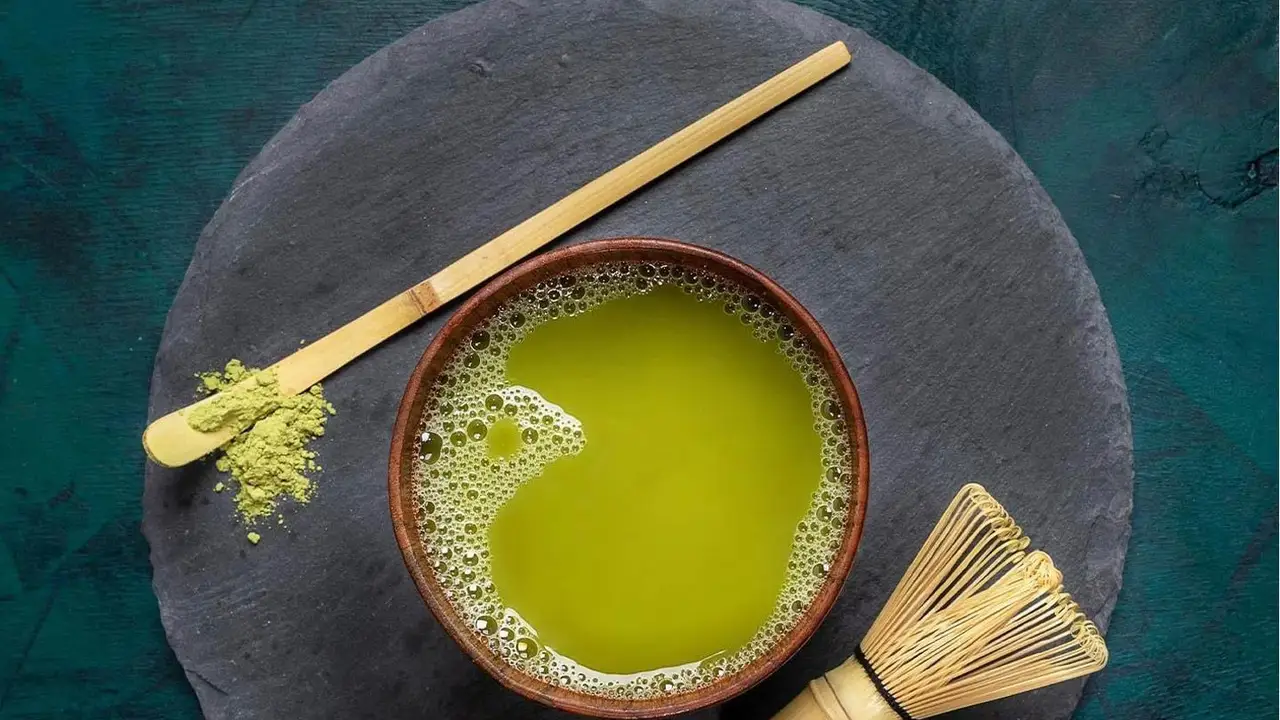
While it may feel like a recent invention, matcha has a rich history rooted in Japanese Zen Buddhist ceremonies dating back centuries. For years, it was a niche product in most parts of the world, found mainly in specialty tea shops. Its journey into the mainstream began with the rise of global café culture, which introduced the matcha latte to a broader audience. Social media then acted as an accelerant, turning it from a menu item into a cultural phenomenon. What’s interesting about the current makeover is how it detaches matcha from its traditional preparations while still benefiting from its aura of ritual and mindfulness. Making a matcha latte, even a trendy strawberry version, can feel like a small, intentional act of self-care, a quality that resonates deeply in today's fast-paced world.