








Preparation is Everything
Before your new feline family member even crosses the threshold, thoughtful preparation is the key to a smoother transition. The most critical first step is creating a separate, dedicated space for the new cat. This 'base camp' doesn't need to be palatial;
a spare bedroom or even a bathroom will suffice. Equip this room with everything the new cat needs: its own food and water bowls, a litter box, a comfortable bed, and a few toys. This separation is non-negotiable. It allows the newcomer to acclimate to the new sights, sounds, and smells of your home from a secure location, reducing initial stress. For your resident cat, it means their territory isn't immediately invaded, which can prevent defensive aggression from the outset.
The Power of Scent
For cats, the world is primarily understood through scent. A strange cat doesn't just look different; it smells threatening. You can use this to your advantage through a process called scent swapping. While the cats are still separated, take a small blanket or cloth that each cat has slept on and place it in the other's territory. This allows them to investigate the new cat’s smell in a non-threatening context. You can also gently rub a cloth on one cat’s cheeks and then place it near the other cat’s food bowl to create a positive association. This gradual introduction to each other's scent is a foundational step, telling both cats, 'There's someone new, but it's okay.' Rushing this part is one of the biggest mistakes owners make.
First Sight and Positive Reinforcement
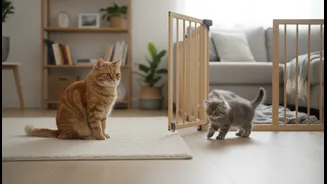
After a few days of successful scent swapping (with no hissing at the scented item), you can proceed to the first visual introduction. This should be brief, controlled, and overwhelmingly positive. A baby gate is an excellent tool for this. Place the gate in the doorway of the new cat's room. Feed both cats their favourite meal on opposite sides of the gate. The goal is for them to associate the sight of the other cat with something they love, like a delicious treat or wet food. Keep these initial meetings short—just a few minutes at first. If there is any hissing or growling, calmly end the session and try again later, perhaps with more distance between them. The key is to end on a positive, or at least neutral, note.
Reading the Room
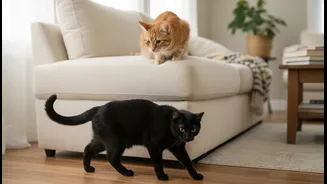
Understanding feline body language is crucial. It’s easy to mistake vigorous play for a fight, or to miss subtle signs of stress that could escalate. Play is often reciprocal; cats may take turns chasing or being on top during a wrestle, their claws are typically retracted, and their ears are forward or upright. Fighting is different. It often involves loud vocalizations like growling, yowling, or intense hissing. Look for flattened ears, puffed-up tails, and direct, unblinking stares—these are signs of conflict, not fun. If you see this, create a distraction with a loud noise or a toy to separate them. Never get in the middle of a cat fight. Recognizing the difference between play and aggression allows you to intervene only when necessary.
Creating a Shared Kingdom
Once your cats can tolerate supervised time together without hostility, you can start building a harmonious household. The key is to eliminate competition for resources. The golden rule is to have one litter box per cat, plus one extra, placed in different areas of the house. The same goes for food and water stations; each cat should have their own. Vertical space is also a game-changer. Cat trees and wall shelves allow cats to create their own vertical territories, giving them space to retreat and observe from a safe distance. When cats don't have to compete for food, water, a clean place to toilet, or a prime napping spot, the likelihood of conflict drops dramatically.