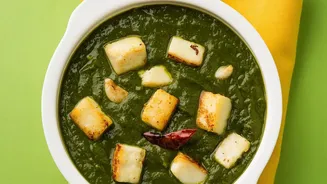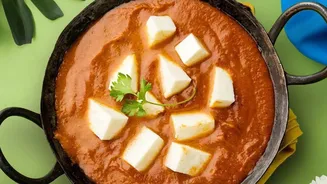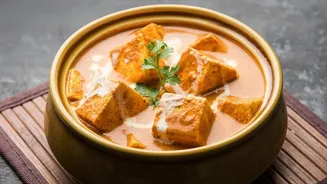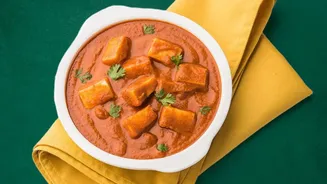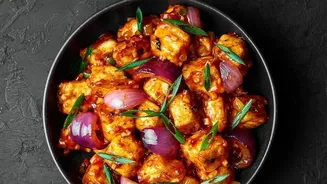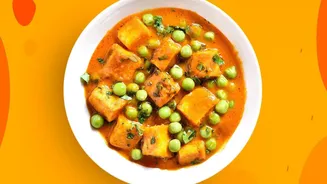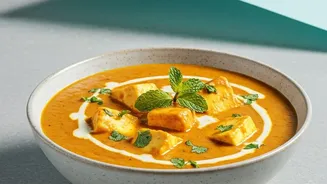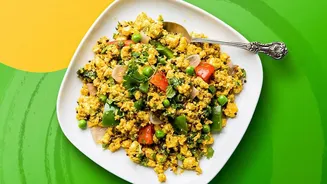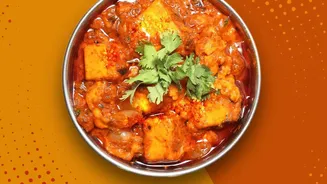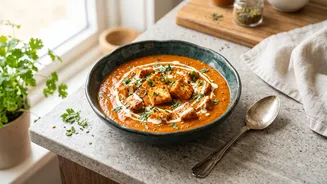


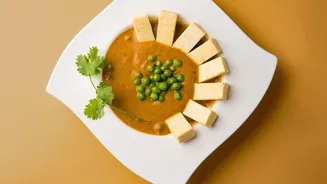
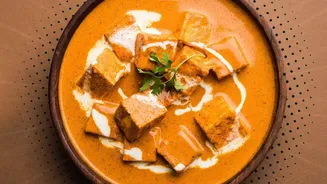
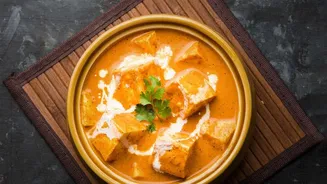
Ever wonder why the paneer butter masala at your favourite restaurant is so much creamier and richer than what you make at home? The secret isn't a long list of expensive, hard-to-find ingredients. It’s all about technique.
Start with Softer Paneer
The first step to a luxurious
paneer dish has nothing to do with the gravy. It's the paneer itself. Store-bought paneer can often be firm or rubbery. To transform it into a soft, melt-in-your-mouth delight, a simple soak is all you need. Cut your paneer into cubes and soak them in warm, lightly salted water for about 15 to 20 minutes before you start cooking. This simple hydration step makes a world of difference, ensuring the paneer remains tender and spongy, ready to absorb all the flavours of your curry. If you pan-fry your paneer for texture, do so on a medium flame until lightly golden, as high heat can make it tough. After frying, you can give it another quick soak in warm water to guarantee softness.
Master the Basic Gravy
The foundation of most restaurant-style paneer dishes is a robust onion-tomato masala. You don’t need a pantry full of exotic spices to make it shine. The key is how you cook these humble ingredients. Start by slowly sautéing finely chopped onions in oil or ghee until they are soft and golden brown. This slow cooking develops a deep, sweet flavour that is crucial for a restaurant-quality base. After the onions, add your ginger and garlic paste and cook until the raw smell disappears. Then, add pureed ripe tomatoes and cook the mixture down until the oil begins to separate from the masala. This separation is the visual cue that your base is ready and has developed a concentrated, rich flavour.
Creaminess Without the Cream (or Cashews)
Many believe that expensive cashews or copious amounts of heavy cream are essential for that signature creamy texture. While effective, they are not the only way. To achieve a silky-smooth gravy on a budget, you can rely on a few clever substitutes. Full-fat milk or a few tablespoons of well-beaten yogurt can provide a similar richness and body. When using yogurt, reduce the flame to low and add it a spoonful at a time, stirring constantly to prevent it from splitting. Another trick is in the blending. After cooking your onion-tomato base, let it cool slightly and blend it into a very smooth puree. This process breaks down the fibres and creates a velvety texture without needing heavy additives.
The Power of a Finishing Touch
The ingredient that often separates a good home-cooked paneer from a great restaurant one is deceptively simple: kasuri methi, or dried fenugreek leaves. It's an inexpensive but powerful finishing herb. Just a teaspoon, crushed between your palms to release its aromatic oils and added in the final minutes of cooking, imparts a distinct, complex aroma that is quintessentially restaurant-style. This single ingredient adds depth, balances the richness of the gravy, and provides that final professional touch. A small pinch of sugar to balance the tang of the tomatoes and a dollop of butter at the very end can also elevate the final dish, mimicking that classic 'makhani' flavour.
Cook the Paneer, Don't Boil It
A common mistake is adding the paneer too early and cooking it for too long. Paneer doesn’t need to be cooked extensively; it only needs to be warmed through and allowed to absorb the flavours of the surrounding gravy. Adding the paneer cubes in the last 5–7 minutes of cooking is ideal. Let the curry simmer gently on a low flame. Boiling the paneer in the gravy will cause it to lose its moisture and turn hard and chewy, undoing all the good work of your initial soak. By adding it at the end, you ensure it remains perfectly soft and succulent when you serve it.