





The Foundation: A Step-by-Step Guide
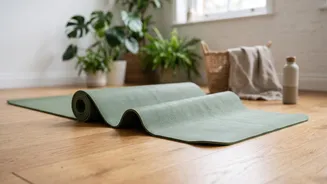
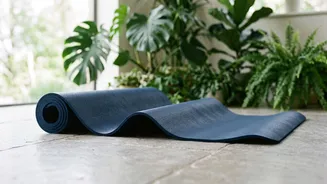
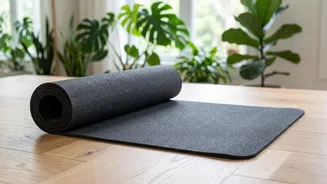
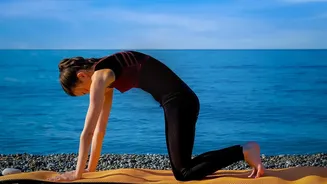
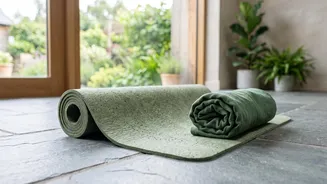
Proper alignment is key to unlocking the full benefits of Cat-Cow. Rushing the setup can lead to strain, so take a moment to establish a solid base. Start on a comfortable surface like a yoga mat. Come onto your hands and knees into a 'tabletop' position.
Your wrists should be directly under your shoulders and your knees directly under your hips. Spread your fingers wide to distribute your weight evenly and avoid pressure on the wrists. Keep your spine in a neutral, flat position and let your gaze fall gently to the floor just ahead of your hands.
Mastering the Smooth Movement
The magic of this pose is in the seamless transition between the two positions, guided entirely by your breath. First, move into Cow Pose (Bitilasana). On an inhale, gently drop your belly towards the floor. Lift your chin and chest, and send your gaze forward or slightly upward without crunching your neck. Your tailbone should lift, creating a gentle 'U' shape in your spine. Next, transition into Cat Pose (Marjaryasana). As you exhale, reverse the motion by drawing your navel toward your spine, rounding your back towards the ceiling like an angry cat. Tuck your tailbone under and allow your head to release, bringing your gaze toward your navel. Continue this fluid dance, inhaling into Cow and exhaling into Cat, for five to ten rounds.
Beyond the Stretch: Key Benefits
While it feels like a simple stretch, Cat-Cow offers a wealth of benefits for both body and mind. Its primary function is to improve spinal flexibility and mobility, gently warming up the vertebrae and reducing stiffness. This is particularly beneficial for those who spend long hours sitting, as it can help correct poor posture. The movement also strengthens the core, as you engage your abdominal muscles to control the arch and rounding of the spine. Furthermore, the gentle massage of the abdominal organs during the flow can aid digestion. Mentally, the rhythmic nature of the pose, combined with deep breathing, has a calming effect that can relieve stress and enhance mindfulness.
Common Misalignments and How to Fix Them
To ensure your practice is safe and effective, be aware of a few common errors. Many people rush the movement, disconnecting it from the breath. The key is to move slowly and deliberately, letting each inhale and exhale guide the full range of motion. Another frequent mistake is letting the head lead instead of the pelvis. Initiate each arch and round from your tailbone, allowing the movement to ripple up the spine naturally. Also, avoid sinking into your shoulders or locking your elbows; instead, press the floor away and keep a micro-bend in your elbows to maintain active engagement. If you have a stiff mid-back from sitting, focus on directing the rounding sensation to the area between your shoulder blades during the Cat phase.
Making the Pose Work for You
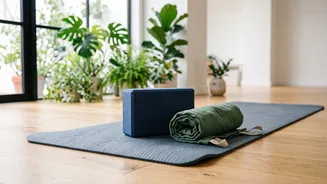
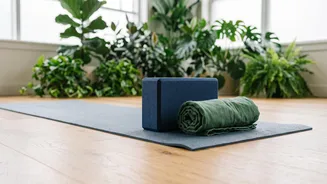
Cat-Cow is a highly adaptable pose. If you have sensitive knees, placing a folded blanket underneath them can provide welcome cushioning. For those with wrist pain, you can modify the pose by coming down onto your forearms or by making fists with your hands instead of having your palms flat. The entire sequence can also be performed while seated in a chair, making it a perfect stretch for a break at the office. To do this, sit tall with your feet flat on the floor, place your hands on your knees, and flow through the same spinal movements with your breath. This accessibility makes it a valuable tool for almost everyone, regardless of their flexibility or experience level.