






Every click, stream, and search has a physical home, and its environmental cost is staggering. A new Harvard study reveals that the largest US data centres produce as much carbon dioxide as the entire nation of Denmark.
The Hidden Factories of the Digital Age
Think of a data centre as a factory
that never sleeps. These vast, windowless buildings are the physical heart of the internet, housing tens of thousands of computer servers that store, process, and deliver the data behind everything we do online. From your Netflix queue and Instagram feed to complex artificial intelligence models and corporate cloud services, every digital action is powered by these energy-intensive facilities. They are the invisible infrastructure of modern life, but their impact on the planet is becoming increasingly visible.
An Astonishing Carbon Footprint
Recent research published in the journal 'Nature Sustainability' has put a stunning number on this impact. A study of 403 of the largest 'hyperscale' data centres in the United States found they collectively produced approximately 25.7 million metric tons of carbon dioxide annually. To make that abstract number tangible, researchers compared it to the total annual emissions of Denmark, a country of nearly six million people. The study, conducted by Harvard University, also found these facilities consumed about 82 terawatt-hours of electricity, representing nearly 2% of total US electricity use—a share that rivals the consumption of entire states like Michigan.
Why So Much Energy?
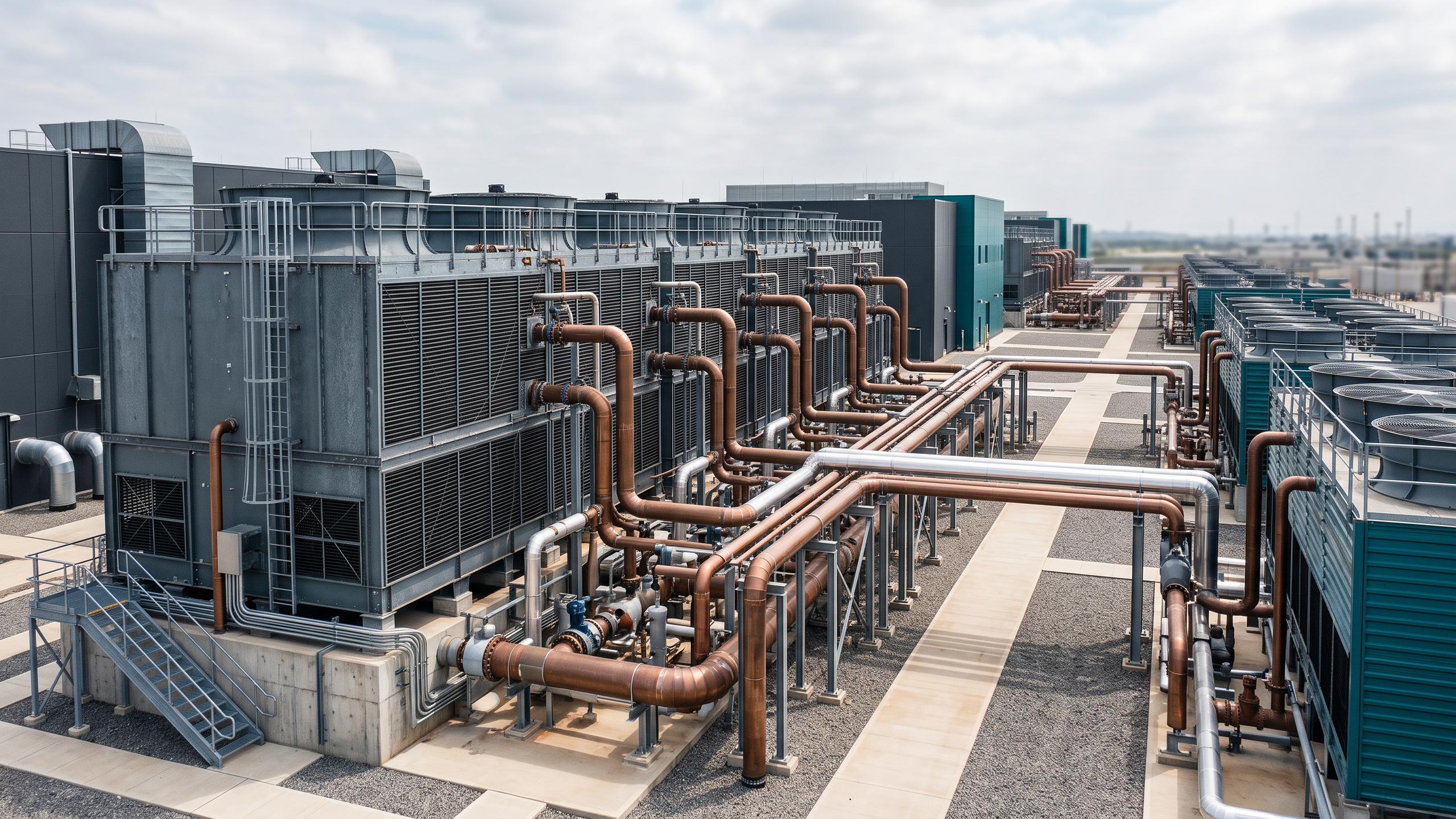
The immense energy draw comes from two main sources: powering the servers themselves and, crucially, keeping them cool. The thousands of processors running 24/7 generate an enormous amount of heat. To prevent overheating and failure, massive air conditioning and liquid cooling systems must run constantly. In fact, for every watt of electricity used for computation, a significant fraction is spent on just cooling and other overheads. More than half of the electricity consumed by the data centres in the study came from fossil fuels, primarily natural gas and coal.
The AI and Streaming Effect
The demand for data centre capacity is exploding, driven largely by the global boom in artificial intelligence and our insatiable appetite for high-definition video streaming. Training and running large AI models is a computationally intensive process that requires unprecedented power. Researchers noted that their data, which ran through April 2025, is likely already a conservative estimate. One lead author called it 'ancient history' in AI time, with thousands more data centres planned or under development. This exponential growth means that without intervention, the sector's carbon footprint is set to grow dramatically.
The Indian Context
This isn't just a Western issue; it's a critical consideration for India. With a booming digital economy, rapid cloud adoption, and ambitious AI goals, India is in the midst of its own data centre construction frenzy. The country's data centre capacity has grown exponentially, with projections showing it will continue to multiply by 2030. This presents a monumental opportunity for economic growth but also a formidable environmental challenge. As one of the world's fastest-growing economies, India must balance its digital ambitions with its climate commitments, especially in regions already facing water and energy stress.
The Path to Greener Data
The challenge is significant, but not insurmountable. The industry is responding with a push toward 'green' data centres. Innovations in cooling, such as liquid immersion and more efficient air-flow designs, are helping reduce energy waste. Many new facilities in India are being built with sustainability in mind, aiming for lower Power Usage Effectiveness (PUE)—a key metric of efficiency. Furthermore, there is a strong push to power these facilities with renewable energy, with major operators making pledges to run on 100% renewable sources and investing in large-scale solar and wind projects to offset their consumption.