






Why Are Global Oil Prices Surging?
The recent spike in crude oil prices isn't due to a single factor but a combination of geopolitical and economic pressures. Heightened conflict in the Middle East, particularly involving the US and Iran, has raised fears of significant supply disruptions.
Tensions around the Strait of Hormuz, a critical channel for about 20% of the world's oil supply, have put markets on edge. Analysts are now predicting that these supply constraints could persist for the remainder of 2026. This geopolitical risk premium is added on top of existing production strategies by major oil-exporting countries to manage supply, all while global demand for energy remains robust. The result is a classic supply-and-demand squeeze that pushes prices upward, with Brent crude, a key international benchmark, now hovering at a six-week high.
The Direct Hit on Your Fuel Bill
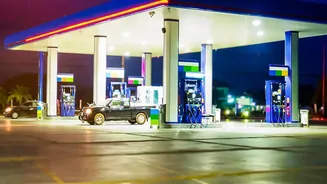
So, how does a $97 barrel of oil in the international market translate to the price you pay at the petrol pump in Mumbai or Delhi? The process is direct, but not simple. Indian Oil Marketing Companies (OMCs) use a 'daily pricing' mechanism, which is based on a rolling 15-day average of international rates for refined products, not just crude oil. However, the crude price is the biggest driver of the cost. Once the base price is set, central and state taxes are added, which are the largest components of the final retail price. Taxes can constitute over 50% of what you pay per litre. While OMCs have at times absorbed some of the cost, shielding consumers from immediate shocks, sustained high crude prices make retail price hikes almost inevitable to prevent mounting losses. Even with government intervention, the pressure to pass on at least a portion of the increased import cost to consumers becomes immense.
Brace for More Expensive Travel
The impact goes far beyond your personal vehicle. The aviation industry is particularly sensitive to oil prices, as Aviation Turbine Fuel (ATF), or jet fuel, can account for 35-40% of an airline's operating expenses. As crude prices rise, ATF prices follow suit, with recent hikes already pushing the fuel to new highs. Airlines in a competitive market often have no choice but to pass these increased costs on to passengers in the form of higher airfares or fuel surcharges. The government has previously engaged with airlines about fare structures when oil prices fluctuate, but a sustained period of high costs typically leads to more expensive tickets for both business and leisure travel. Furthermore, higher diesel prices increase the operational costs for buses, trucks, and trains, meaning that the price of transporting goods and people across the country is also set to rise, adding to broad inflationary pressures.
What Are the Government's Options?
With household budgets already stretched, the government faces a difficult balancing act. The most direct tool to cushion the blow is to cut the excise duty levied by the central government on petrol and diesel. Several state governments could also reduce their Value Added Tax (VAT). This has been done in the past to insulate citizens from extreme price volatility. However, this move comes at a significant cost. Taxes on fuel are a major source of revenue for both central and state governments, funding everything from infrastructure projects to welfare schemes. A cut in these taxes could strain government finances and widen the fiscal deficit. The government must weigh the political and economic costs of letting fuel prices rise against the fiscal impact of reducing its revenue. Bringing fuel under the Goods and Services Tax (GST) is another long-discussed option that could streamline taxes, but it remains a complex decision requiring consensus between the Centre and states.