


More Than Just Idli and Dosa
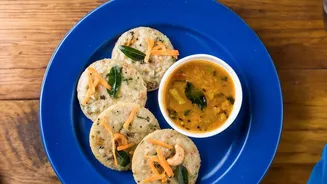
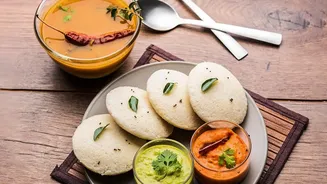
For decades, the idea of a commercial Indian breakfast has been dominated by a few pan-Indian heroes. Fluffy idlis, crisp dosas, and hearty chole bhature have long been staples of restaurants and street stalls alike. While these dishes remain beloved,
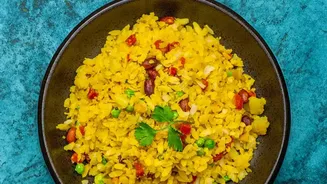
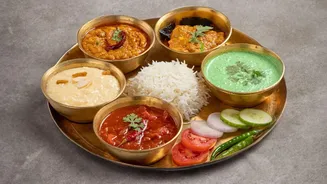
a deeper, more diverse culinary movement is taking root. Chefs and food entrepreneurs are now championing breakfasts that were once known only within specific communities or states. This shift is redefining Indian food by showcasing the incredible diversity of ingredients, flavours, and regional specialities that go far beyond mainstream offerings. Diners are showing a sharp curiosity for these hyperlocal delicacies, moving past well-known dishes to explore the country's rich culinary tapestry.
A Taste of Home, Away From Home
One of the biggest drivers of this trend is urban migration. As people move to cities for work and education, they bring with them a craving for the comfort foods of their childhood. Home chefs, many of whom started by hosting small pop-ups, have been instrumental in meeting this demand. They are bridging the gap between traditional home cooking and commercial dining, offering an authentic taste of home that resonates deeply with those living away from their families. This desire for nostalgia and a connection to one's roots has created a loyal customer base for meals that evoke the warmth and authenticity of a home-cooked breakfast. In a post-pandemic era, this preference for personalised, wholesome dining experiences has only grown stronger.
What's on the New Breakfast Menu?
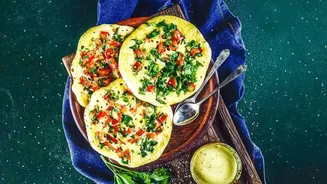
So what do these new breakfast offerings look like? In Maharashtra, Misal Pav, a spicy sprouted moth bean curry topped with crunchy farsan, onions, and served with a soft pav, has transitioned from a humble worker's meal to a trendy brunch item in cities like Mumbai and Pune. Originally from the Nashik region, this dish is a complete meal, balancing spice, texture, and nutrition. From Andhra Pradesh comes Pesarattu, a protein-packed crepe made from green moong dal, often served with a ginger chutney. In Kerala, cafes are highlighting dishes like Appam, a lacy rice pancake with a soft centre, served with a mild vegetable or meat stew. These dishes, once confined to their regions, are now celebrated for their unique flavours and cultural history.
The Rise of the Home Chef
This culinary revolution is not being led by large restaurant chains, but by a brigade of passionate home chefs and small-scale entrepreneurs. Many started their journeys by sharing their family recipes on social media or through intimate pop-up dining experiences. These chefs act as cultural ambassadors, preserving forgotten recipes and educating diners about the nuances of their native cuisines. Platforms dedicated to discovering and promoting home chefs have further amplified their reach, helping them collaborate with established restaurants and gain professional experience. This grassroots movement has been crucial in documenting and popularising dishes that might have otherwise remained unknown to a wider audience.
A Modern Twist on Tradition
While authenticity is key, many cafes are also giving these traditional dishes a modern makeover to appeal to a broader audience. This doesn't mean compromising on flavour, but rather reimagining the presentation with a contemporary flair. For instance, a rustic Misal might be served in a deconstructed style, or a traditional millet-based porridge might be presented in a trendy breakfast bowl. This fusion of old and new respects the culinary heritage of the dish while making it accessible and exciting for a new generation of food lovers. The core of the dish remains, but the experience is elevated to fit the modern cafe environment, proving that tradition and innovation can coexist beautifully on the same plate.