





Why Calorie Counting Can Fail
For years, the mantra for healthy eating and weight management has been 'calories in, calories out'. This led to a generation of us diligently logging every meal into apps, scrutinising labels, and living by the numbers. While it can be a useful tool
for awareness, for many, it becomes a source of stress and anxiety. Calorie counting is often imprecise — food labels can be inaccurate, and portion estimation is a guessing game. More importantly, it can disconnect us from our body's natural hunger and satiety cues, turning eating into a transactional, joyless task. It also treats all calories as equal, ignoring the vast difference in nutritional value between 100 calories of almonds and 100 calories of a sugary biscuit.
The Visual Alternative: The Plate Method
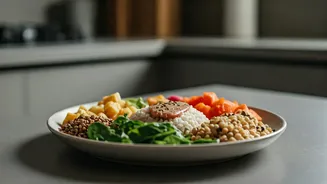
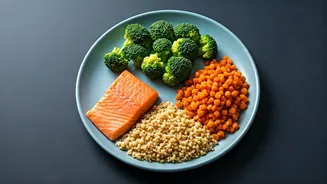
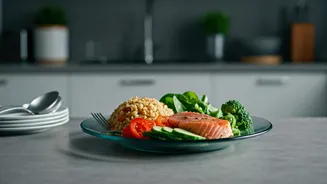
Instead of focusing on numbers, the plate method encourages you to focus on food groups. It’s a simple, visual framework for building a balanced meal, championed by nutritionists for its simplicity and effectiveness. The goal isn't perfection, but proportion. By dividing your plate into sections for different macronutrients—protein, carbohydrates, and fats (along with micronutrient-rich vegetables)—you can ensure you're getting a well-rounded meal without a single calculation. This approach shifts the focus from restriction to nourishment, helping you build a healthier relationship with food. It’s a sustainable strategy that works for meals at home, in a restaurant, or at a social gathering.
How to Build Your Macro Plate
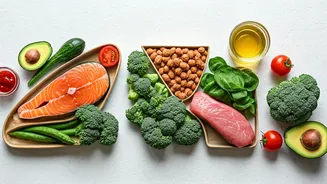
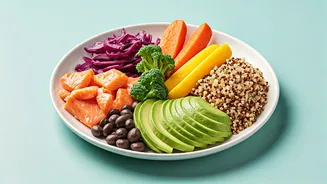
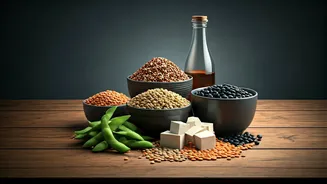
Imagine your plate is a circle. Now, let’s divide it. The beauty of this method lies in its flexibility, but a great starting point is the following formula: **Half Your Plate (50%): Non-Starchy Vegetables.** This is where the colour comes in. Fill this section with a variety of vegetables like spinach, broccoli, bell peppers, tomatoes, carrots, cabbage, and cauliflower. They are low in calories but packed with fibre, vitamins, and minerals, which help you feel full and satisfied. **One Quarter of Your Plate (25%): Lean Protein.** Protein is crucial for building and repairing tissues, and it aids in satiety. Choose from sources like dal, chickpeas, paneer, tofu, eggs, fish, or chicken. **One Quarter of Your Plate (25%): Complex Carbohydrates.** Carbs are your body's primary energy source. Opt for complex, high-fibre options that release energy slowly. Think millets, quinoa, brown rice, whole wheat roti, or oats, rather than refined flour (maida) or white rice.
Coding With Colour: Eat the Rainbow
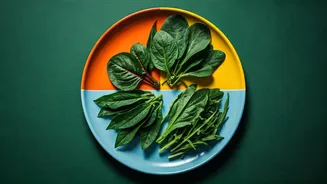
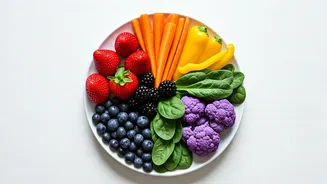
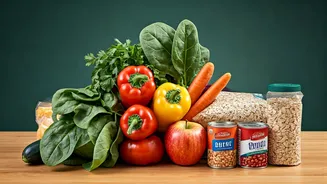
The 'color-coded' aspect takes this a step further. The different colours in fruits and vegetables correspond to different phytonutrients, which are beneficial compounds with antioxidant and anti-inflammatory properties. Making your plate as colourful as possible is a simple rule of thumb to ensure you're getting a wide spectrum of nutrients. - **Red:** Think tomatoes and bell peppers (rich in lycopene). - **Green:** Leafy greens like palak and methi (folate, vitamin K). - **Yellow/Orange:** Carrots, pumpkin, and mangoes (beta-carotene). - **Purple/Blue:** Brinjal and purple cabbage (anthocyanins). By aiming to have two or three different colours on your plate at every meal, you naturally enhance its nutritional diversity without having to memorise a single vitamin.
Putting It Into Practice
This method adapts beautifully to Indian cuisine. A balanced thali is the perfect example. Imagine a plate with a katori of dal (protein), a serving of sabzi like bhindi or gobi (vegetables), a fresh salad (more vegetables), and one or two rotis made from whole wheat or millet (carbohydrates). It naturally follows the rule. For breakfast, instead of just a bowl of poha (mostly carbs), you could reduce the poha portion slightly and add a side of sprouts or a boiled egg (protein) and some sliced tomatoes and cucumber (vegetables). It’s not about eliminating your favourite foods, but about building balance around them.