








The 2.5-Hour Revolution
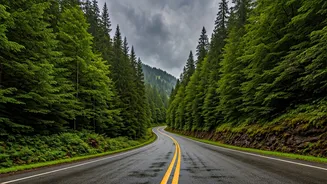
The newly inaugurated Delhi-Dehradun Expressway has dramatically cut the 210-kilometre journey to an astonishing 2.5 hours, a massive reduction from the previous 5 to 6 hours. This isn't just an incremental improvement; it's a fundamental change in how
travellers from the National Capital Region can approach the mountains. The access-controlled, six-lane highway, designed for speeds of up to 100 kmph, bypasses the congested towns and bottlenecks that once defined the trip. What was once a journey requiring a full day of leave is now a manageable drive, even after office hours on a Friday.
What Makes It So Fast?
The project's efficiency comes from smart engineering and a direct route. Starting from Akshardham in Delhi, the expressway charts a path through Uttar Pradesh towns like Baghpat, Shamli, and Saharanpur before entering Uttarakhand. A key feature is Asia's longest elevated wildlife corridor, a 12-kilometre stretch that lifts the highway over the Rajaji National Park. This not only protects wildlife by allowing animals like elephants to pass underneath safely but also ensures traffic flows without interruption through what was previously a sensitive and slow-moving zone. With over 100 underpasses for local traffic and a 340-metre tunnel near the Daat Kali temple, the route is engineered for uninterrupted, high-speed travel.
Recalculating Your Weekend Plans
The time saved fundamentally alters the very concept of a weekend trip. A spontaneous decision to escape the city smog for the crisp mountain air is now genuinely feasible. A 2.5-hour drive means you can leave Delhi after work on Friday and be in Dehradun for a late dinner, maximising your time at the destination. This enhanced connectivity is expected to significantly boost tourism, not just to Dehradun, but to the entire region. The ease of access makes frequent, shorter breaks a more attractive option than planning one long, logistically heavy holiday. The road itself, rather than being an obstacle, becomes a seamless part of the vacation experience.
Gateway to the Hills: Beyond Dehradun
The benefits of the new expressway extend far beyond Dehradun. The project serves as a high-speed gateway to other popular Uttarakhand destinations. A dedicated spur from the expressway provides a faster connection to Haridwar and Rishikesh, slashing travel times to these spiritual and adventure hubs. This also improves access to the Char Dham highway network, making pilgrimages more manageable for devotees. For leisure travellers, the hill station of Mussoorie is now a much quicker drive from Dehradun, making the entire Garhwal region more accessible for weekend explorers. The expressway effectively pulls the entire state closer to the capital.
The Cost-Benefit Analysis: Tolls and Time
Such convenience comes at a price. The one-way toll for a car is approximately ₹675, with a round trip within 24 hours costing around ₹1,010. While this may seem steep, the savings on fuel, time, and vehicle wear-and-tear from avoiding a congested, six-hour drive present a compelling counter-argument. The faster, more efficient journey also means less driver fatigue. For many, the ability to reclaim half a day of travel time and spend it relaxing in the hills is a trade-off well worth the cost, turning the expense from a simple toll into an investment in a better travel experience.