






What Exactly Has Changed?
The Ministry of Road Transport and Highways (MoRTH) has introduced the Central Motor Vehicles (Sixteenth Amendment) Rules, 2026, which significantly alter the validity period of PUC certificates. Previously, the validity was mainly based on the vehicle's
emission standard, such as BS-IV or BS-VI, with most newer vehicles requiring an annual check. The new system is more nuanced, factoring in the vehicle’s age from its first registration date and whether it is a private (non-transport) or commercial (transport) vehicle. This change creates a tiered structure where newer vehicles benefit from much longer validity periods, while older ones require more frequent checks to monitor their environmental impact. The new rules apply to existing certificates only upon their first renewal after the notification came into effect.
New Validity for Private Vehicles
For owners of private cars and two-wheelers compliant with BS-VI norms, the changes are substantial. If your vehicle is up to six years old, you will only need to get a PUC check once every three years. This is a significant extension from the previous annual requirement. For private BS-VI vehicles that are more than six years old but not older than ten, the validity period remains one year. Once a private vehicle crosses the 10-year mark, it will require a PUC check every six months to ensure it continues to meet emission standards. This tiered system means less frequent expenses and fewer trips to the testing centre for owners of newer cars.
Revised Schedule for Commercial Vehicles
The rules have also been updated for transport vehicles like taxis, buses, and trucks that are BS-VI compliant. For commercial vehicles up to six years old, the PUC certificate validity has been extended to two years. For those aged between six and ten years, the requirement is an annual renewal, which is consistent with the previous rules for this age bracket. Commercial vehicles older than ten years must undergo testing every six months. This structure acknowledges the heavier usage and wear-and-tear on commercial vehicles while still providing some relief for operators of newer fleets.
Rules for Older Emission Standards
The amendment also standardises the rules for vehicles with older emission norms across the country. For all vehicles complying with BS-IV standards, the PUC certificate will now be valid for six months, regardless of age or type. This brings uniformity to a rule that was already enforced in some states but not others. For even older vehicles that meet BS-I, BS-II, and BS-III norms, the validity is now set at a standard three months nationwide. This stricter requirement aims to ensure that older, more polluting vehicles are monitored more closely.
Penalties and Digital Enforcement
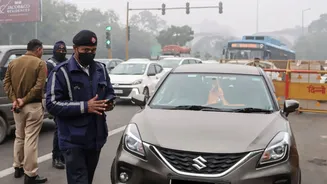
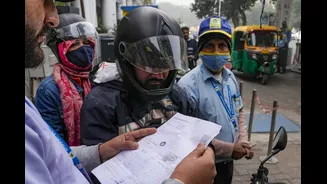
While the new rules may reduce the frequency of checks for many, the penalties for non-compliance remain strict. Driving without a valid PUC certificate is a violation of the Motor Vehicles Act and can attract hefty fines, potentially up to ₹10,000, and in some cases, even imprisonment or suspension of your driving license. With digital integration, enforcement has become much more stringent. PUC status is linked to the central VAHAN database, allowing authorities to verify compliance digitally during roadside checks or even through automated systems. Therefore, keeping track of your new renewal date is more important than ever.