





The Spark: A Prime Ministerial Visit
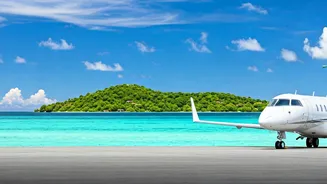
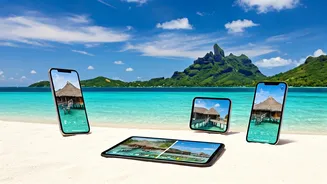
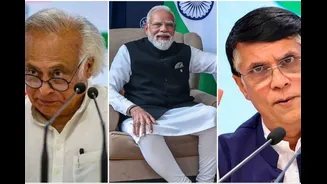
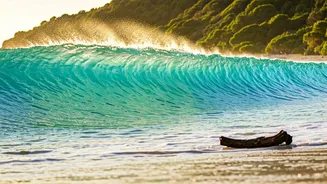
The story begins in early January 2024. Indian Prime Minister Narendra Modi visited the union territory of Lakshadweep, sharing stunning images of its pristine beaches and promoting it as a must-visit destination for adventurers and tourists. The posts
were intended to boost domestic tourism, highlighting the archipelago's potential as a tranquil alternative to international hotspots. For a moment, it was a simple, effective tourism campaign showcasing India's own island treasures.
From Tourism to Tumult: The Derogatory Remarks
The narrative took a sharp turn when several junior ministers and officials in the Maldivian government responded to the PM's posts with derogatory and offensive comments on social media. They made disparaging comparisons between Lakshadweep and the Maldives and included personal attacks against the Prime Minister. These remarks were widely seen in India as disrespectful and dismissive, not just of a political leader but of the nation's efforts to promote its own destinations. The comments went viral almost instantly, sparking widespread anger and indignation across India.
A Digital Uprising: #BoycottMaldives
The backlash from the Indian public was swift and massive. Within hours, the hashtag #BoycottMaldives began trending on X (formerly Twitter) and other platforms. It wasn't just ordinary citizens expressing their anger; a wave of prominent Indian celebrities, from actors like Akshay Kumar and Salman Khan to cricketers like Sachin Tendulkar, joined the chorus. They condemned the remarks and simultaneously amplified the call to explore India's own islands with the hashtag #ExploreIndianIslands. This celebrity endorsement turned a public sentiment into a full-blown national movement, dominating digital conversations.
The Travel Industry Responds
The online movement quickly translated into offline action. EaseMyTrip, a major Indian online travel company, made a significant move by suspending all flight and hotel bookings to the Maldives on its platform. They announced it as a decision taken in solidarity with the nation. Reports followed of a surge in trip cancellations by Indian tourists, who constitute one of the largest groups of visitors to the Maldives. Simultaneously, online searches for Lakshadweep and another Indian archipelago, the Andaman and Nicobar Islands, skyrocketed. The economic leverage of the Indian tourist was suddenly, and very publicly, on display.
Diplomatic Damage Control and Fallout
Faced with a diplomatic crisis and a looming economic threat—tourism is the lifeblood of the Maldivian economy—the Maldivian government moved to contain the damage. It distanced itself from the officials' remarks, stating that they were personal opinions and did not reflect the government's views. The three ministers responsible for the offensive posts were subsequently suspended. However, the incident has laid bare the fragile diplomatic ties between the two nations, especially following the election of a new Maldivian government perceived as being more aligned with China. The Indian High Commissioner was summoned in Malé, and vice-versa in New Delhi, underscoring the seriousness of the fallout.