




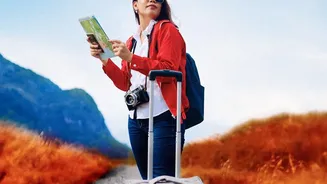
The urge to see everything on a trip is familiar. But what if the best experiences are found by slowing down? Trading a vehicle for your own two feet offers a profoundly different way to travel, turning a holiday into an adventure.
The Allure of the Open Road
Let's be clear: there's
a reason vehicle-based tours are popular. They are efficient, covering vast distances and ticking off major landmarks in a limited time. For travellers with only a week to see a country or those with mobility challenges, a car, bus, or train offers an invaluable gateway to the world's wonders. You can see the Eiffel Tower, the Colosseum, and the Swiss Alps in one whirlwind trip. This approach is about breadth, collecting a collage of iconic moments and sights. It’s a perfectly valid way to travel, but it is fundamentally about observing a place, often through a window.
The Pace of True Discovery
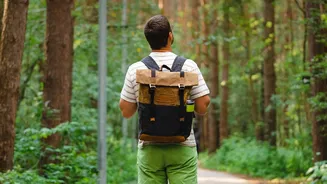
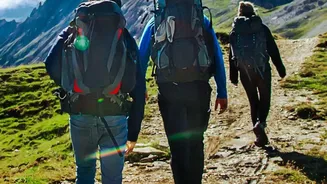
A walking holiday operates on an entirely different philosophy. It champions depth over breadth. When you travel on foot, you are no longer just a spectator; you become part of the landscape. The world is not a blur outside a window but a series of intricate details: the scent of wild herbs on a coastal path, the texture of an ancient stone wall, the sound of a distant church bell. This 'slow travel' approach encourages you to notice the small wonders that are invisible at 60 kilometres per hour. It's the difference between seeing a picture of a village and actually being in it, feeling the cobblestones under your feet and hearing the murmur of local life.
A Deeper Connection to Place
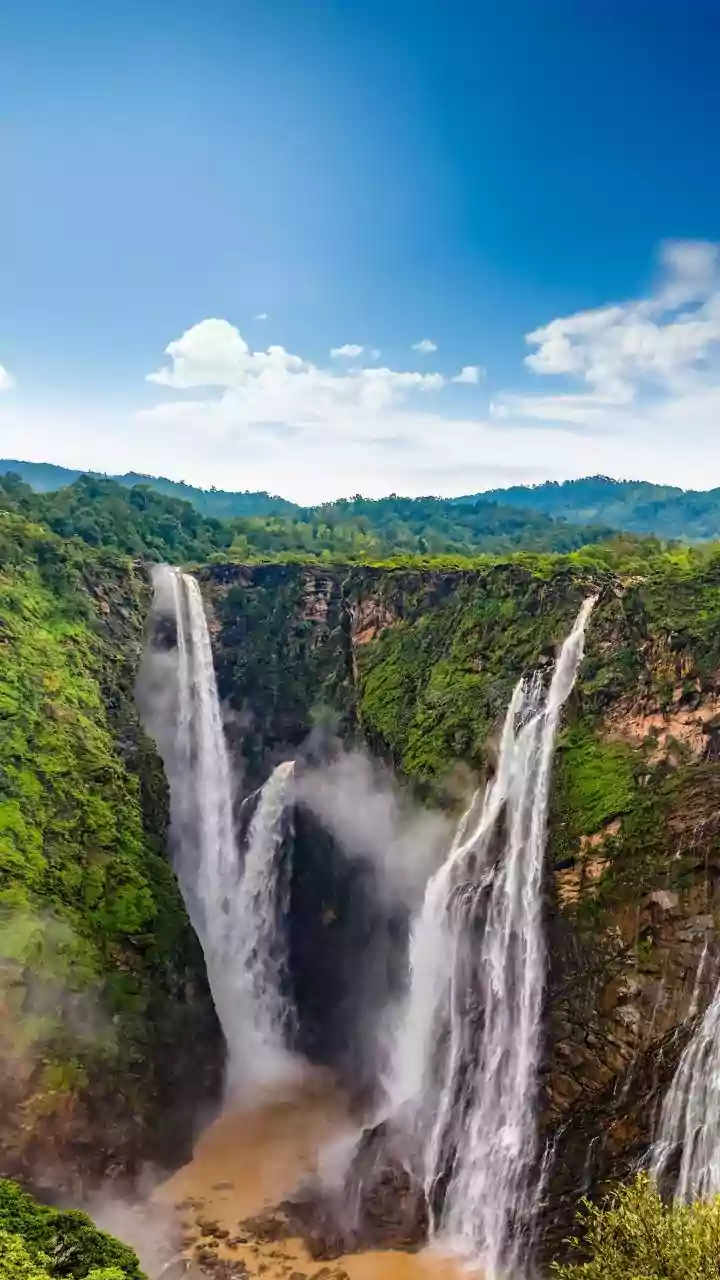
One of the most rewarding aspects of walking is the genuine connection it fosters with both the place and its people. While vehicle tours often stick to well-trodden tourist routes, footpaths can lead you to hidden gems: a secluded waterfall, a family-run tavern, or a viewpoint that isn't in any guidebook. These journeys facilitate spontaneous encounters. You might share a greeting with a local farmer, buy produce from a small market, or get directions from someone who ends up sharing a story. This kind of immersive travel allows for a much more authentic cultural exchange than is possible when you're part of a large, fast-moving group.
Wellness for Body and Mind
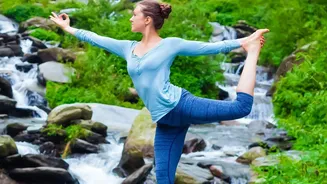
The health benefits of a walking holiday are significant and well-documented. Physically, regular walking improves cardiovascular fitness, builds stamina, and helps manage weight, all while being a low-impact exercise suitable for many fitness levels. But the mental benefits are just as profound. The simple, repetitive rhythm of walking has a meditative effect, helping to reduce stress and clear the mind. Spending days outdoors, surrounded by nature, has been shown to boost mood, improve sleep quality, and release endorphins, our natural 'feel-good' chemicals. You return home not just rested, but genuinely rejuvenated.
A Lighter Footprint on the Planet
In an era of increasing environmental awareness, the impact of our travel choices matters. Walking is, by its very nature, an eco-friendly way to explore. It produces no carbon emissions and leaves a much smaller ecological footprint than transport-heavy holidays. While all tourism has an impact through accommodation and consumption, choosing to walk minimizes the strain caused by vehicle emissions and the infrastructure required to support them, such as large roads and car parks that can disrupt fragile ecosystems. By travelling slowly and staying in one region, you contribute to a more sustainable form of tourism.