
The Enduring Appeal of '70s Hair
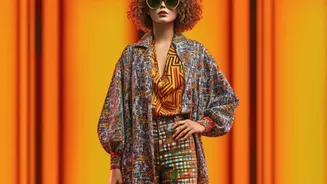
More than just a trend, 70s hair was a statement. Moving away from the rigid styles of previous decades, the 1970s embraced freedom, individuality, and natural textures. This resulted in an explosion of creativity, from the rebellious, choppy layers of the shag
to the glamorous, feathery flips that defined an era. Today, these styles are returning because they offer something for everyone. They celebrate volume, movement, and personality, allowing for modern interpretations that work across different hair types and lengths, from short and chic to long and flowing.
For Short Hair: The Shag and The Pageboy
Short hair in the 70s was anything but boring. The quintessential short style was the Shag, a unisex cut worn by rockstars and movie icons alike. Defined by its choppy, uneven layers that are shorter on top and longer towards the bottom, the shag creates incredible texture and volume. It's a supremely flattering cut that works well with natural waves and frames the face beautifully. Another popular short option was the Pageboy. This style features straight hair hanging below the ear, where it turns under, often paired with a fringe. The 70s version was softer and more relaxed than its predecessors, offering a chic, low-maintenance look.
For Medium Lengths: The Famous Feathered Flip
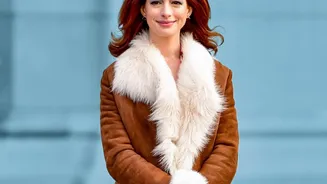
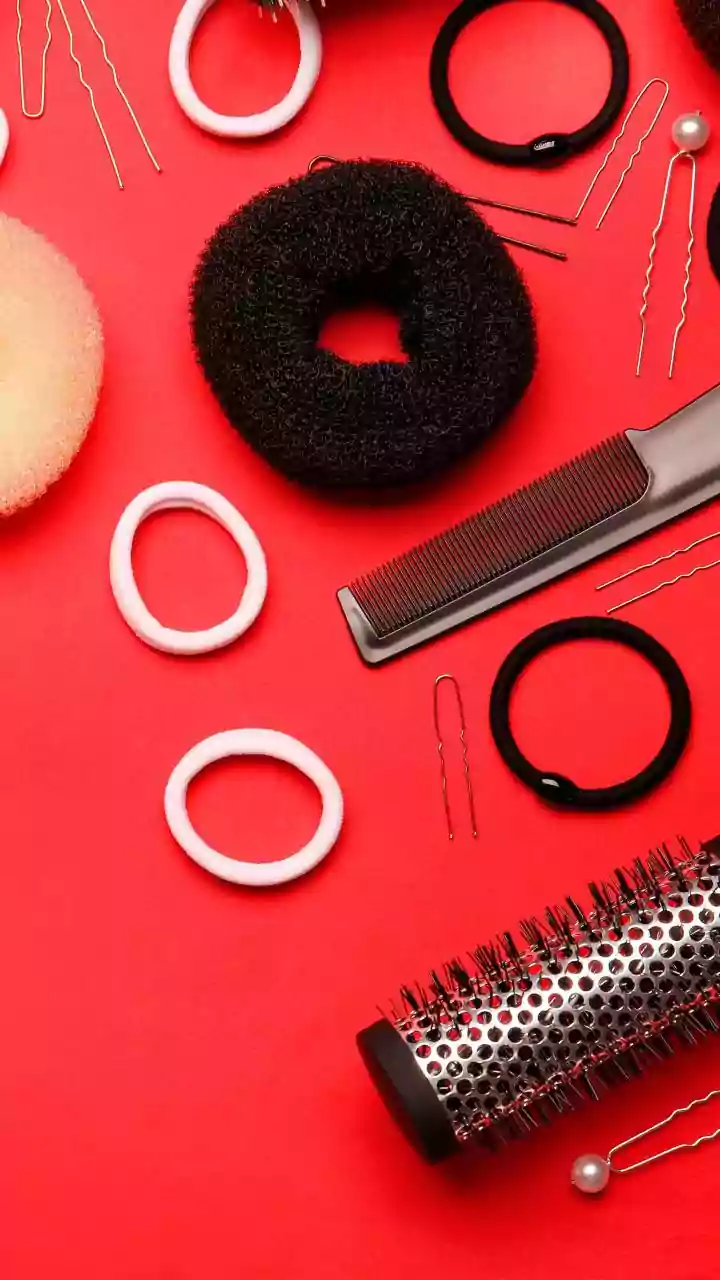
When you think of 70s hair, chances are you picture Farrah Fawcett. Her iconic feathered hairstyle, made famous during her time on 'Charlie's Angels,' defined the look for medium-to-long hair. This style is all about creating soft, bouncy volume with layers that are brushed back and away from the face, creating a wing-like effect. Known as the 'Fawcett Flip,' this look provides symmetry and frames the face with thick, airy waves. It’s a glamorous style that requires some effort with a round brush or hot rollers but delivers a timeless, head-turning result. Variations with curtain bangs, as seen on stars like Olivia Newton-John, also became hugely popular.
For Long Hair: Sleek, Straight, and Natural
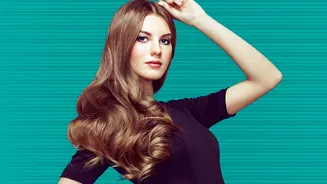
While layers and volume were everywhere, there was a powerful counter-trend: long, pin-straight hair. Championed by the icon Cher, this style was sleek, simple, and effortlessly cool. Often parted in the dead center with blunt ends, 'Cher Hair' was a statement in its own right, exuding a bohemian and elegant charm. This look was about celebrating natural, healthy-looking hair with a high-shine finish. Alongside the super-straight style, long, natural waves with a center part and soft, brow-skimming bangs were also a staple, embodying the era's free-spirited, hippie-inspired aesthetic.
The Afro: A Cultural Statement
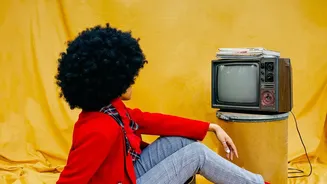
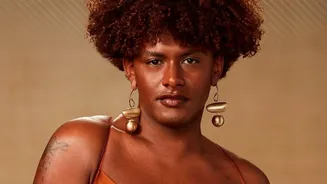
More than just a hairstyle, the Afro was a powerful symbol of Black pride and the 'Black is Beautiful' movement. This style celebrated the beauty of natural hair textures, moving away from chemically straightened looks. Characterized by its rounded, voluminous shape, the Afro was worn in various sizes and styles, from tightly coiled to a larger, more sculpted silhouette. It was a bold and unapologetic statement of identity and empowerment that became one of the most defining and influential looks of the decade. Intricate braids and cornrows also re-emerged as a popular way to celebrate African heritage.