


A Craving for Comfort, Redefined
For generations, Indian snacks have been synonymous with deep-frying, generous amounts of ghee, and refined flours. They are the heart of festive celebrations, the perfect companion to afternoon tea, and a source of deep-seated comfort. Yet, a significant
shift is underway. Driven by growing health consciousness and a desire for balance, home cooks are reimagining these timeless recipes. This isn't about deprivation or replacing traditional foods; it's about evolution. The goal is to retain the flavour and emotional connection of a favourite snack while making it more suitable for a modern, often more sedentary, lifestyle. It’s a movement that proves healthier cooking isn't about restriction, but about smart innovation.
From Deep-Frying to Air-Frying
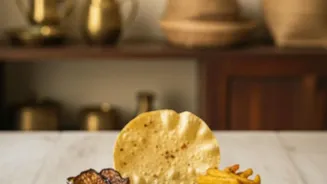
Perhaps the biggest enabler of this trend is technology. The widespread adoption of air fryers and ovens has empowered home cooks to achieve that satisfying crunch with a fraction of the oil. Snacks that were once exclusively deep-fried are now being successfully baked or air-fried. Think of samosas brushed with a hint of oil and baked to a golden brown, or crispy onion pakoras emerging from an air fryer. Kurkuri bhindi (crispy okra) can now be made with minimal oil, offering the same addictive texture as its fried counterpart. Even complex items like gujiya, a festive pastry, are being adapted for the air fryer, reducing oil without compromising the flaky texture. This technological shift makes it easier than ever to enjoy snacks like aloo tikki or mathri on a regular Tuesday, not just a special occasion.
The Great Ingredient Swap
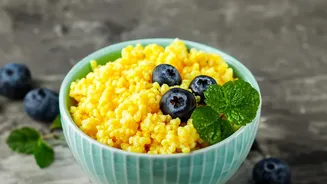
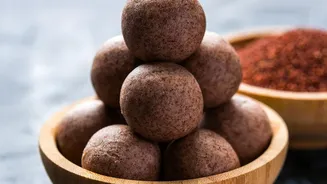
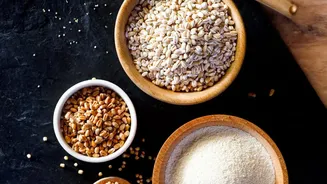
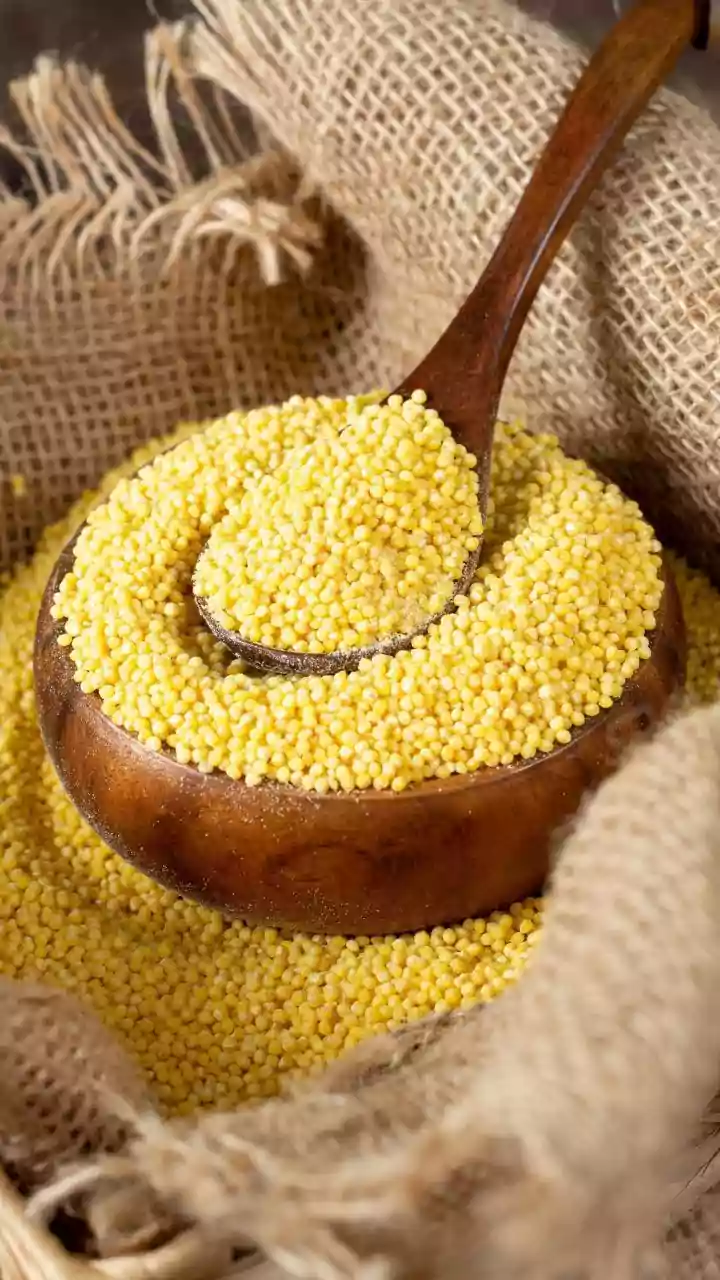
Beyond the cooking method, the very building blocks of snacks are being upgraded. Refined flour (maida) is frequently being replaced with more nutritious alternatives. Whole wheat flour (atta) is now a common base for baked mathris and papdis. Even more popular is the resurgence of millets like ragi, jowar, and bajra. These ancient grains are finding their way into everything from ragi murukku and baked chakli to jowar empanadas. Millets not only add fibre and nutrients but also introduce new, earthy flavours and textures. Similarly, refined sugar is often swapped for jaggery or dates, and heavy cream-based sauces are lightened with yoghurt, providing richness without the heaviness.
Old Snacks, New Tricks
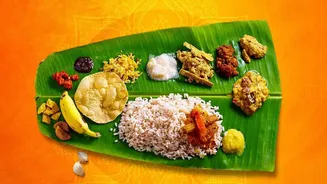
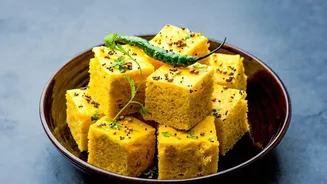
Applying these new rules results in a wonderful array of reinvented classics. Aloo tikki can be baked instead of fried. Dhokla, a steamed snack from Gujarat, remains a healthy favourite, often made with a mix of flours for added nutrition. Moong dal chilla, a savoury lentil pancake, can be stuffed with paneer and vegetables for a protein-packed bite. South Indian staples like idli and dosa, already quite healthy due to fermentation, are being made with brown rice or quinoa for extra fibre. Even cookies like nankhatai are getting a makeover with whole wheat and millet flours. These simple swaps prove that the soul of a snack lies in its spices and core concept, not necessarily in the amount of fat or refined flour it contains.